

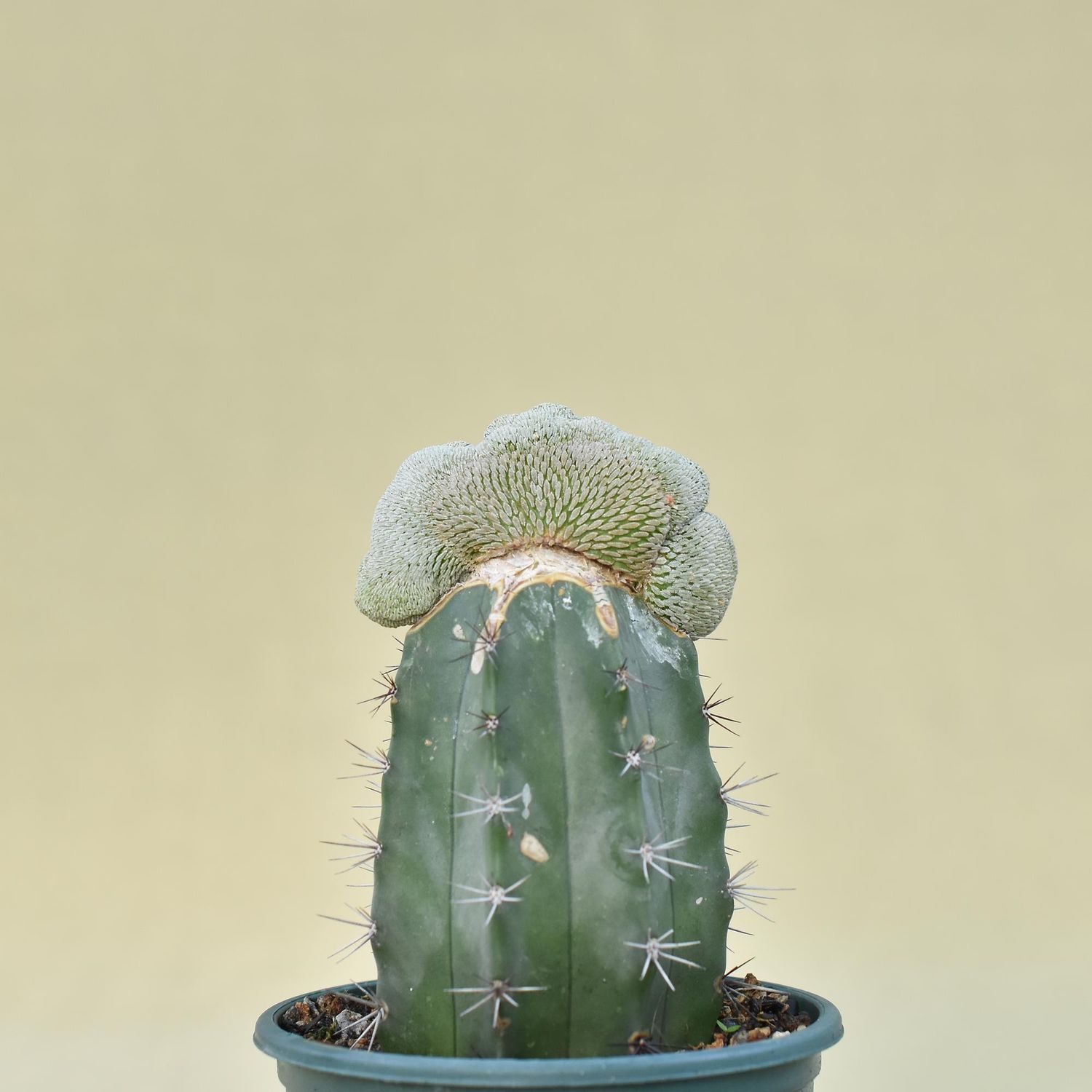
Pelecyphora aselliformis crest
Product Details
The Living Fossil: Pelecyphora aselliformis f. cristata
Own a sculptural masterpiece of botanical evolution, prized for its rare prehistoric geometry and slow-growing elegance.
- Origin & History of Name: The genus name Pelecyphora is derived from the Greek words pelekys (hatchet) and phoros (bearing), referring to the axe-like shape of the tubercles.
- Morphology: This specimen exhibits a distinct cristate growth habit, forming undulating, brain-like folds. The epidermis is grayish-green and covered in pectinate (comb-like) spines that are fused into scales.
- Habitat & Origin: The base species is a wild native of San Luis Potosí, Mexico, where it grows in limestone soil.
- Cultivation Profile:
- Substrate: A strictly mineral-based mix is required. Use 70% inorganic grit (crushed brick, pumice, or perlite) and 30% organic matter to prevent root rot.
- Light: High-intensity indirect light. In the Indian subcontinent, provide 40-50% green shade net protection during the extreme heat of May and June to avoid scorching the epidermis.
- Water/Dormancy: Follow a "soak and dry" method during the growing season (March–September). During the Indian monsoon and winter, maintain strict dormancy by withholding water almost entirely to prevent fungal pathogens in high humidity.
- Scientific/Historical Anecdote: Pelecyphora aselliformis is often referred to as a "Pseudo-Peyote." Historically, it was used by the indigenous Chichimeca people of Mexico for medicinal and ceremonial purposes. It contains various alkaloids, including pellotine, though in much lower concentrations than true Peyote (Lophophora), leading early botanists to mistake the two genera despite their vastly different spine structures.
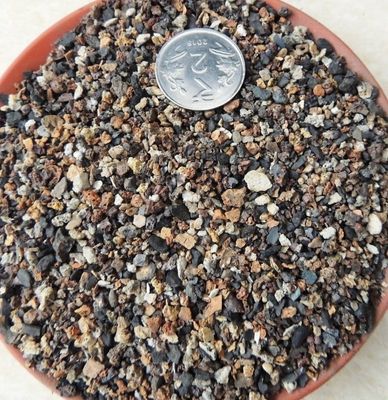
Cactus & Succulent Planting Mix FINE (aka Cactus Soil Mix or Succulent Soil Mix)
Cactus & Succulent Planting Mix FINE (aka Cactus Soil Mix or Succulent Soil Mix)
Fine-Grain Potting Mix for Cactus & Succulent Roots
SKU MNS001
₹35.51
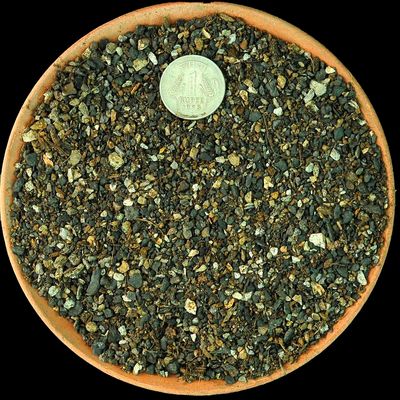
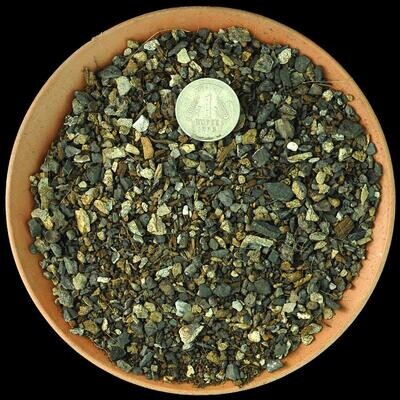
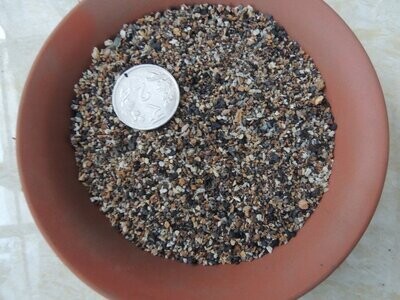
Cactus Seed Planting Mix
Cactus Seed Planting Mix
Sterile, Fine-Grain Media for Cactus & Succulent Seeds
SKU MNS005
₹70.51