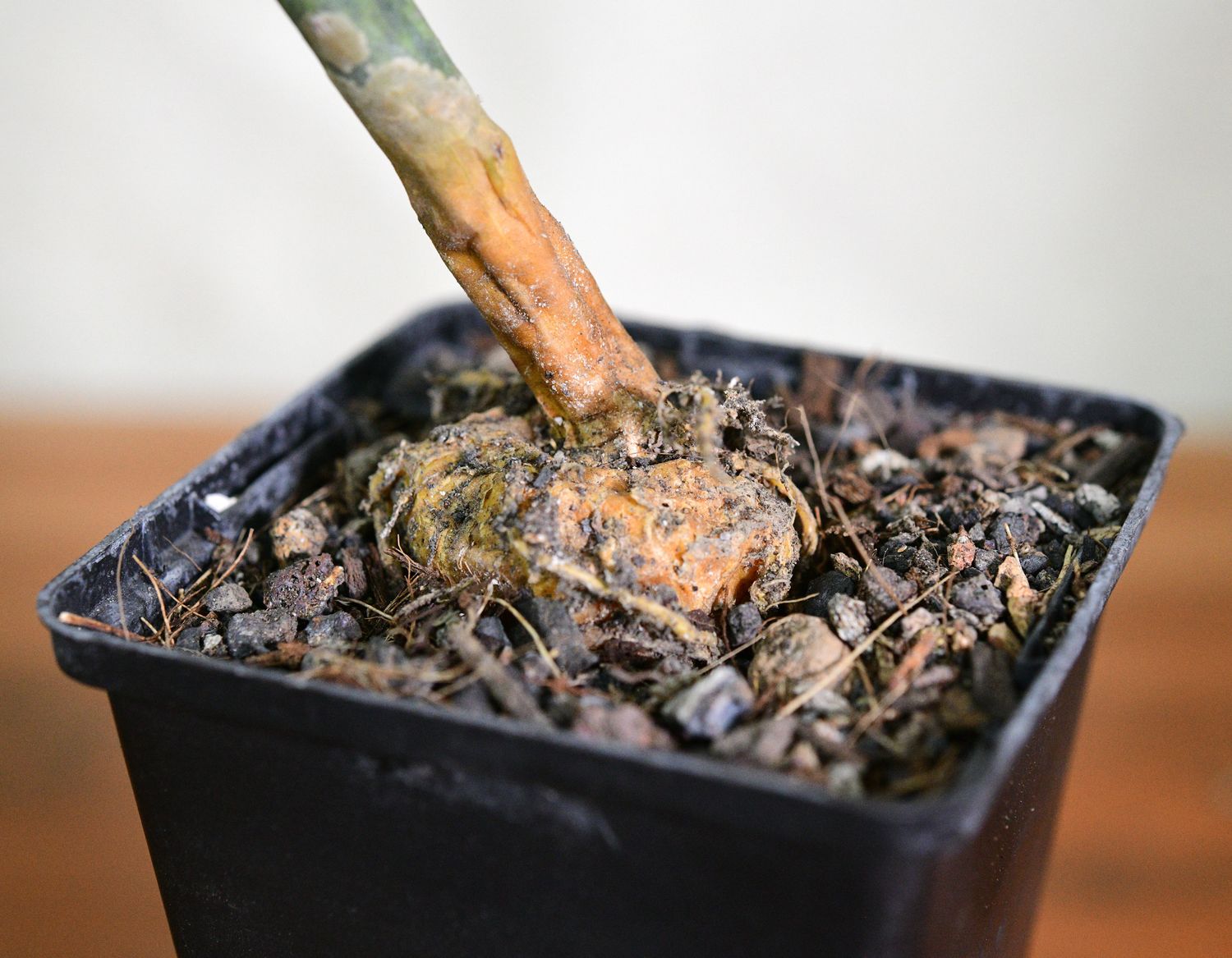
1. Origin of Name:
The genus name "Peniocereus" is derived from the Greek words "penios," meaning poverty, and "cereus," meaning wax or torch, reflecting the sparse, spindly nature of this cactus species, often hidden or unnoticed in its native habitat. The species name "maculatus" comes from Latin, meaning “spotted” or “blemished,” referring to the distinct spots found on the plant's stems. This combination of names highlights both the plant’s inconspicuous nature in the wild and its distinctive, ornamental appearance. Renowned botanists in the early 20th century documented and named the plant, bringing attention to its unique features and the diversity within the cactus family.
2. Origin of Plant:
Peniocereus maculatus is native to the arid, rocky regions of Mexico, specifically thriving in the deserts and thorn scrub habitats of the states like Sonora and Chihuahua. Discovered by early explorers and botanists intrigued by Mexico’s diverse cactus flora, it was first described in botanical literature in the early 1900s. The plant’s ability to blend into its background and then produce striking flowers has made it a subject of interest and admiration among cactus enthusiasts and collectors.
3. Description:
This intriguing cactus features slender, elongated stems that can reach lengths of up to 6 feet, bearing a distinctive pattern of white and dark spots that contribute to its name "maculatus." The stems are thin and ribbed, often intertwining or climbing as they grow. During the blooming season, it surprises with large, fragrant, night-blooming white flowers, which contrast beautifully with its otherwise understated appearance. These flowers open spectacularly in the evening, exuding a sweet fragrance that attracts nocturnal pollinators. Its combination of unique stem patterns and unexpected floral displays makes it a highly ornamental and fascinating specimen for any desert or cactus garden.
4. Conservation Status:
Currently, Peniocereus maculatus is not considered endangered but faces threats from habitat loss due to land development and agricultural expansion. Conservation efforts focus on habitat protection and raising awareness of its ecological role in desert environments. Cultivation in botanical gardens and private collections further supports sustainable practices and reduces pressure on wild populations.
5. Care:
To keep your Peniocereus maculatus thriving, consider these care tips:
- Watering: Water infrequently, allowing the soil to dry out completely between waterings. This plant is drought-tolerant and prefers arid conditions.
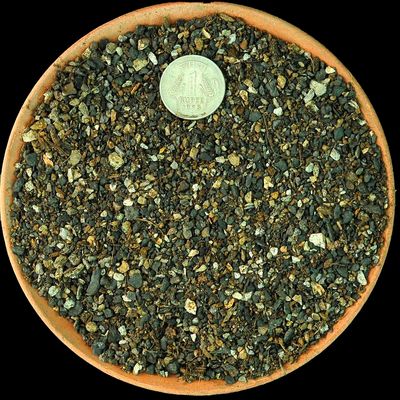
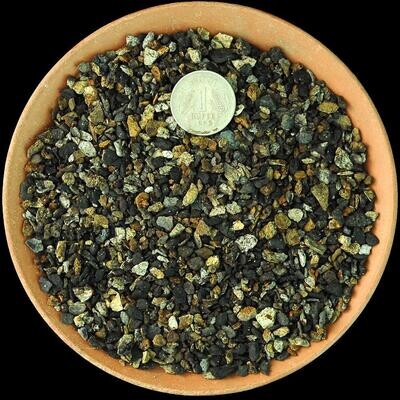
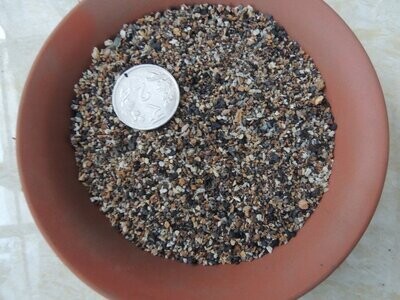
- Soil: Use a well-draining cactus or succulent mix with added sand or gravel to mimic its natural desert habitat.
- Light: Prefers bright, indirect light to full sun. It benefits from a sunny, sheltered spot that receives ample natural light.
- Temperature: Ideal in warm climates with temperatures ranging from 65°F to 85°F (18°C - 29°C). Protect from extreme cold and frost.
- Tips: Fertilize sparingly during the growing season with a cactus fertilizer diluted to half strength. Minimal pruning is required, but support may be needed for longer stems.
Interesting Anecdote:
Among desert natives, Peniocereus species are sometimes referred to as "desert orchids" due to their rare and beautiful blooms that can appear unexpectedly after years of growth, often likened to hidden treasures. In fact, local legends tell of travelers who would pass by these unassuming plants, unaware of the nighttime floral spectacle awaiting just a few hours after sunset. This intriguing growth habit makes Peniocereus maculatus a delightful and surprising addition to any collection, offering a glimpse into the mysterious beauty and adaptability of desert life.