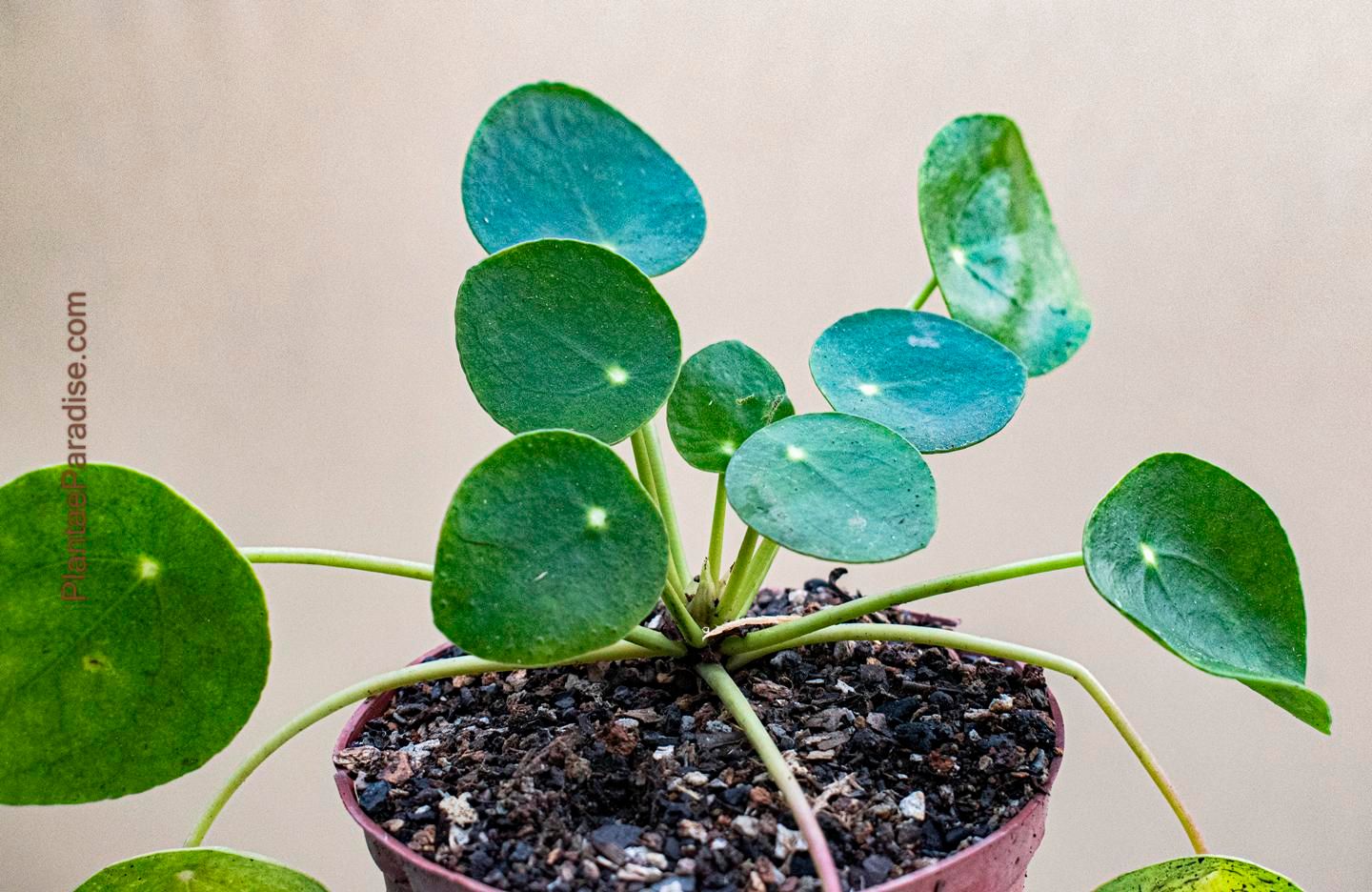
Pilea Peperomioides — The Chinese Money Plant
1. Origin of Name:
The name Pilea derives from the Greek word "pilos," meaning hair, referring to the soft, fuzzy texture of the plant’s stems and leaves. Peperomioides indicates its resemblance to plants in the Peperomia genus, although it is a distinct species. Commonly called the Chinese Money Plant, its nickname stems from the round, coin-shaped leaves that resemble Chinese currency, symbolizing prosperity and good luck. The plant’s popular name and easy, auspicious appearance have made it a beloved houseplant across the globe, especially in East Asia, where it is considered a symbol of wealth and fortune.
2. Origin of Plant:
Native to the Shaanxi province in central China, Pilea Peperomioides was first discovered during botanical explorations in the 20th century. It remained relatively unknown outside its native region until the 1980s, when plant enthusiasts in Scandinavia and North America embraced its compact, stylish form. It gained international fame in recent years as a “fashionable” houseplant, often dubbed the "Dutch Lamp," due to its popularity among Scandinavian interior designers and plant collectors. Its natural habitat is subtropical montane forests, but it thrives easily in indoor environments worldwide.
3. Description:
This charming, low-maintenance perennial features a rosette of round, coin-like leaves that sit atop slender, upright stems. Each leaf measures about 2-4 inches across, with a smooth, matte surface and a vibrant, lush green hue. Over time, the plant produces offshoots or “pups” from the base, allowing for easy propagation—making it perfect for sharing with friends or expanding your collection. Its minimalist aesthetic makes it ideal for modern, stylish interiors, offering a fresh, botanical accent that symbolizes prosperity and positivity. The plant rarely flowers indoors, but when it does, tiny white star-shaped flowers appear on thin stalks.
4. Conservation Status:
The Chinese Money Plant is not threatened or endangered; it is extensively cultivated and propagated as a popular houseplant. Its widespread popularity has spurred sustainable propagation practices, ensuring that wild populations in China remain protected. Its status as a “cultivated treasure” highlights its thriving presence in the global plant community.
5. Care:
- Watering: Water moderately when the top inch of soil feels dry. Avoid overwatering to prevent root rot—less is more!
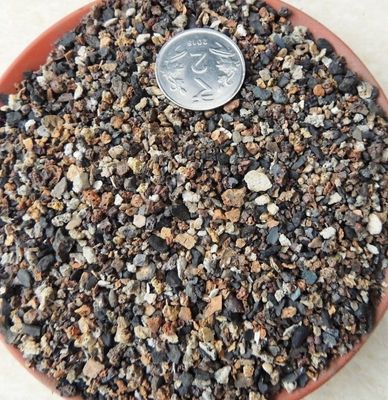
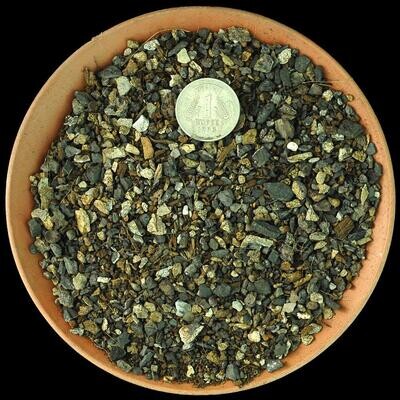
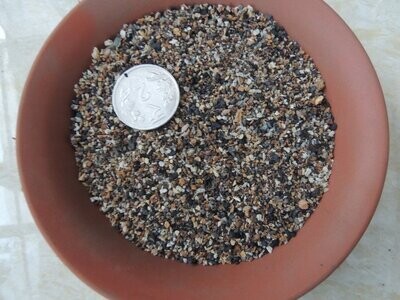
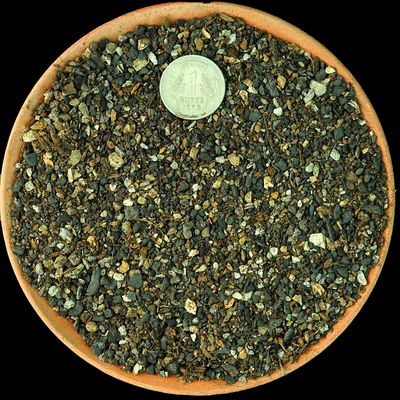
- Soil: Use a well-draining, houseplant potting mix with added perlite or sandy amendments for good aeration.
- Light: Prefers bright, indirect light—aim for at least 4 hours of filtered sunlight daily. Too much direct sun can scorch the leaves, while too little light reduces growth.
- Temperature: Ideal growth occurs between 65°F and 75°F (18°C to 24°C). Protect from cold drafts and avoid temperatures below 50°F (10°C).
- Additional Tips: Propagation is easy—simply separate the offshoot pups and plant them in their own pots! Fertilize monthly with a balanced liquid fertilizer during the growing season. It’s a perfect centerpiece or desk plant, bringing good fortune and lively greenery to any space.