Pilosocereus pachycladus - Blue Columnar Cactus
Product Details
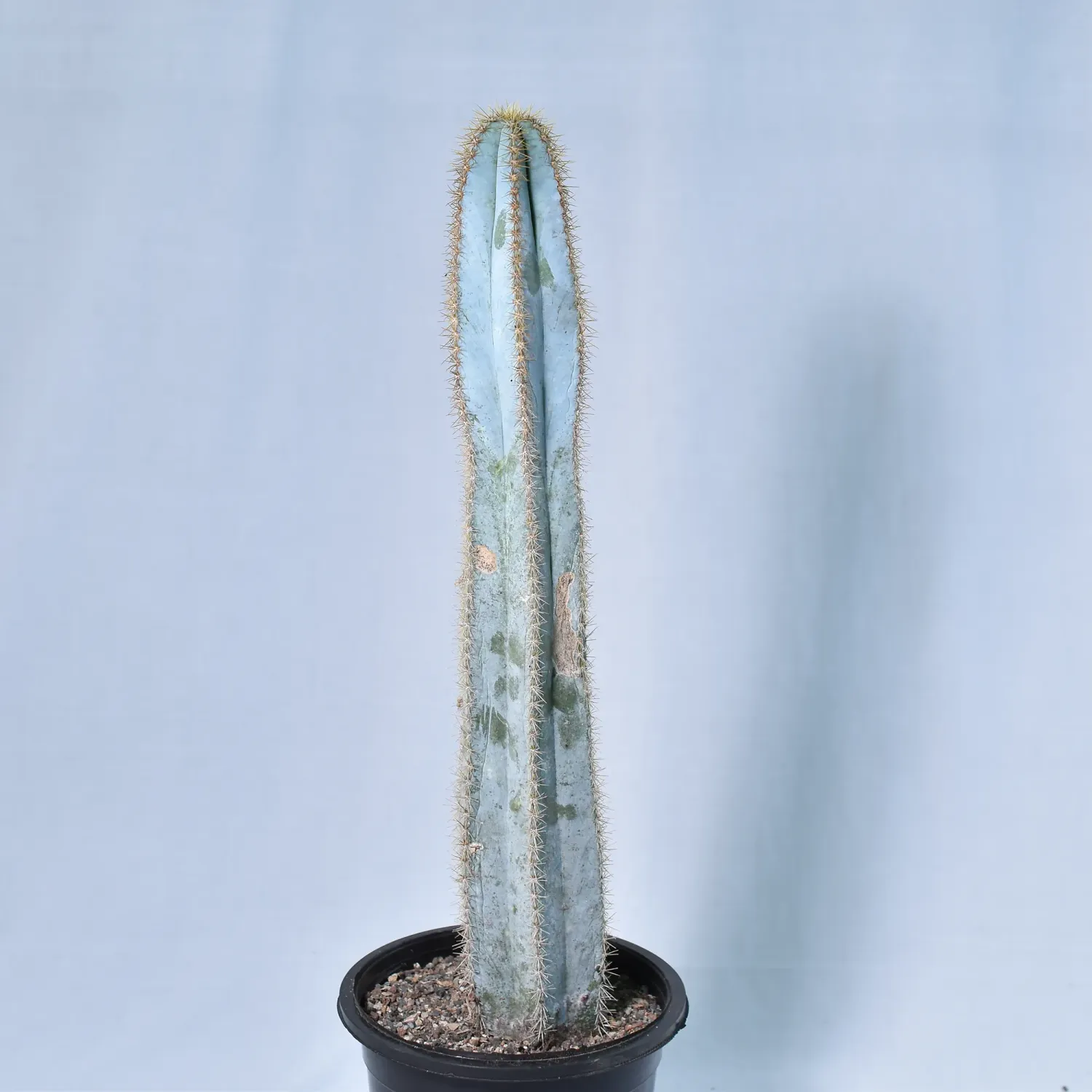
Azure Elegance: Pilosocereus pachycladus
A living masterpiece of desert blue, this architectural marvel brings rare, high-contrast color to any modern collection.
- Origin & History of Name: The genus name Pilosocereus is derived from the Latin pilosus (hairy) and the Greek kereos (wax candle), referring to the woolly "pseudocephalium" where flowers emerge.
- Morphology: This cactus is prized for its glaucous epidermis, which secretes a waxy blue "bloom" that acts as a natural sunscreen. Its vertical costae (ribs) are deeply notched and lined with woolly areoles and golden-brown spines. Over time, the plant develops a tall, treelike form, eventually producing nocturnal, bell-shaped flowers from specialized hairy patches.
- Habitat & Origin: This is a wild species native to the Caatinga scrublands of northeastern Brazil.
- Cultivation Profile:
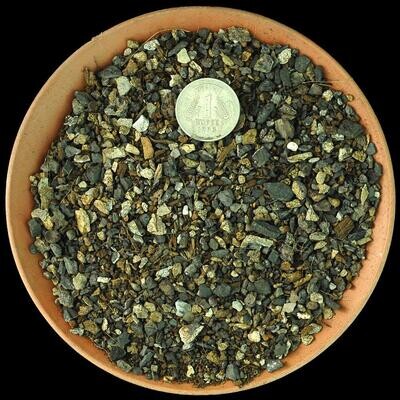
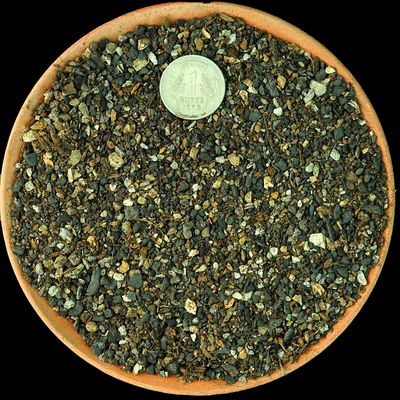
- Substrate: Use a strictly mineral-based mix (60% cinder or grit, 40% organic matter). In the Indian climate, avoid standard garden soil to prevent root rot.
- Light: Requires Full Sun. In extreme Indian summers (above 42°C), provide 20% shade cloth to prevent scorching, though high light is required to maintain the blue pigment.
- Water/Dormancy: Follow a "soak and dry" method. Drench thoroughly, then allow the pot to dry completely. During the monsoon and winter (dormancy), withhold water almost entirely to prevent fungal issues.
- Scientific/Historical Anecdote: The intense blue color of the Pilosocereus pachycladus is actually a biological adaptation for survival. The waxy coating not only reflects harsh UV radiation to keep the plant cool but also creates a hydrophobic surface that directs every drop of scarce rainfall toward the root zone, making it a master of self-hydration.
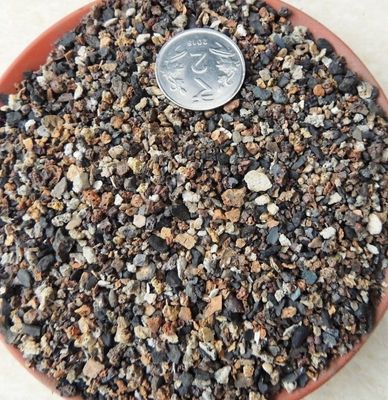
Cactus & Succulent Planting Mix FINE (aka Cactus Soil Mix or Succulent Soil Mix)
Cactus & Succulent Planting Mix FINE (aka Cactus Soil Mix or Succulent Soil Mix)
Fine-Grain Potting Mix for Cactus & Succulent Roots
SKU MNS001
₹33.74
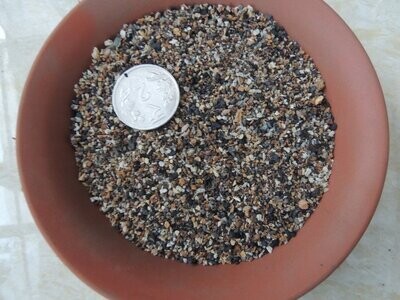
Cactus Seed Planting Mix
Cactus Seed Planting Mix
Sterile, Fine-Grain Media for Cactus & Succulent Seeds
SKU MNS005
₹66.35