

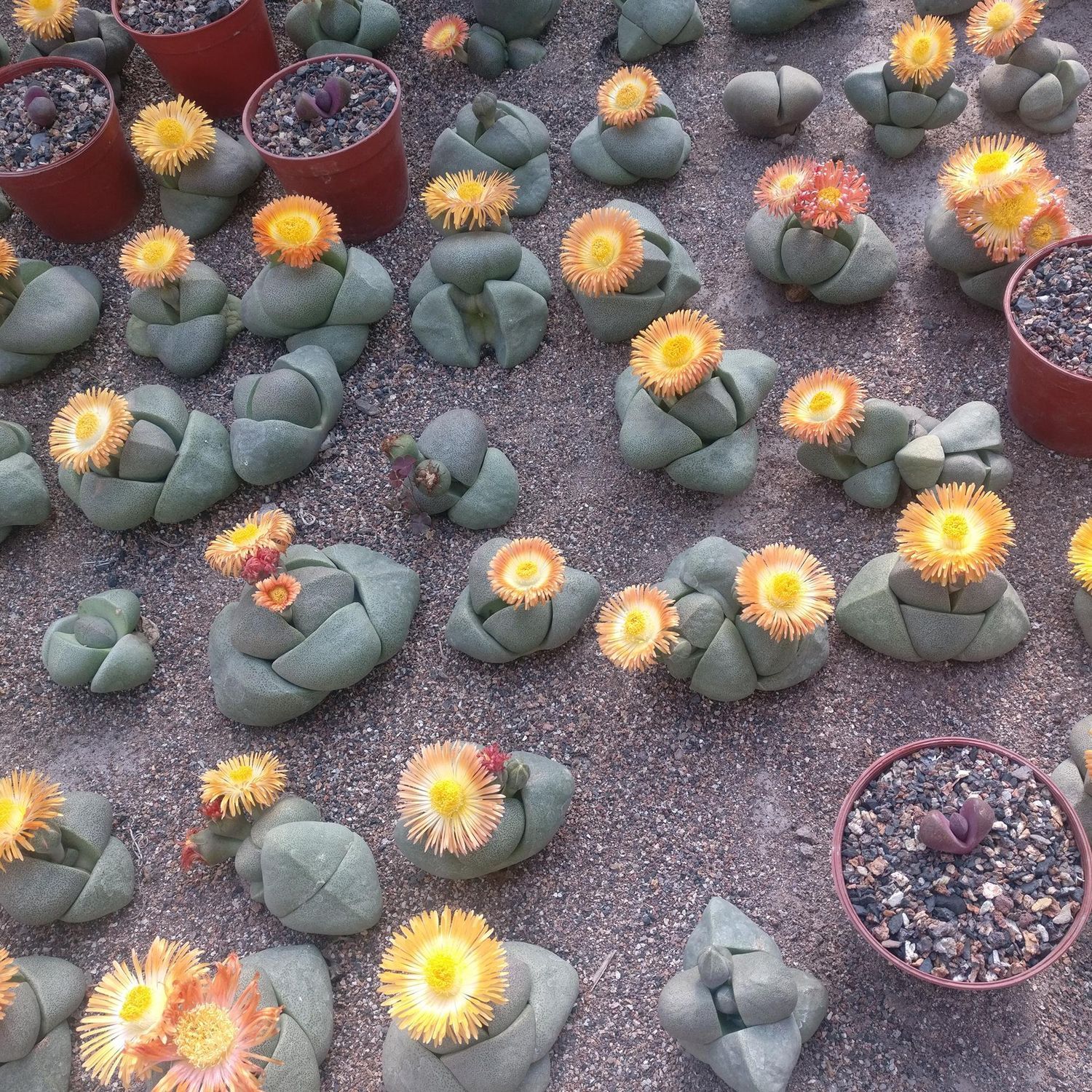
Pleiospilos nelii Split Rock
Product Details
Living Stone: Pleiospilos nelii
Add a touch of prehistoric wonder to your collection with this remarkable succulent mimic that perfectly imitates desert pebbles.
- Origin & History of Name: The genus name Pleiospilos is derived from the Greek words pleios (full) and spilos (dots), referring to the many dark dots scattered across the plant's surface. The specific epithet nelii honors Gert Cornelius Nel, a prominent 20th-century South African botanist and professor who specialized in succulent flora and authored the first monograph on the Lithops genus.
- Morphology: This succulent is composed of two to four hemispherical, fleshy leaves that grow in pairs, resembling a split stone.
The epidermis is a grey-green to brownish color and is covered in numerous tiny, sunken dark spots which are actually translucent windows that allow light to reach the internal photosynthetic tissue. Unlike many succulents, it lacks costae (ribs) and instead grows from a central meristem (growth point) where large, multi-petaled orange or yellow flowers emerge. - Habitat & Origin: This is a wild species native to the semi-arid Karoo region of South Africa. It grows tucked among broken shale and rocks to camouflage itself from herbivores. Our plants are ethically produced via nursery propagation, ensuring that wild populations remain undisturbed and sustainable.
- Cultivation Profile:
- Substrate: Use a high-drainage, mineral-based mix consisting of 80% inorganic material like pumice, lava rock, or coarse sand and 20% organic compost.
- Light: Requires full sun to very bright indirect light.
In the Indian subcontinent, protect from the harsh afternoon sun during peak summer (May–June) to avoid tissue burn. - Water/Dormancy: Follow a "soak and dry" method, watering only when the leaves feel slightly soft. In the Indian monsoon, maintain strict dryness to prevent rot. This species often undergoes a brief summer dormancy and a more pronounced winter rest.
- Scientific/Historical Anecdote: Pleiospilos nelii is a master of "crypsis" or protective mimicry. In its natural habitat, it is nearly impossible to distinguish from the surrounding rocks until it blooms.
Interestingly, while it looks similar to Lithops, it is much more robust; it can produce multiple pairs of leaves at once, whereas Lithops usually "recycles" the old pair to grow the new one.
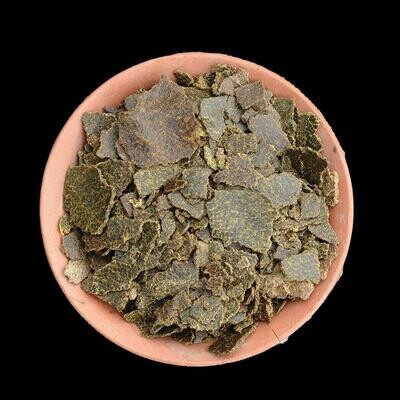
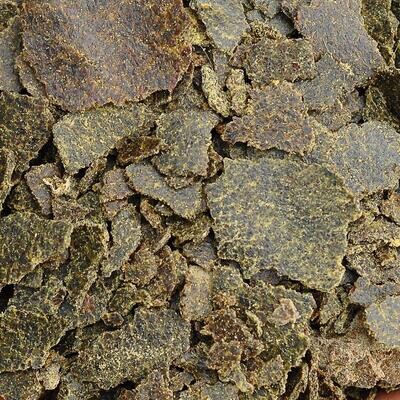
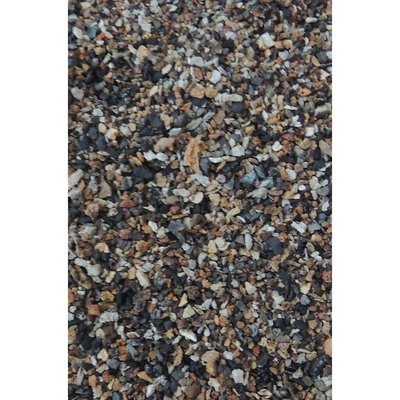
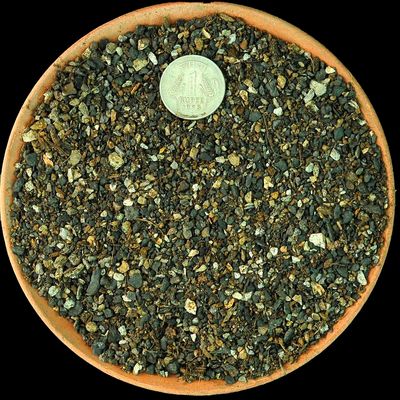
Cactus & Succulent Planting Mix FINE (aka Cactus Soil Mix or Succulent Soil Mix)
Cactus & Succulent Planting Mix FINE (aka Cactus Soil Mix or Succulent Soil Mix)
Fine-Grain Potting Mix for Cactus & Succulent Roots
SKU MNS001
₹39.85
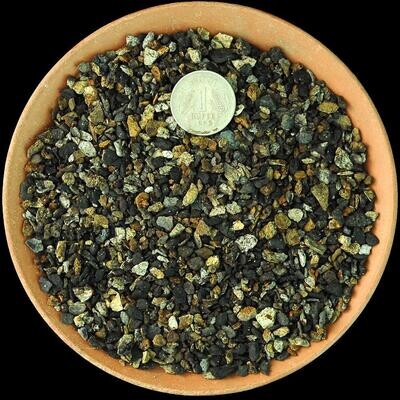
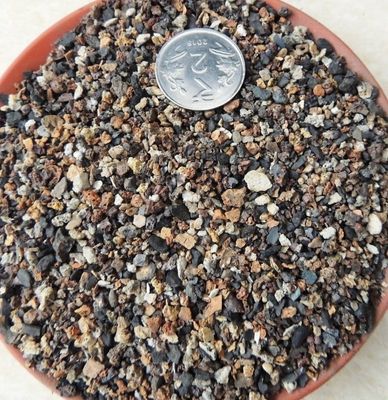
Cactus & Succulent Planting Mix COARSE (aka Cactus Soil Mix or Succulent Soil Mix)
Cactus & Succulent Planting Mix COARSE (aka Cactus Soil Mix or Succulent Soil Mix)
Washed, Free-Draining Mineral Mix for Cactus & Succulents
SKU MNS003
₹44.85