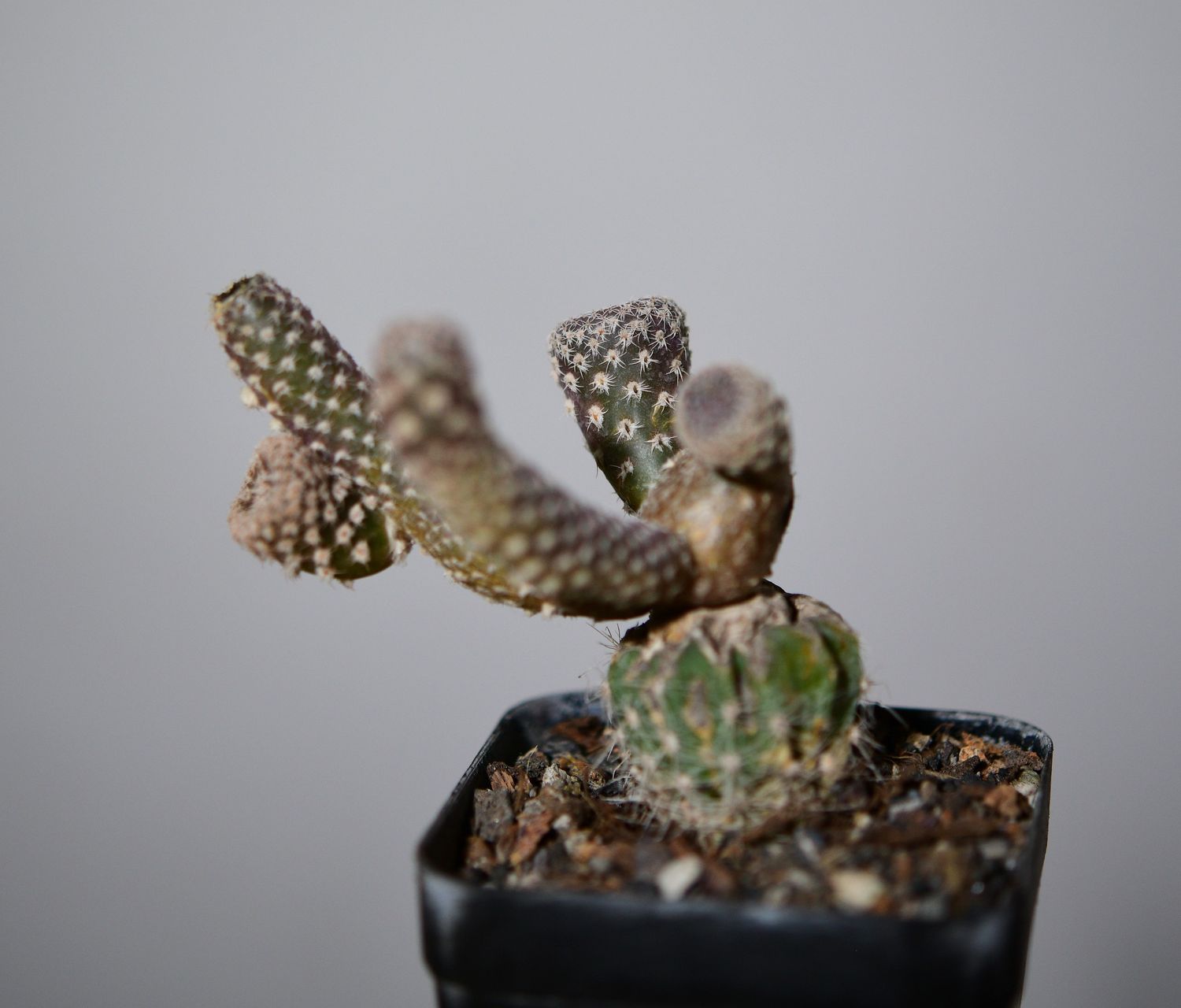
Living Sculpture: Puna clavarioides (Syn: Opuntia clavarioides) A rare, architectural geophyte coveted by collectors for its cryptic, finger-like segmentation and bizarre 'fungal' aesthetic.
1. Origin & History of Name The genus name Puna refers to the Puna de Atacama, the high-altitude Andean plateau where this group of cacti originates. The specific epithet clavarioides is derived from the Latin clava (club) and the suffix -oides (resembling), specifically noting its morphological similarity to the coral fungus genus Clavaria.
2. Morphology This species is distinct for its geophytic nature, possessing a large subterranean tuberous rootstock.
3. Habitat & Origin This is a wild species endemic to the high-altitude deserts of Mendoza and San Juan in Argentina.
4. Cultivation Profile
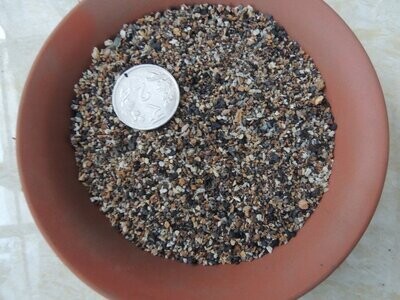
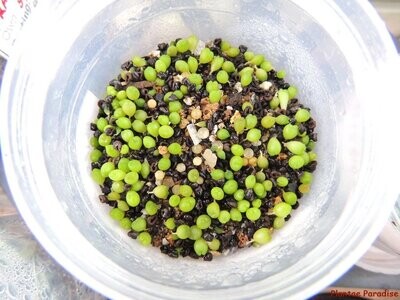
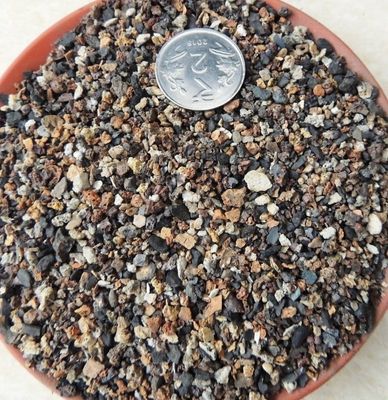
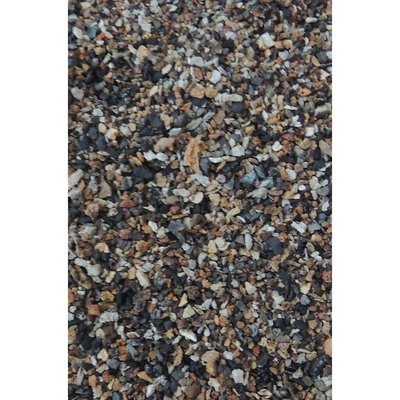
- Substrate: strictly mineral-heavy mix. Use 70% drainage material (pumice, perlite, or grit) and 30% quality cactus soil to mimic the Andean scree and prevent root rot.
- Light: Needs bright, indirect sunlight. In the Indian subcontinent, expose to full morning sun but provide filtration or 30% shade cloth during the harsh afternoon heat (1 PM – 4 PM) to prevent scorching the dark epidermis.
- Water/Dormancy: Water deeply but infrequently during the growing season (March–May, Sept–Oct), allowing the pot to dry completely. Crucial for India: Keep completely dry during the Monsoon season to prevent rot and withhold water entirely during the winter dormancy (December–February).
5. Scientific/Historical Anecdote Puna clavarioides is evolutionarily optimized for camouflage; in its native habitat, the plant shrinks into the ground during droughts, leaving only the flat tops of its stems visible. This makes them nearly indistinguishable from the surrounding rocks and soil, a survival mechanism known as crypsis that protects the moisture-rich tuber from grazing animals.