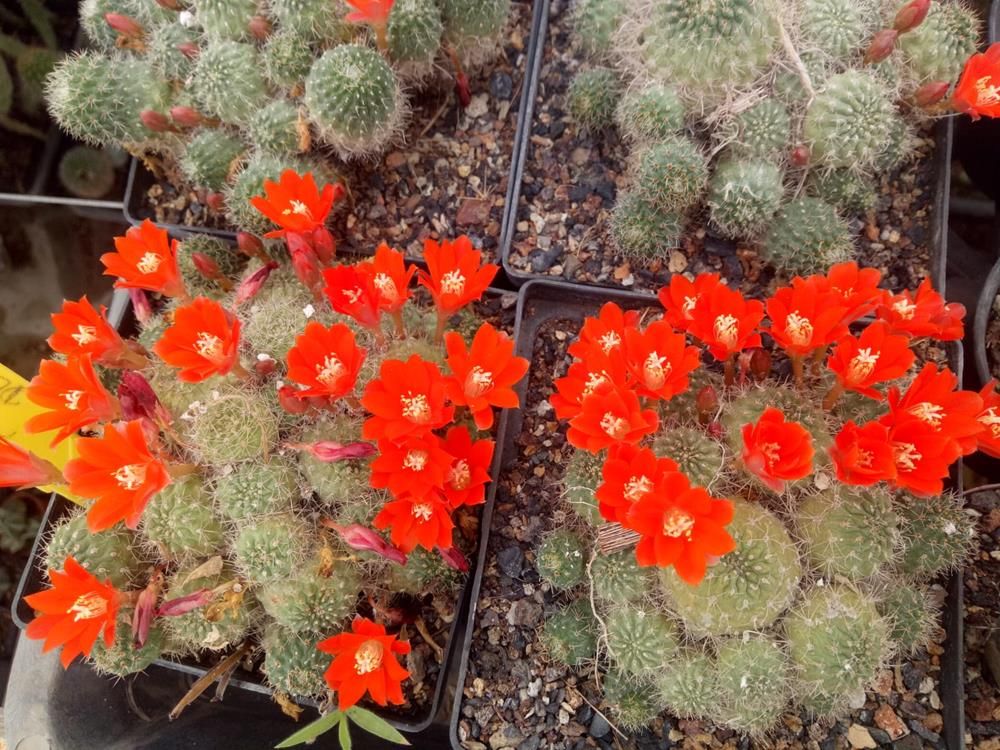
The Crimson Mound: Rebutia deminuta A prolific, clumping powerhouse that erupts with deep red-orange blooms, offering a high-impact floral display in a surprisingly compact footprint.
1. Origin & History of Name The genus name Rebutia honors Pierre Rebut (1827–1902), a French cactus nurseryman renowned for his contributions to succulent culture in the 19th century.
2. Morphology This species is characterized by its clustering habit, rapidly forming dense, textural mounds of small, globose to cylindrical stems. The epidermis is a deep, glossy green, organized into low, spiraled ribs (costae) rather than prominent ridges.
3. Habitat & Origin Rebutia deminuta is a wild species native to the high-altitude, subtropical regions of Northern Argentina, specifically the Tucumán province.
4. Cultivation Profile
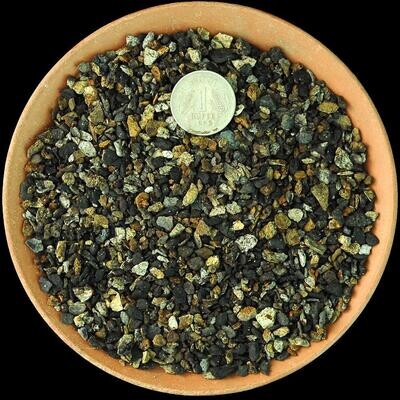
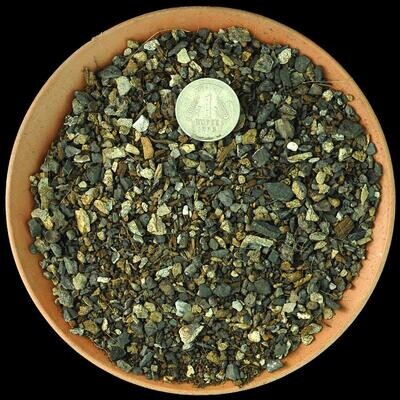
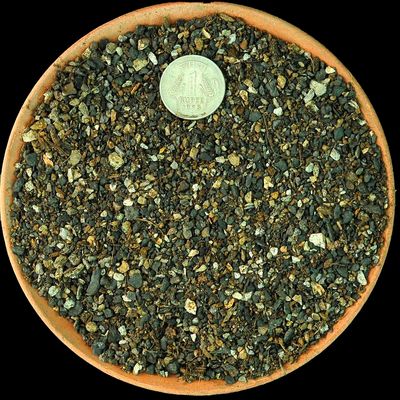
- Substrate: Requires a highly porous, mineral-rich mix to prevent root rot in humid Indian conditions. Use a blend of 70% drainage material (pumice, perlite, or crushed brick/grit) and only 30% organic cactus soil. strictly avoid heavy red garden soil or clay.
- Light: Thrives in bright, filtered light.
In the Indian subcontinent, provide full morning sun (until 11 AM) but protect from the harsh, direct afternoon sun during summer (April–June) to prevent scorching. A 50% shade net is ideal for outdoor summer placement. - Water & Dormancy: Water thoroughly when the substrate is completely dry during the active growth periods (Spring/Autumn).
Crucial for India: Keep almost completely dry during the heavy Monsoon season to prevent fungal rot caused by high humidity. Reduce watering significantly in winter to induce a semi-dormant state, which is essential for heavy flowering the following spring.
5. Scientific/Historical Anecdote Taxonomically, this plant often sits at the center of a botanical debate between the genera Rebutia and Aylostera.