

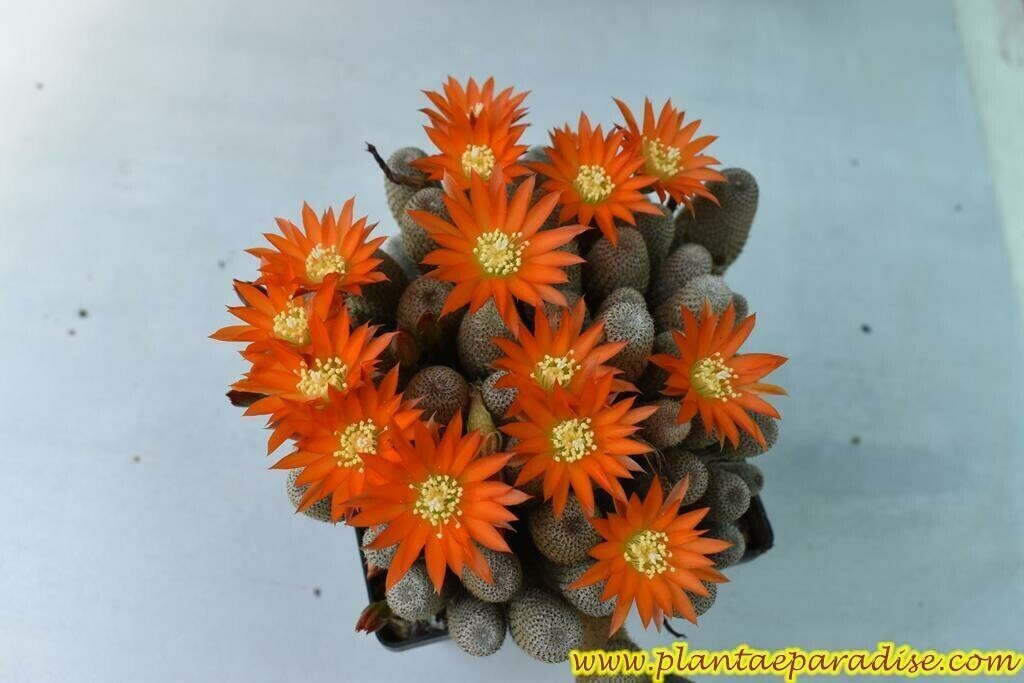
Rebutia heliosa (Grafted)
Product Details
Sun-Crowned Splendor: Rebutia heliosa
A miniature masterpiece prized for its dense, silvery spination and vibrant, oversized blooms.
- Origin & History of Name: The genus Rebutia was named in 1895 by K. Schumann to honor P. Rebut, a French cactus dealer and expert. The specific epithet heliosa is derived from the Greek helios (sun), referring to the plant’s stunning, sun-like orange flowers that often completely obscure the body of the cactus during bloom.
- Morphology: This species forms small, globose stems covered in a distinctive epidermis that is nearly hidden by pectinate (comb-like) spines.
- Habitat & Origin: This is a wild species endemic to the high-altitude regions of Tarija, Bolivia.
- Cultivation Profile:
- Substrate: Use a highly mineral-based mix (60% cinder or grit, 20% perlite, 20% organic matter). Excellent drainage is vital for survival during the Indian monsoon.
- Light: Prefers bright, filtered sunlight. In India, provide a green shade net (50%) during peak summer to prevent the silvery body from scorching while ensuring enough light for flower induction.
- Water/Dormancy: Water thoroughly once the substrate is dry during the growing season.
- Scientific/Historical Anecdote: Rebutia heliosa is considered one of the most beautiful species in the genus, but it was a relatively late discovery, first described by Walter Rausch in 1970.
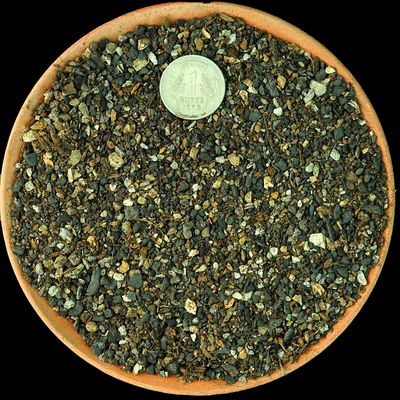
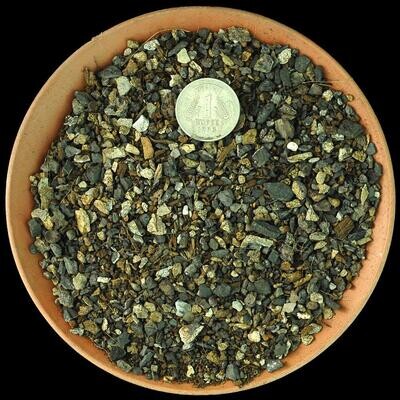
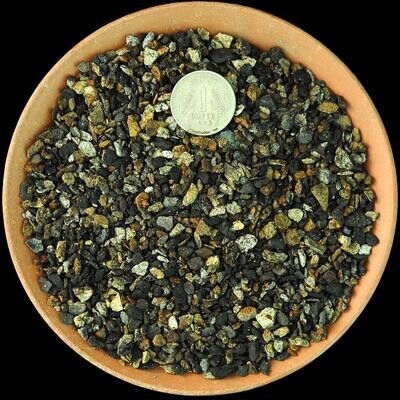
Cactus & Succulent Planting Mix COARSE (aka Cactus Soil Mix or Succulent Soil Mix)
Cactus & Succulent Planting Mix COARSE (aka Cactus Soil Mix or Succulent Soil Mix)
Washed, Free-Draining Mineral Mix for Cactus & Succulents
SKU MNS003
₹38.74
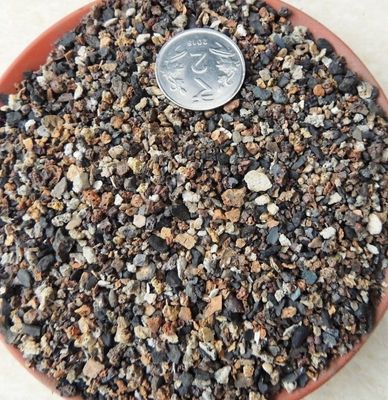
Cactus & Succulent Planting Mix FINE (aka Cactus Soil Mix or Succulent Soil Mix)
Cactus & Succulent Planting Mix FINE (aka Cactus Soil Mix or Succulent Soil Mix)
Fine-Grain Potting Mix for Cactus & Succulent Roots
SKU MNS001
₹33.74