A glowing ball of sunshine-yellow, perched on a sturdy green rootstock, with the promise of vivid red blooms. This variegated Rebutia hybrid is pure colour on a windowsill. Every chlorophyll-free plant is one of a kind, and when it blooms the contrast of scarlet petals against gold is unforgettable. A striking, compact piece for collectors who love the unusual.
Origin of Name
Rebutia honours Pierre Rebut, a 19th-century French vine grower and cactus dealer from Chazay-d'Azergues near Lyon. He was one of the early European nurserymen to specialise in cacti. German botanist Karl Moritz Schumann named the genus after him in 1895, with Rebutia minuscula as the type species.
The genus has since been reshaped several times. Groups such as Aylostera, Mediolobivia, and Sulcorebutia have been merged into or split from it at various points. As a result, hybrids sold as "Rebutia" often carry genes from closely related Andean genera. This plant is a nursery hybrid with no formally registered cultivar name, and its exact parentage is not documented.
Origin of Plant
The wild ancestors of Rebutia grow in the Andes of Bolivia and north-west Argentina, on rocky slopes and grassy ledges at roughly 1,200–3,600 m. There they experience bright light, cool nights, and a pronounced dry winter.
This variegated plant is a product of cultivation. Seedlings that lack chlorophyll cannot feed themselves, so growers graft them onto a vigorous green rootstock that supplies the energy they need.
Description
- Scion: A small, rounded, ribbed globe in bright golden yellow, lined with fine, soft reddish-brown spines.
- Rootstock: A sturdy dark-green cactus with stiff radiating spines, which carries and feeds the scion.
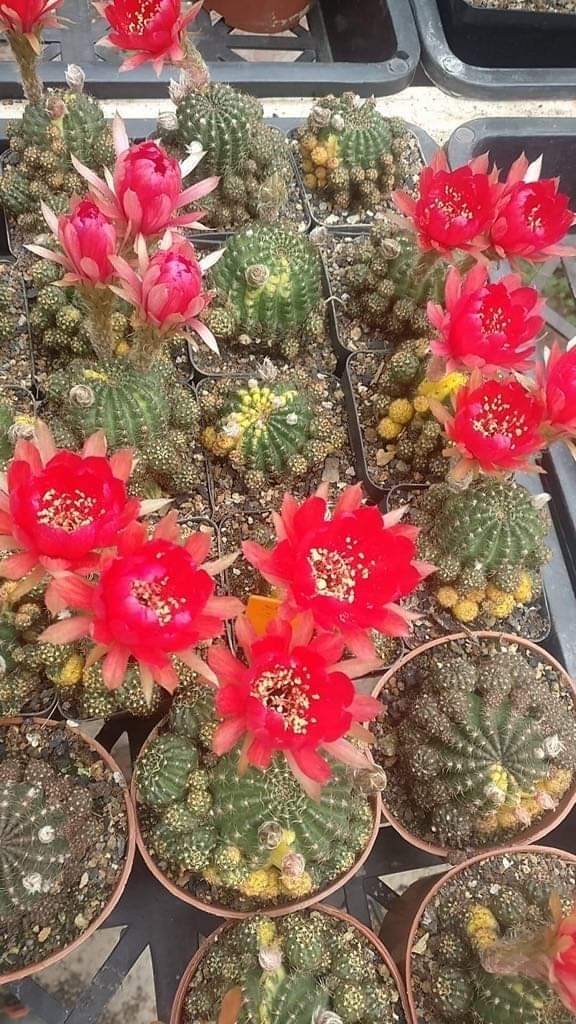
- Flowers: Large, satiny red to scarlet-pink flowers with a paler cream throat and a boss of yellow stamens. They appear in spring and summer, often in successive flushes. Bloom numbers vary from plant to plant and season to season.
- Uniqueness: The colour pattern is unique to each plant, which makes every specimen a one-off.
Conservation Status
- CITES: All cacti are listed under CITES Appendix II, except for species on Appendix I. Rebutia is not among the Appendix I genera.
- IUCN: Most wild Rebutia species are assessed as Least Concern, though some have restricted ranges. As a nursery hybrid, this plant has no conservation status of its own.
- Our plants: They are nursery-propagated and grafted, never wild-collected.
Care
- Light: Bright light with gentle morning sun. Shade it from harsh afternoon sun, because the yellow scion has no chlorophyll and scorches easily.
- Watering: Water thoroughly when the soil is fully dry during spring to autumn. Keep it much drier in winter.
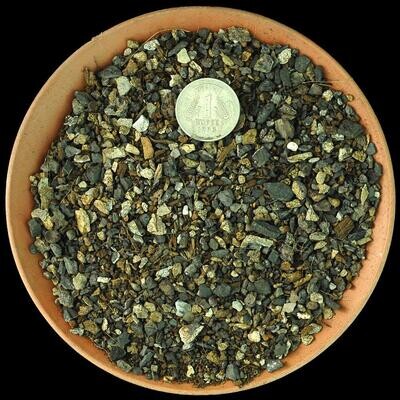
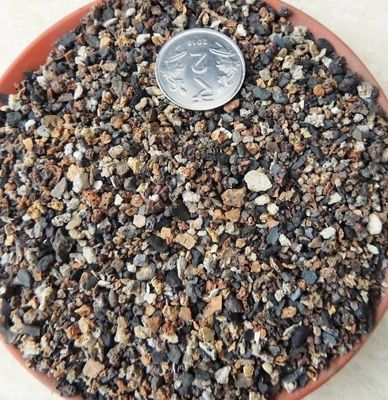
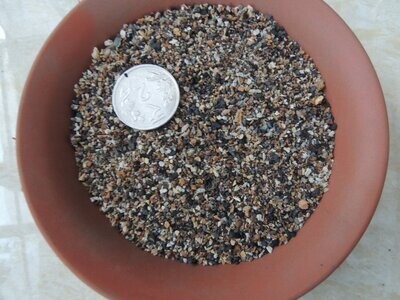
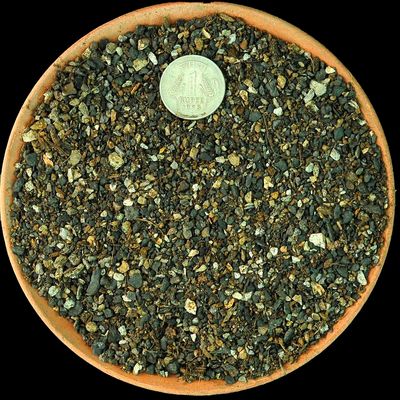
- Soil: Use a gritty, fast-draining cactus mix with 60–70% mineral content.
- Pot: Choose a pot with drainage holes. Terracotta helps prevent the rootstock from rotting.
- Temperature: It prefers 10–32°C. A cool, dry winter rest at around 8–12°C encourages flowering. Protect it from frost and from prolonged heat above 38°C.
- Feeding: Give a low-nitrogen cactus fertiliser monthly in the growing season.
- Tip: Remove any shoots that sprout from the rootstock so all the energy goes to the yellow scion. Grafted plants usually live for several years, and the scion can be re-grafted if the stock ages.
A Story Worth Telling
A cactus with no green should not survive. In nature, a chlorophyll-free seedling dies within weeks once its seed reserves run out. Growers discovered that grafting such seedlings onto a healthy green cactus lets them live, the rootstock effectively photosynthesising for them.
Japanese growers turned this into an art form in the mid-20th century. Their red and yellow "moon cacti" became famous worldwide. Today the same technique keeps rarities like this golden hybrid alive: a partnership of two plants, one providing the food and the other the colour.Plant is Featured in SQ100Square Pot. (Side: 10cm)
A well rooted clump. Exceptional flowers. May have minor variegation too.