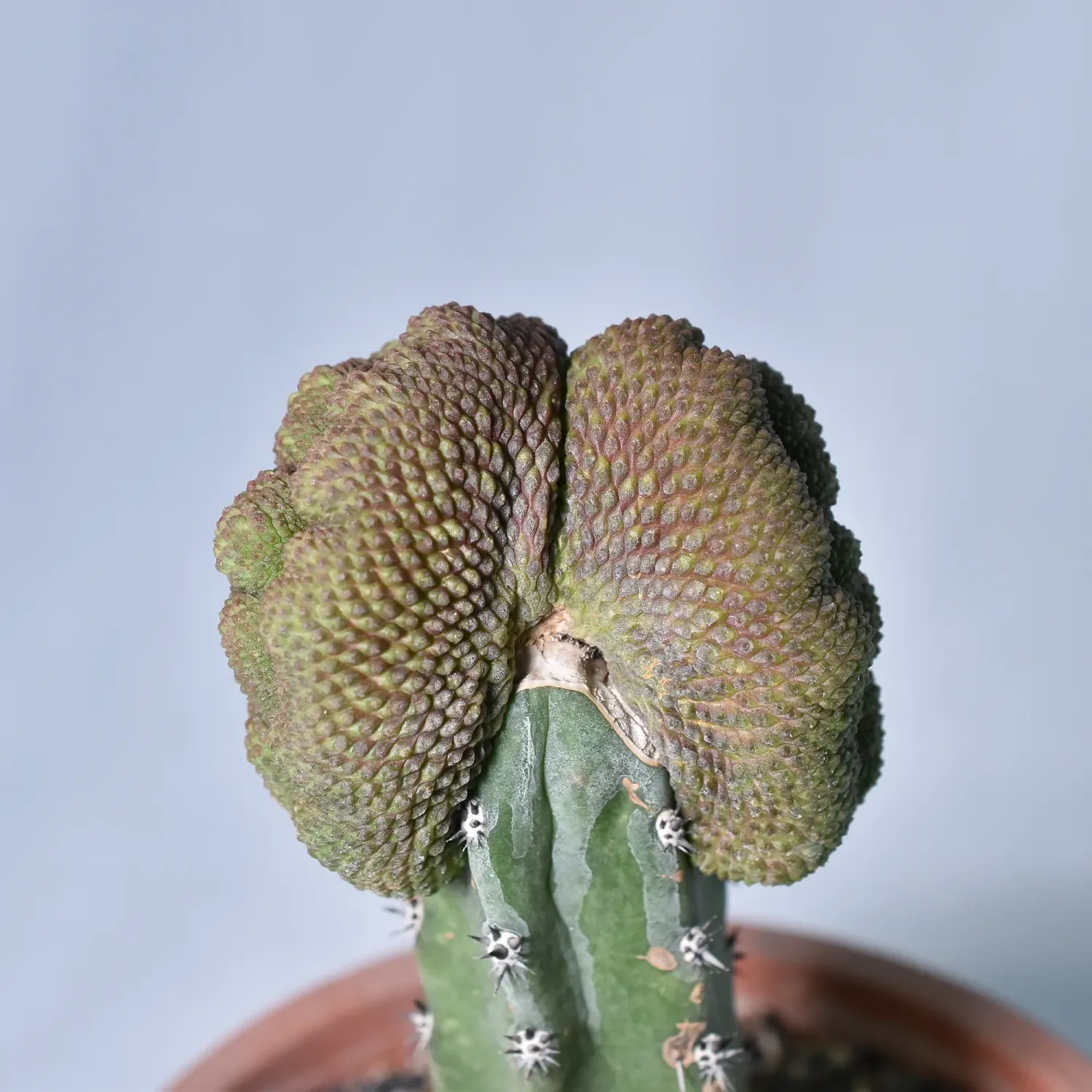
Rebutia krainziana cv. Inermis Crest
Product Details
Sculptural Elegance: Rebutia krainziana cv. Inermis Crest
A rare, spineless architectural marvel featuring mesmerizing fan-like folds for the discerning collector.
- Origin & History of Name The genus Rebutia was named by botanist Karl Moritz Schumann in 1895 to honor Pierre Rebut, a French cactus specialist and nurseryman.
- Morphology This cultivar is characterized by a "crested" growth habit, where the apical meristem grows in a line rather than a single point, resulting in undulating, brain-like folds.
- Habitat & Origin Rebutia krainziana cv. Inermis Crest is a strictly man-made cultivar and does not exist in the wild. It was developed through selective breeding and the stabilization of natural mutations from the original Rebutia krainziana, which is native to the high altitudes of Bolivia. Our specimens are propagated via grafting or cuttings from nursery-stable stock, ensuring no impact on wild populations.
- Cultivation Profile
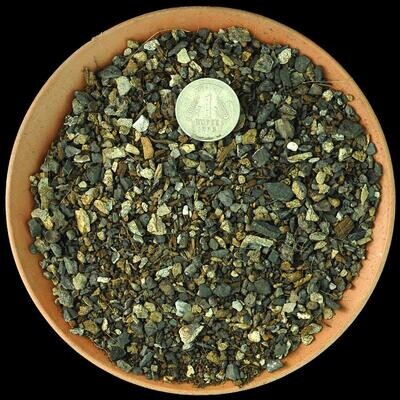
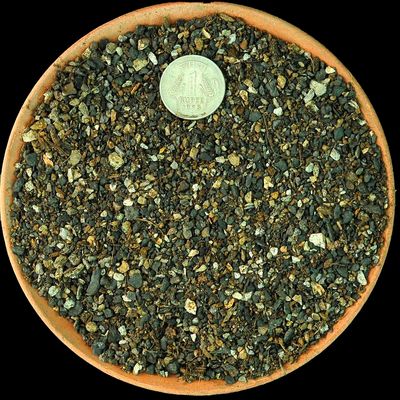
- Substrate: Use a strictly mineral-based mix (70% grit/pumice/perlite and 30% organic matter). In the Indian climate, ensure high porosity to prevent root rot during humid months.
- Light: Bright, indirect light is ideal. In India, provide 40-50% shade during peak summer afternoons (March–June) to prevent the epidermis from scorching.
- Water/Dormancy: Water thoroughly when the substrate is bone-dry. During the monsoon, withhold water if humidity is above 80%. Observe a dry dormancy from November to February to mimic its Andean heritage and encourage spring blooming.
5. Scientific/Historical Anecdote The phenomenon of "cresting" (fasciation) remains one of the most intriguing mysteries in botany. While it can be triggered by bacterial infections or physical damage, in Rebutia, it is a stable genetic mutation. Historically, Rebutia species were among the first cacti from the South American highlands to become popular in Europe because they can bloom within just two to three years from seed, a rarity for most cacti.
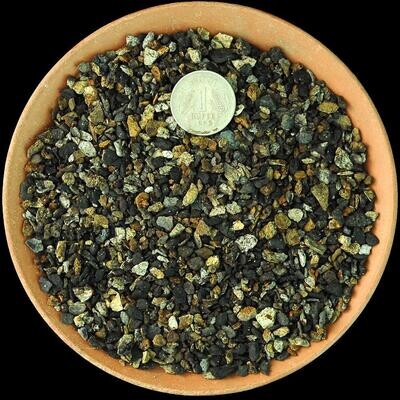
Cactus & Succulent Planting Mix COARSE (aka Cactus Soil Mix or Succulent Soil Mix)
Cactus & Succulent Planting Mix COARSE (aka Cactus Soil Mix or Succulent Soil Mix)
Washed, Free-Draining Mineral Mix for Cactus & Succulents
SKU MNS003
₹44.85
New
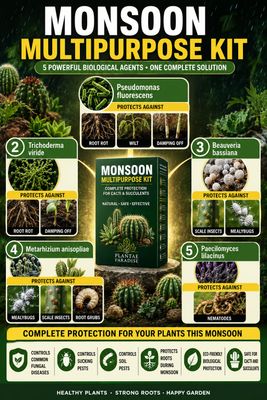
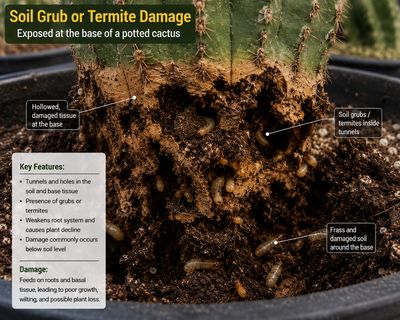
Monsoon Guardian Kit (5 in 1)
Monsoon Guardian Kit (5 in 1)
Complete 5-in-1 biological protection kit for cacti & succulents
SKU MNS024
₹850.00