

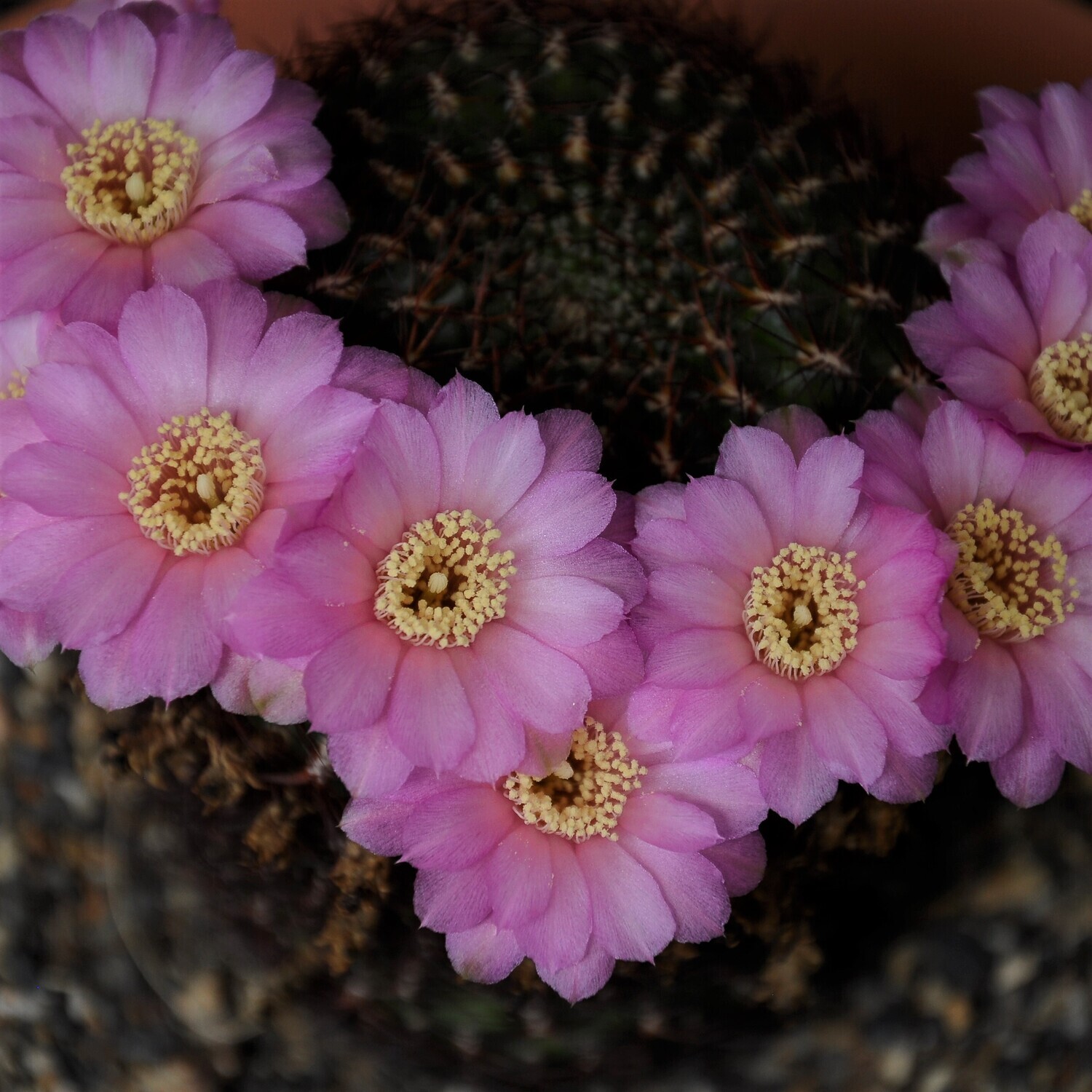
Rebutia mentosa syn Sulcorebutia tortorensis
Product Details
The Spiral Wonder: Rebutia mentosa syn. Sulcorebutia tortorensis
A high-altitude treasure from the Bolivian Andes, prized for its mesmerizing geometric symmetry and vibrant floral display.
- Origin & History of Name: The genus name Rebutia honors P. Rebut, a 19th-century French cactus specialist.
The specific epithet mentosa is derived from the Latin mentum, meaning "chin," referring to the chin-like tubercles on the plant’s body. Its synonym, Sulcorebutia, stems from the Latin sulcus (groove), denoting the distinct furrow above each areole, while tortorensis identifies its discovery near Totora, Bolivia. - Morphology: This species is characterized by a globose to short-cylindrical epidermis that typically remains solitary or offsets slowly. It features spirally arranged tubercles rather than continuous costae (ribs). The areoles are elongated and bear pectinate (comb-like) spines that lay flat against the body. When in bloom, it produces funnel-shaped flowers that emerge from the base of the plant rather than the apex.
- Habitat & Origin: This is a wild species native to the Cochabamba region of Bolivia, growing at elevations between 2,000 and 3,000 meters. Our specimens are nursery-grown via sustainable propagation methods, ensuring no impact on wild populations in their high-altitude rocky habitats.
- Cultivation Profile:
- Substrate: Use a strictly mineral-based mix (70% grit/pumice, 30% organic matter). In the Indian climate, avoid heavy peat to prevent root rot during monsoon humidity.
- Light: Requires bright, filtered sunlight. In tropical Indian summers, provide 50% shade cloth protection during peak afternoon hours (12 PM – 4 PM) to prevent epidermis scorching.
- Water/Dormancy: Water thoroughly when the medium is completely dry during the growing season. Maintain a strict dry dormancy from November to February to mimic its cold Andean winter; this rest period is essential for triggering spring flowering.
- Scientific/Historical Anecdote: The classification of this plant has been a point of botanical debate for decades. While originally placed in Sulcorebutia due to its grooved areoles, modern DNA sequencing has led many taxonomists to merge the genus into Rebutia. Despite the merger, collectors often keep the "Sulco" label separate because of the unique way their flowers emerge from the lowest part of the plant body.
New

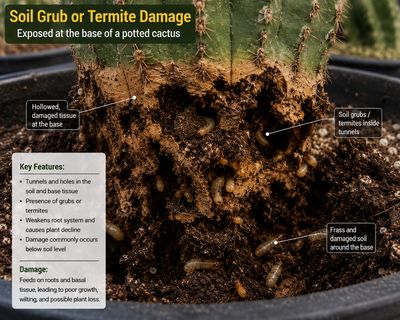
Monsoon Guardian Kit (5 in 1)
Monsoon Guardian Kit (5 in 1)
Complete 5-in-1 biological protection kit for cacti & succulents
SKU MNS024
₹850.00
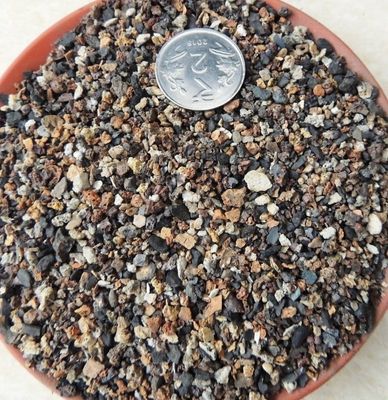

Cactus & Succulent Planting Mix FINE (aka Cactus Soil Mix or Succulent Soil Mix)
Cactus & Succulent Planting Mix FINE (aka Cactus Soil Mix or Succulent Soil Mix)
Fine-Grain Potting Mix for Cactus & Succulent Roots
SKU MNS001
₹39.85


Cactus Seed Planting Mix
Cactus Seed Planting Mix
Sterile, Fine-Grain Media for Cactus & Succulent Seeds
SKU MNS005
₹74.85
