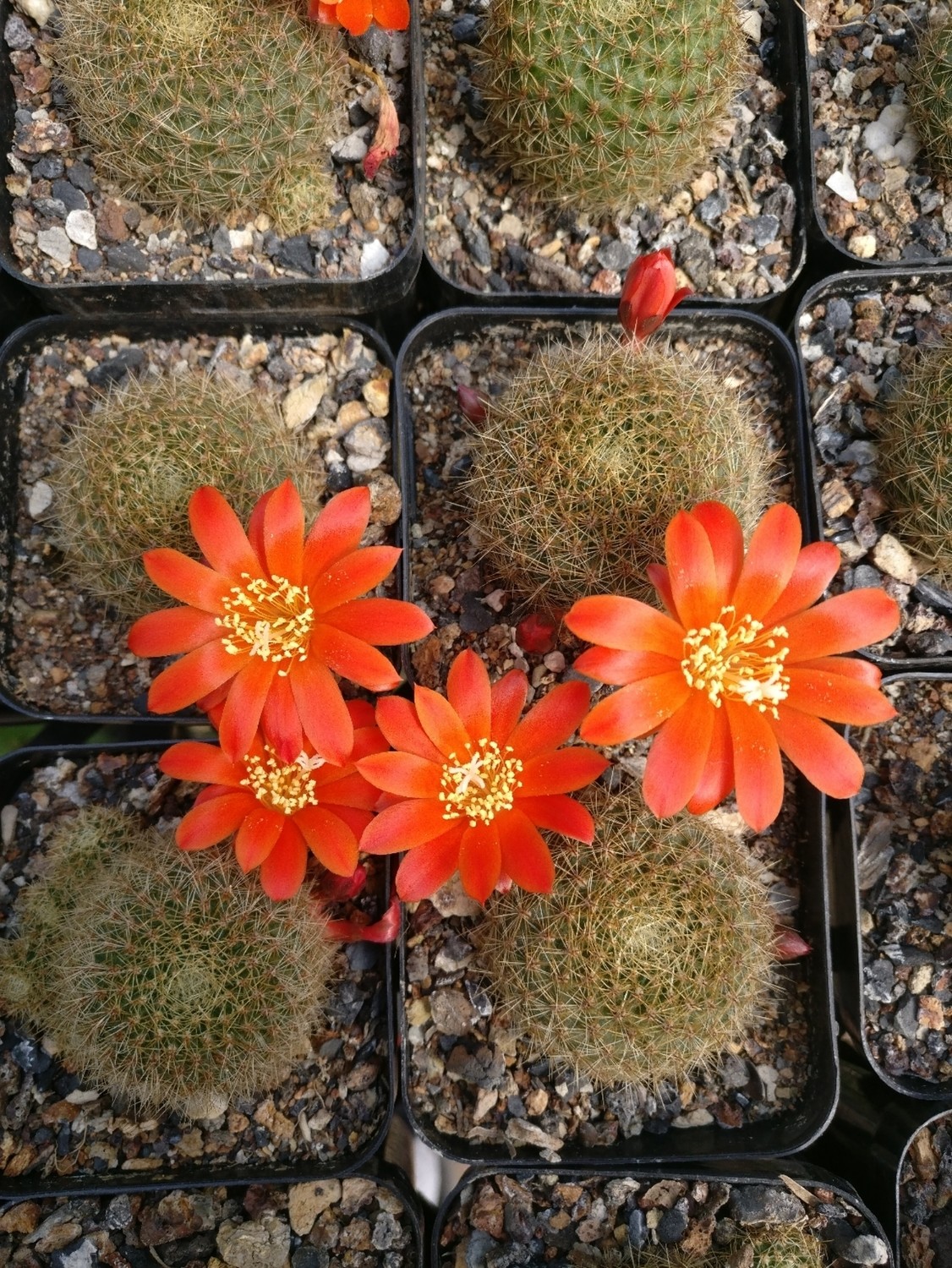
Small in size and big on colour: Rebutia minuscula produces a ring of glowing orange, star-shaped flowers from the base of a neat, golden-spined globe. It's compact, easy to grow, and reliably generous with its spring blooms, a perfect gateway cactus that experienced collectors still love.
Origin of Name
The genus Rebutia honours Pierre Rebut (1828–1902), a French cactus nurseryman from Chazay-d'Azergues near Lyon. He first distributed this plant under the name Echinopsis minuscula. In 1895 German botanist Karl Moritz Schumann published it in the Monatsschrift für Kakteenkunde and created a new genus named after Rebut. That makes this species the type species of Rebutia, the plant on which the whole genus is founded.
The epithet minuscula is Latin for "very small," a nod to its tiny, button-like stems. It was later moved to Echinocactus by F.A.C. Weber and to Eurebutia, among other placements. Many plants once sold as separate species, including R. senilis, R. marsoneri, R. chrysacantha, R. violaciflora, and R. grandiflora, are now treated by Kew's POWO as synonyms or forms of R. minuscula. This explains the wide variation in spine and flower colour found under this one name.
Origin of Plant
Rebutia minuscula is native to the Andean foothills of north-western Argentina, mainly Tucumán and Salta. It grows on rocky slopes and among grasses and mosses at mid to high elevations. These are bright places with cool nights and a dry winter season. It reached European collections in the late 19th century through Rebut's nursery trade.
Description
- Stems: Small, globular stems, a few centimetres across, that slowly offset to form tight clusters.
- Spines: Numerous fine, bristly spines, in this form a warm golden-brown colour that gives the plant a soft, glowing texture.
- Flowers: Vivid orange, star-shaped flowers with a cream-yellow centre and prominent yellow stamens. They emerge from the lower sides of the stem in spring, often forming a ring around the plant, which is why Rebutias are nicknamed "crown cacti." Flowers open in sunshine and close at night. Bloom numbers vary with plant age and growing conditions.
- Seed: It sets seed readily and is self-fertile.
Conservation Status
- CITES: Appendix II, like all cacti not listed on Appendix I.
- IUCN Red List: Least Concern. It is widespread and common in its native range.
- Our plants: They are nursery-propagated from seed and offsets, never wild-collected.
Care
- Light: Bright light with gentle direct sun. Morning sun is ideal. Give light shade during peak summer afternoons.
- Watering: Water thoroughly when the soil is fully dry during spring and summer. Keep it almost completely dry in winter.
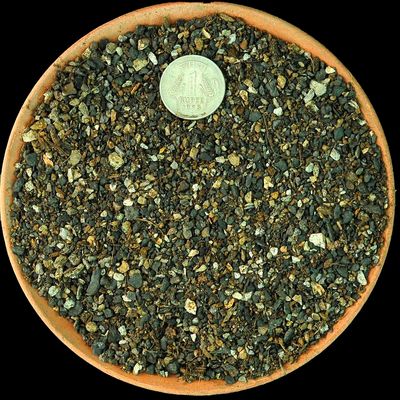
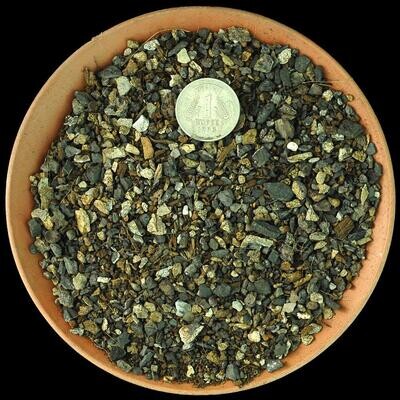
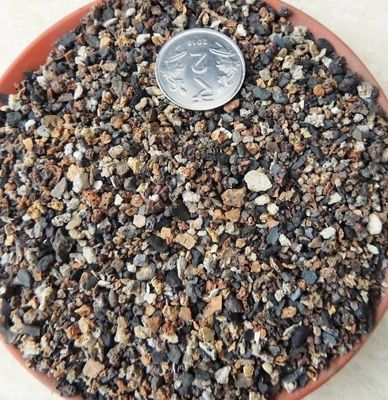
- Soil: Use a gritty, fast-draining mix with about 70% mineral content (pumice, coarse sand, brick chips) and a little organic matter.
- Pot: Choose a pot with drainage holes. Terracotta or a shallow pot suits it best.
- Temperature: It is comfortable between 8 and 32°C. A cool, dry winter rest at around 5–12°C is the secret to heavy flowering.
- Feeding: Give a low-nitrogen cactus fertiliser monthly from spring to late summer.
- Tip: Buds form in late winter. Resume watering gently once they are clearly visible, not before.
A Story Worth Telling
The species that started a genus has also been one of its greatest identity puzzles. In the 1930s and after, collectors and botanists, led by the prolific Curt Backeberg, described dozens of "new" Rebutias based on differences in spine colour and flower shade. Some had red flowers, others orange, pink, lilac, or yellow, and some had white or golden spines.
Decades later, careful study showed that many were simply variations of one adaptable species. Today R. minuscula carries more than thirty synonyms. Every plant with a different spine colour or flower shade is a small piece of that long botanical debate.