Sansevieria concinna (Elegant Spoon-Leaf Snake Plant)
A refined, compact member of the snake plant family, grown for its unusual spoon-shaped, deep olive-green leaves that curl gently at the tips and fold near the base into a distinctive scoop. Slow-growing, sculptural, and low-maintenance, this coastal African succulent brings understated elegance to a windowsill without demanding much in return.
Origin of Name
The genus name Sansevieria carries an unusually tangled history for a houseplant. It's generally said to honor Raimondo di Sangro, Prince of San Severo, an 18th-century Italian nobleman and inventor — but the more precise story credits Italian botanist Vincenzo Petagna, who in 1787 first coined the related name "Sanseverinia" to honor a different patron, Pietro Antonio Sanseverino, Count of Chiaramonte, in whose garden Petagna had studied the plant. When Swedish botanist Carl Peter Thunberg published "Sansevieria" in 1794, it's unclear whether he was deliberately renaming the genus or simply misspelling Petagna's original — but Thunberg's version is the one that stuck, and "Sansevieria" remains the name still used by growers today even as the botanical world has moved on (see below).
The species epithet concinna is Latin for "neat," "elegant," or "skillfully put together" — a fitting description for this plant's tidy, well-proportioned leaves. It was formally described in 1915 by Nicholas Edward Brown, a prolific British botanist at the Royal Botanic Gardens, Kew, who specialized in succulents and personally catalogued dozens of Sansevieria species in the early 20th century, publishing this one in the Kew Bulletin of Miscellaneous Information.
In 2017, DNA-based studies revealed that the genus Sansevieria actually sits nested within Dracaena (the dragon tree genus), making the old Sansevieria an artificial grouping. Botanists responded by folding roughly seventy Sansevieria species into Dracaena, and this plant now carries the accepted scientific name Dracaena spathulata — though "Sansevieria concinna," the name it was known by for over a century, remains the name most growers and nurseries still use.
Origin of Plant
This species is native to the coastal regions of southeastern Africa, found growing wild in South Africa's KwaZulu-Natal province, as well as in Mozambique, Zimbabwe, and Tanzania. It typically grows in sandy soils in the dappled shade of coastal forests, tucked beneath the canopy rather than out in open, exposed sun — a habitat that helps explain its tolerance for both bright and lower light conditions in cultivation.
Description
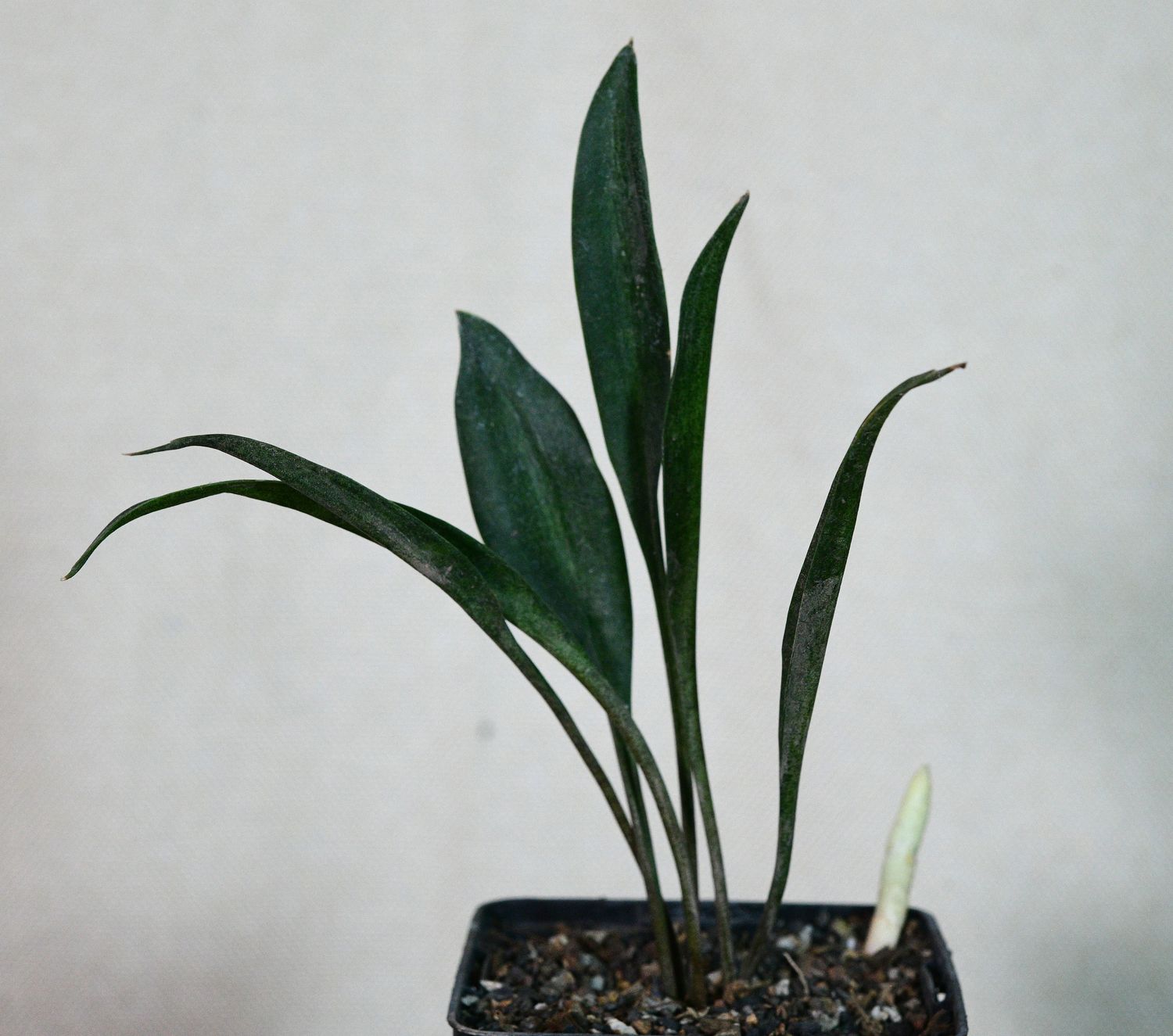
A slow-growing, clumping succulent that stays compact, typically reaching just 15 to 45 cm (6 inches to 1.5 feet) tall. Its elliptical leaves sit on relatively long stalks and have a distinctive habit of folding near the base into a shallow, spoon-like scoop — especially noticeable in bright light, as seen in the young plant pictured, with several leaves already showing that gentle basal fold and a fresh new shoot emerging from the soil. Foliage is a dark olive green, sometimes with faint, subtle pale banding across the leaf. Once mature, it sends up a flower spike bearing clusters of small, tubular flowers in yellowish-white with a touch of purple, lightly fragrant, typically blooming once a year in late spring to summer.
Conservation Status
Sansevieria concinna (Dracaena spathulata) has not been formally assessed on the IUCN Red List, but it is not considered rare — it occurs across a fairly wide swath of coastal southeastern Africa spanning four countries. As with many coastal forest species, ongoing habitat conversion in parts of its range is worth watching, but the species faces no known acute threat at present.
Care
Light: Adaptable — tolerates low light reasonably well but does best in bright, filtered light; full sun is also tolerated once established, and tends to accentuate the characteristic spoon-fold in the leaves.
Watering: Water every 7 to 10 days during the growing season, allowing the soil to dry out between waterings; cut back to about once a month in winter. Like all snake plants, it's far more tolerant of underwatering than overwatering.
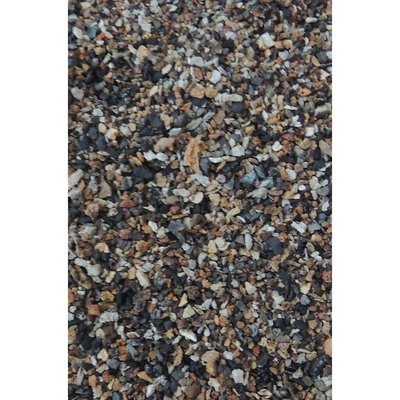
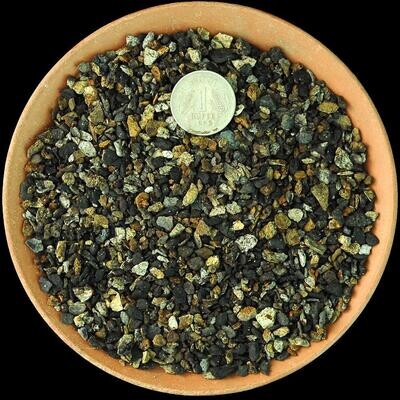
Soil: A fast-draining succulent or cactus mix is ideal, echoing the sandy coastal soils of its native habitat.
Temperature: Prefers warm conditions, ideally between 18–27°C (65–80°F), and should be protected from temperatures below about 10°C (50°F).
General tips: Feed with a balanced fertilizer every 6 to 8 weeks during spring and summer. Being slow-growing and naturally compact, it's well suited to smaller pots and rarely needs repotting. As with other snake plants, note that the leaves are mildly toxic if chewed or ingested in quantity, so keep it out of reach of curious pets.
An Interesting Note
The genus this plant has spent over a century in — Sansevieria — was long known by the common name "bowstring hemp," because the tough, fibrous leaves of related African species were traditionally stripped and twisted into cordage strong enough to string a bow, long before anyone was growing them as houseplants. Sansevieria concinna itself carries a quieter distinction: its very name, "elegant" in Latin, has outlasted a name change, a genus reshuffle, and over a hundred years of shifting botanical opinion — proof that sometimes a good descriptive name sticks around even after the scientific paperwork changes underneath it.