1. Origin of Name:
The genus "Sempervivum" is Latin for “always alive” or “everliving,” a fitting name for a hardy, drought-tolerant succulent that thrives in harsh conditions and can survive through severe droughts and cold spells. The species name "calcareum" indicates its preference for calcareous, limestone-rich soils, reflecting its natural habitat among rocky, chalky terrains. The cultivar 'Greenii' commemorates William Green, a 19th-century botanist and plant collector who contributed to the popularization of this charming succulent. The name 'Greenii' highlights the plant’s lush, vibrant green coloration, distinguishing it from other Sempervivum varieties. The plant’s naming reflects both its botanical resilience and its beautiful, verdant appearance.
2. Origin of Plant:
Sempervivum calcareum 'Greenii' is native to mountainous regions of Central Europe, particularly within limestone-rich areas of the Alps, Carpathians, and the rocky limestone cliffs of Italy and Austria. Discovered and cultivated by European horticulturists during the 19th century, it quickly gained popularity for its robust nature and ornamental appeal. Its natural habitat consists of rocky slopes, cliff ledges, and limestone quarries, where it survives on minimal soil, enduring cold temperatures and prolonged droughts. Its ability to flourish in such challenging environments has made it a favorite among rock-garden enthusiasts worldwide.
3. Description:
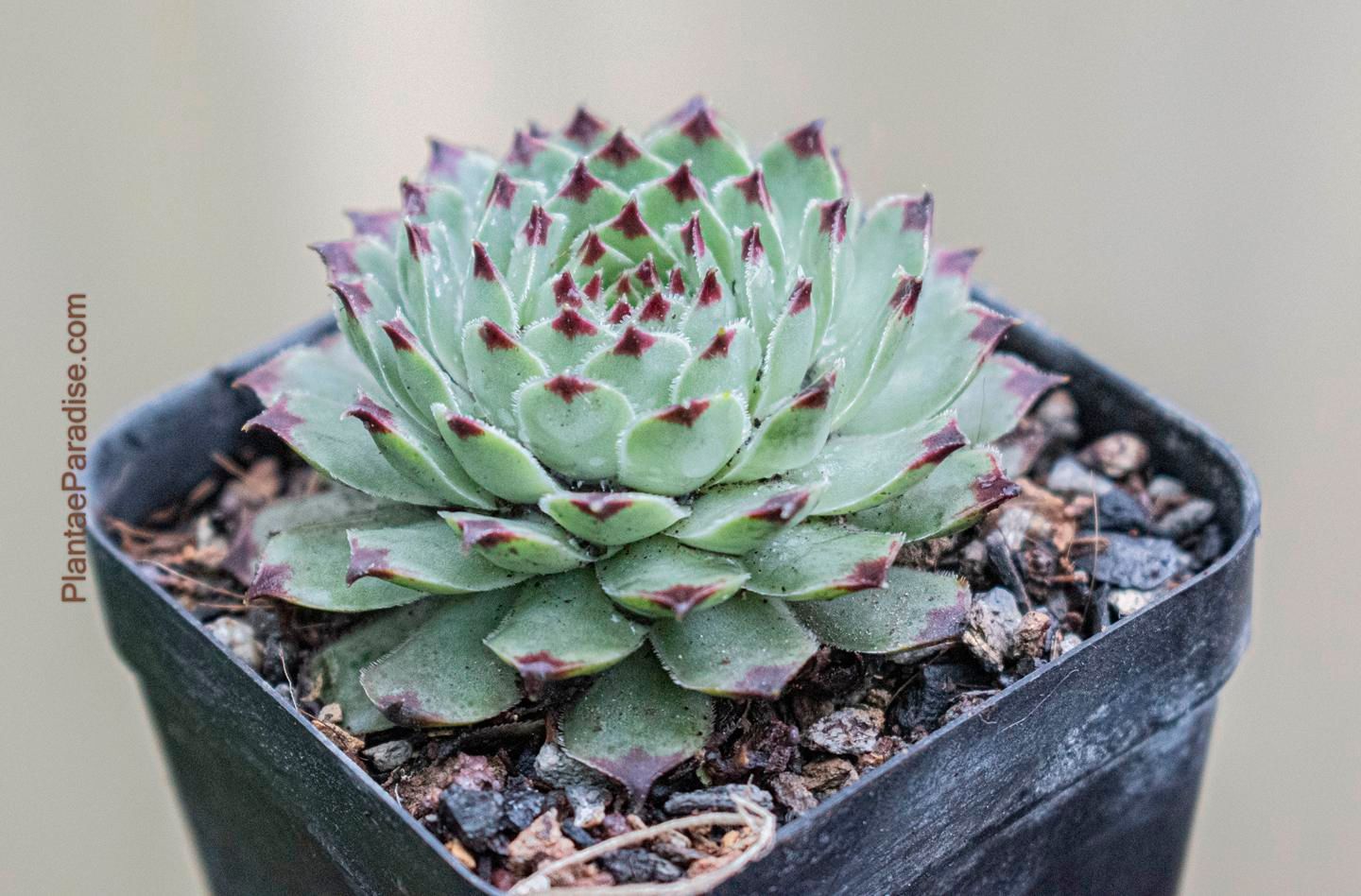
This stunning succulent forms dense rosettes approximately 4-6 inches across, composed of pointed, fleshy leaves that are a lush, vibrant green. The leaves often display a slight reddish or purple hue along the margins, especially in full sun or during cooler weather, adding a touch of contrast and visual interest. Its compact, star-like rosettes produce clusters that can multiply over time, creating a charming carpet of greenery. In late spring or early summer, it may produce charming, small flower stalks topped with star-shaped, pinkish or reddish flowers that attract pollinators and add ornamental charm. Its resilient, sculptural form makes it a versatile plant ideal for container gardens, rockeries, or green roofs—adding elegance and resilience to any landscape.
4. Conservation Status:
Sempervivum calcareum 'Greenii' is considered a common ornamental plant within cultivation and is not currently threatened in the wild. However, habitat preservation is vital, as wild populations are impacted by quarrying and overharvesting in certain regions. Responsible cultivation and propagation in nurseries help conserve natural populations and allow gardeners to enjoy this hardy plant without impacting wild environments.
5. Care:
Ensure your Sempervivum calcareum 'Greenii' thrives with these care tips:
- Watering: Water sparingly; allow the soil to dry out completely between watering. Reduce watering in winter.
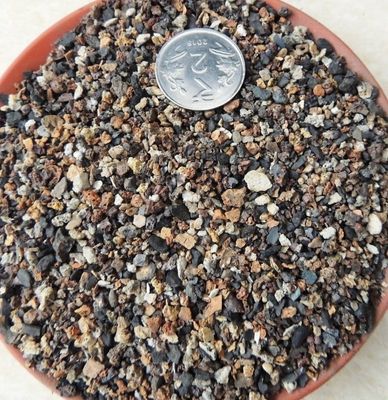
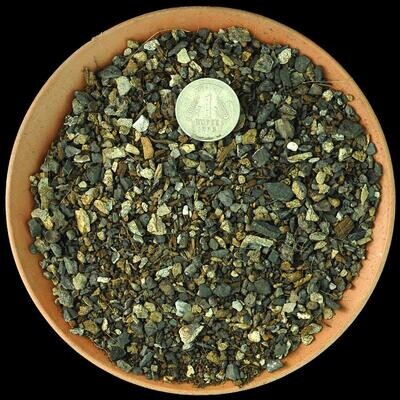
- Soil: Use a well-draining cactus or succulent soil mix, with added sand or gravel, especially if growing in containers or rocky landscapes.
- Light: Prefers full sun to produce the best coloration and compact growth. Indoors, place near a south-facing window.
- Temperature: Tolerant of cold, hardy to at least -20°F (-29°C). Ideal outdoor plant in temperate to alpine climates.
- Additional Tips: Fertilize lightly once in spring with a cactus or succulent fertilizer. Rejuvenate overgrown clumps by dividing them every few years to maintain vigor and shape.
Interesting Historical or Botanical Fact:
Native to the limestone cliffs and rugged mountains of Europe, Sempervivum species have been cultivated for centuries, often called “houseleeks” or “liveforever” due to their incredible resilience. Historically, they were believed to ward off evil spirits and were planted on rooftops as protective charms. Their ability to survive extreme weather conditions and regenerate even after harsh winters has inspired folklore and admiration for their hardy nature. Sempervivum calcareum 'Greenii' continues this legacy, symbolizing endurance and natural beauty—proof that strength and elegance can thrive in the toughest environments.