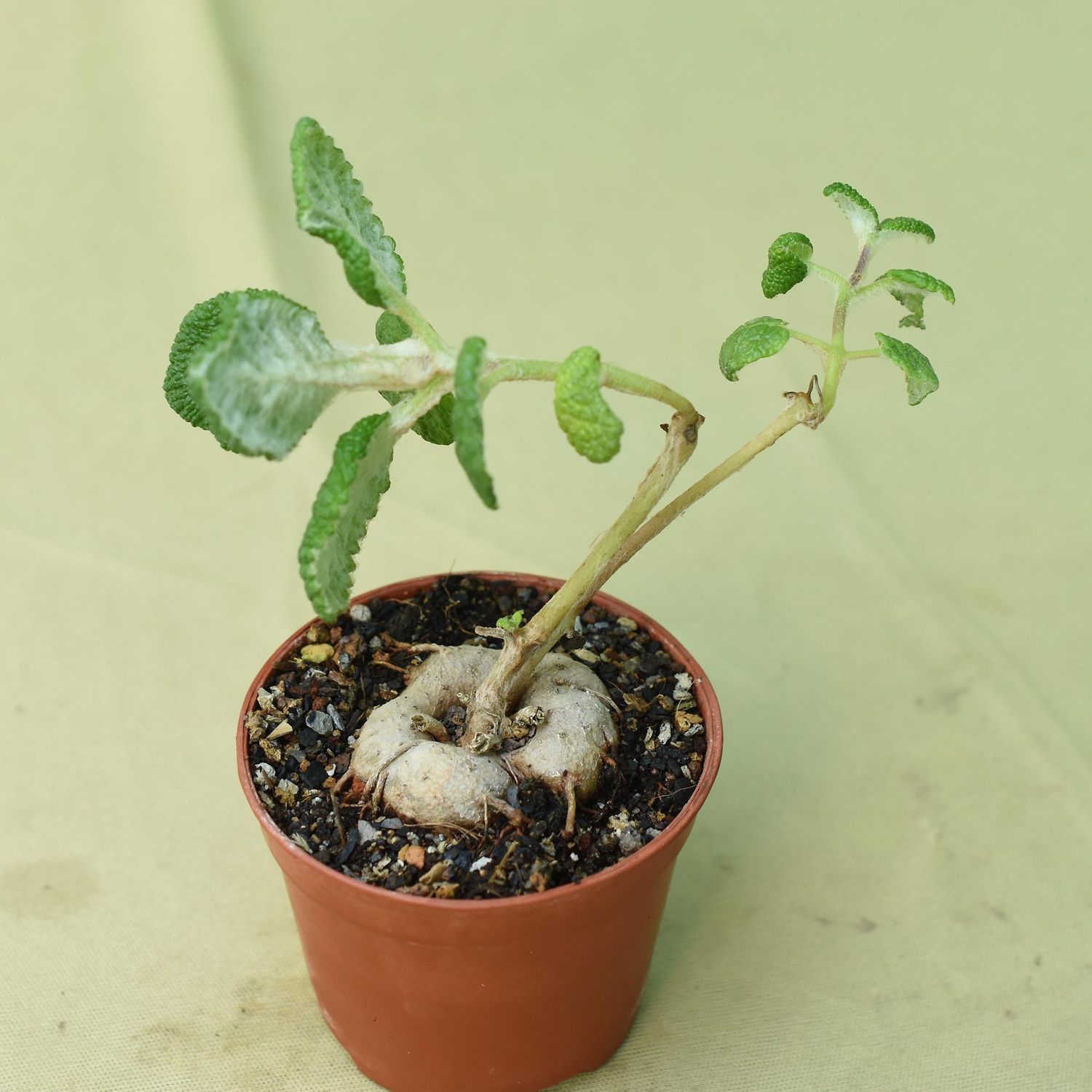
Sinningia bullata
Product Details
Textured Treasure: Sinningia bullata
A rare Brazilian gem coveted for its striking contrast of woolly white foliage and vibrant orange blooms.
- Origin & History of Name: The genus Sinningia honors Wilhelm Sinning (1792–1874), a head gardener at the University of Bonn Botanical Garden.
- Morphology: This species is characterized by a large woody tuber (caudex) from which upright stems emerge. Its primary distinction is the extreme bullate leaf surface—a quilted, puckered texture on the adaxial (upper) side.
- Habitat & Origin: Sinningia bullata is a wild species endemic to the state of Santa Catarina, Southern Brazil. It typically grows on steep basaltic cliffs. Our specimens are nursery-propagated via seed or division to ensure the protection of wild populations and ecological sustainability.
- Cultivation Profile:
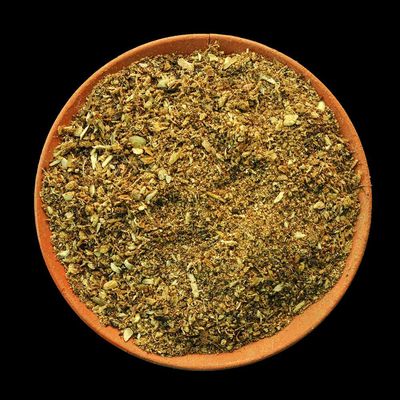
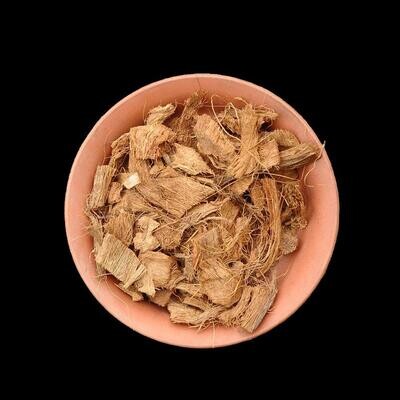
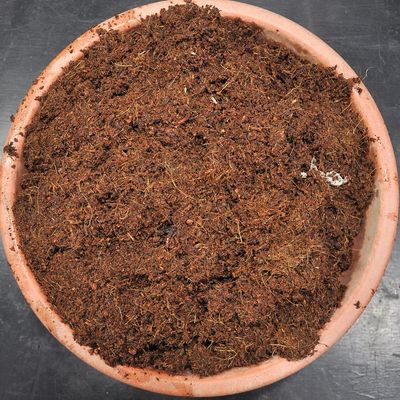
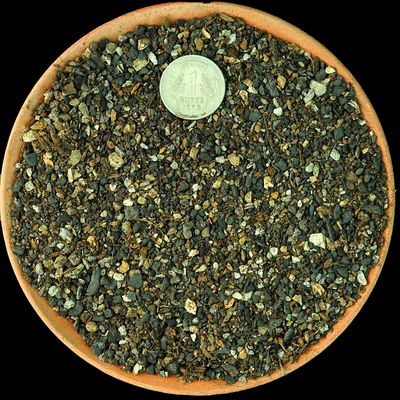
- Substrate: A highly porous, mineral-based mix.
- Light: Bright indirect light. In Indian summers, provide 50-70% shade; morning sun is beneficial, but harsh afternoon sun will scorch the woolly foliage.
- Water/Dormancy: Water deeply when the substrate is dry during the growing season. This plant undergoes a distinct dormancy period (usually coinciding with the Indian winter). When stems die back, cease watering almost entirely until new buds appear at the caudex.
- Substrate: A highly porous, mineral-based mix.
- Scientific/Historical Anecdote: Despite being popular in specialized collections for years under the provisional name Sinningia sp. "Florianópolis," it remained "undiscovered" by formal science until the late 2000s. Its thick white wool is an evolutionary adaptation called tomentum, which reflects UV radiation and traps a layer of moisture against the leaf, allowing it to survive on exposed, arid cliff faces.