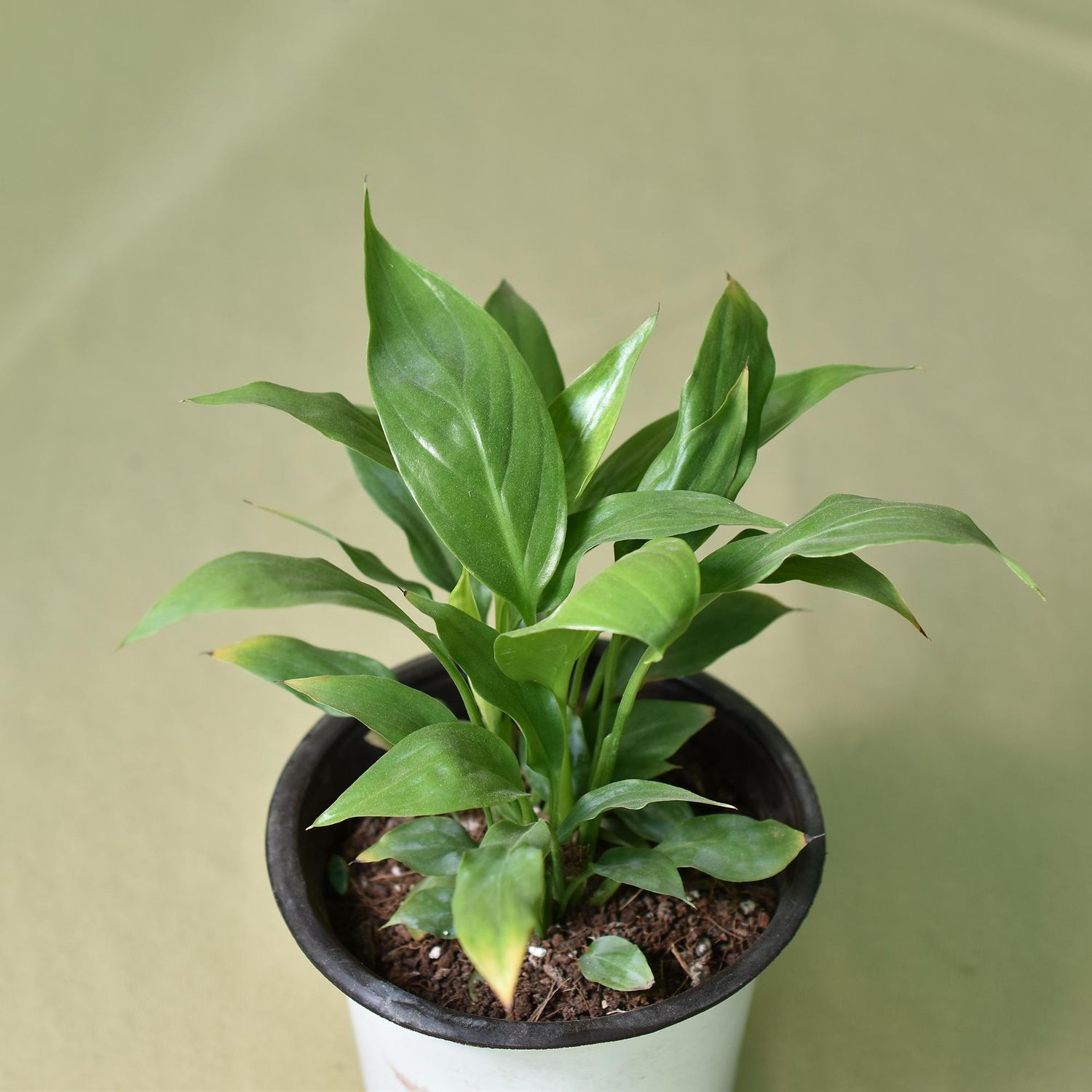
Spathiphyllum Sensation White Peace Lily
Product Details
Majestic Indoor Giant: Spatiphyllum 'Sensation'
The ultimate statement piece for collectors seeking the largest and most architecturally striking variety of the classic Peace Lily.
- Origin & History of Name: The genus name Spathiphyllum is derived from the Greek words spathe (spoon) and phyllon (leaf), describing the spoon-shaped flowering bract.
- Morphology: Unlike its smaller relatives, 'Sensation' is characterized by its massive, deeply ribbed foliage.
- Habitat & Origin: This plant is a cultivated variety (cultivar), bred specifically for the nursery trade from species native to the tropical rainforests of Central and South America. Our specimens are sustainably propagated via tissue culture, ensuring no wild populations are disturbed and providing a pest-resistant, uniform growth habit.
- Cultivation Profile (Indian Context):
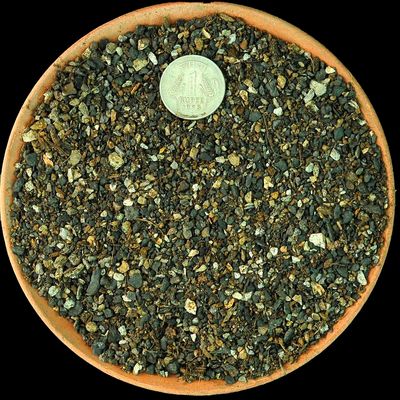
- Substrate: A chunky, well-draining mix consisting of cocopeat, perlite, and pine bark. Avoid heavy garden soil which compacts in high humidity.
- Light: Bright, indirect light. In India, keep it away from harsh afternoon south-facing windows to prevent leaf scorch; an east-facing balcony or internal spot with filtered light is ideal.
- Water/Dormancy: Keep the medium consistently moist but never waterlogged. During the Indian monsoon, reduce watering frequency due to high ambient humidity. It does not have a true dormancy but growth slows in the cooler months of December and January.
- Scientific/Historical Anecdote: The Spathiphyllum genus gained global fame following the 1989 NASA Clean Air Study.
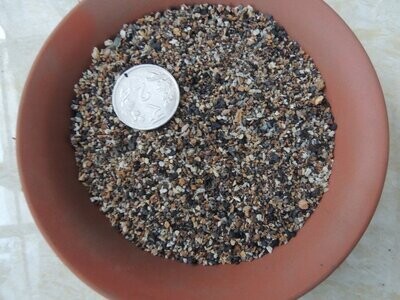
Cactus Seed Planting Mix
Cactus Seed Planting Mix
Sterile, Fine-Grain Media for Cactus & Succulent Seeds
SKU MNS005
₹70.51
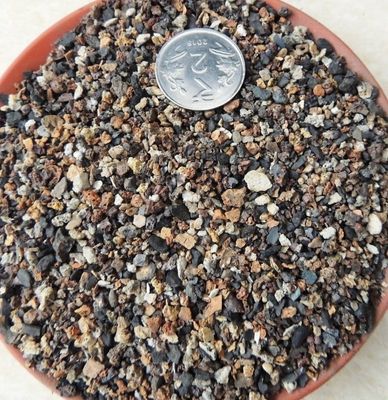
Cactus & Succulent Planting Mix FINE (aka Cactus Soil Mix or Succulent Soil Mix)
Cactus & Succulent Planting Mix FINE (aka Cactus Soil Mix or Succulent Soil Mix)
Fine-Grain Potting Mix for Cactus & Succulent Roots
SKU MNS001
₹35.51