

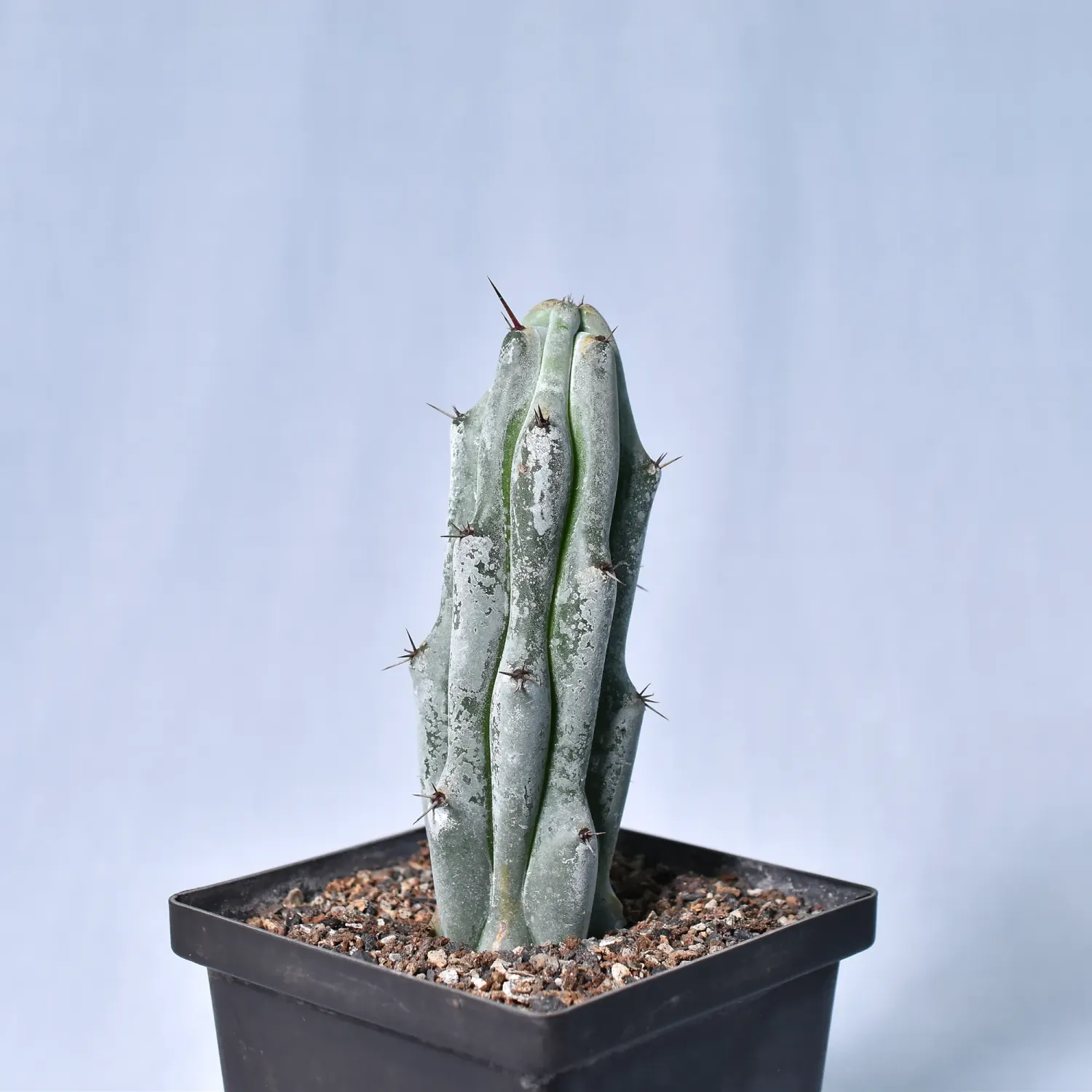
Stenocereus beneckei f. inermis
Product Details
Sculptural Minimalist: Stenocereus beneckei f. inermis
A sought-after architectural treasure, prized for its ghostly white bloom and smooth, spineless silhouette.
- Origin & History of Name: The genus name Stenocereus is derived from the Greek stenos (narrow) and the Latin cereus (wax candle), referring to its slender, upright growth.
- Morphology: This cactus is distinguished by its smooth, columnar stems covered in a thick, chalky white "farina" or pruinose coating, which protects the epidermis from intense sun.
- Habitat & Origin: The base species Stenocereus beneckei is native to the arid tropical regions of Central Mexico, particularly Guerrero and Morelos. However, the inermis form is a stabilized cultivar selected for its lack of spines.
- Cultivation Profile:
- Substrate: Use a strictly mineral-based mix (70% grit/pumice/perlite, 30% organic matter). Avoid standard garden soil which retains too much moisture in humid Indian climates.
- Light: Requires bright, indirect sunlight or morning sun. In peak Indian summers (April–June), provide 50% shade cloth to prevent the white farina from scorching or thinning.
- Water/Dormancy: Water deeply only when the medium is bone-dry. During the monsoon, keep the plant under cover to avoid root rot. Minimize watering during the cooler winter months when the plant enters dormancy.
- Scientific/Historical Anecdote: The "white powder" on the stem isn't just for aesthetics; it is a sophisticated biological adaptation called epicuticular wax. Scientists have found that this coating reflects a high percentage of ultraviolet radiation and minimizes transpirational water loss, allowing the plant to remain cool even when the dark volcanic rocks of its native Mexican habitat reach blistering temperatures.
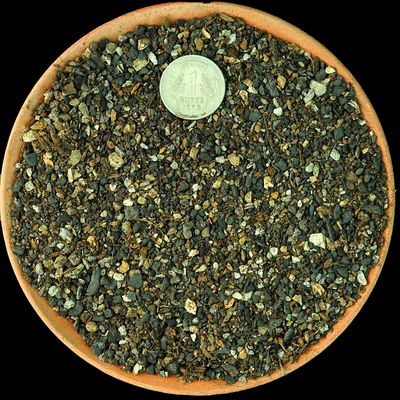
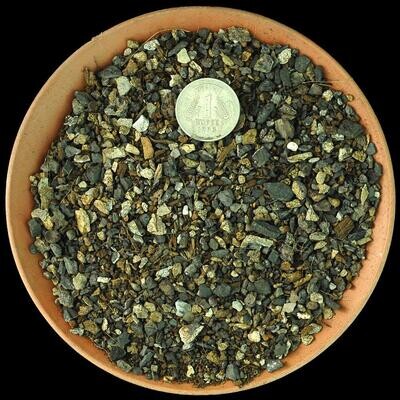
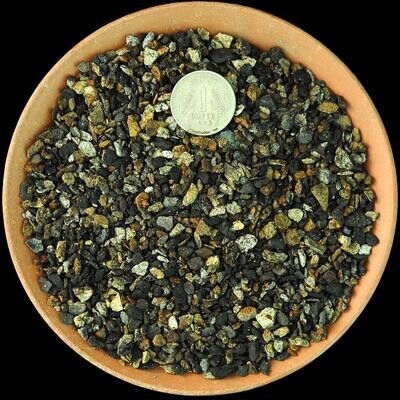
Cactus & Succulent Planting Mix COARSE (aka Cactus Soil Mix or Succulent Soil Mix)
Cactus & Succulent Planting Mix COARSE (aka Cactus Soil Mix or Succulent Soil Mix)
Washed, Free-Draining Mineral Mix for Cactus & Succulents
SKU MNS003
₹38.74
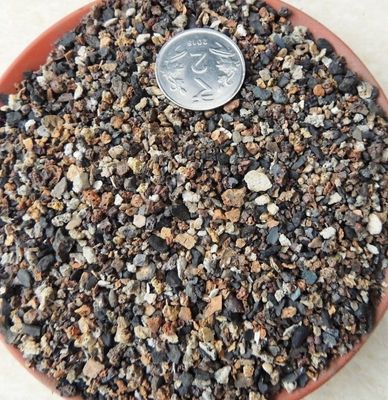
Cactus & Succulent Planting Mix FINE (aka Cactus Soil Mix or Succulent Soil Mix)
Cactus & Succulent Planting Mix FINE (aka Cactus Soil Mix or Succulent Soil Mix)
Fine-Grain Potting Mix for Cactus & Succulent Roots
SKU MNS001
₹33.74