Sterculia colorata
Product Details
Scarlet Flame: Sterculia colorata
A rare, architectural treasure prized for its coral-hued blossoms and sculptural caudex.
- Origin & History of Name: The genus name Sterculia is derived from Sterculius, the Roman god of dung, referencing the distinctive odor produced by the flowers of some species.
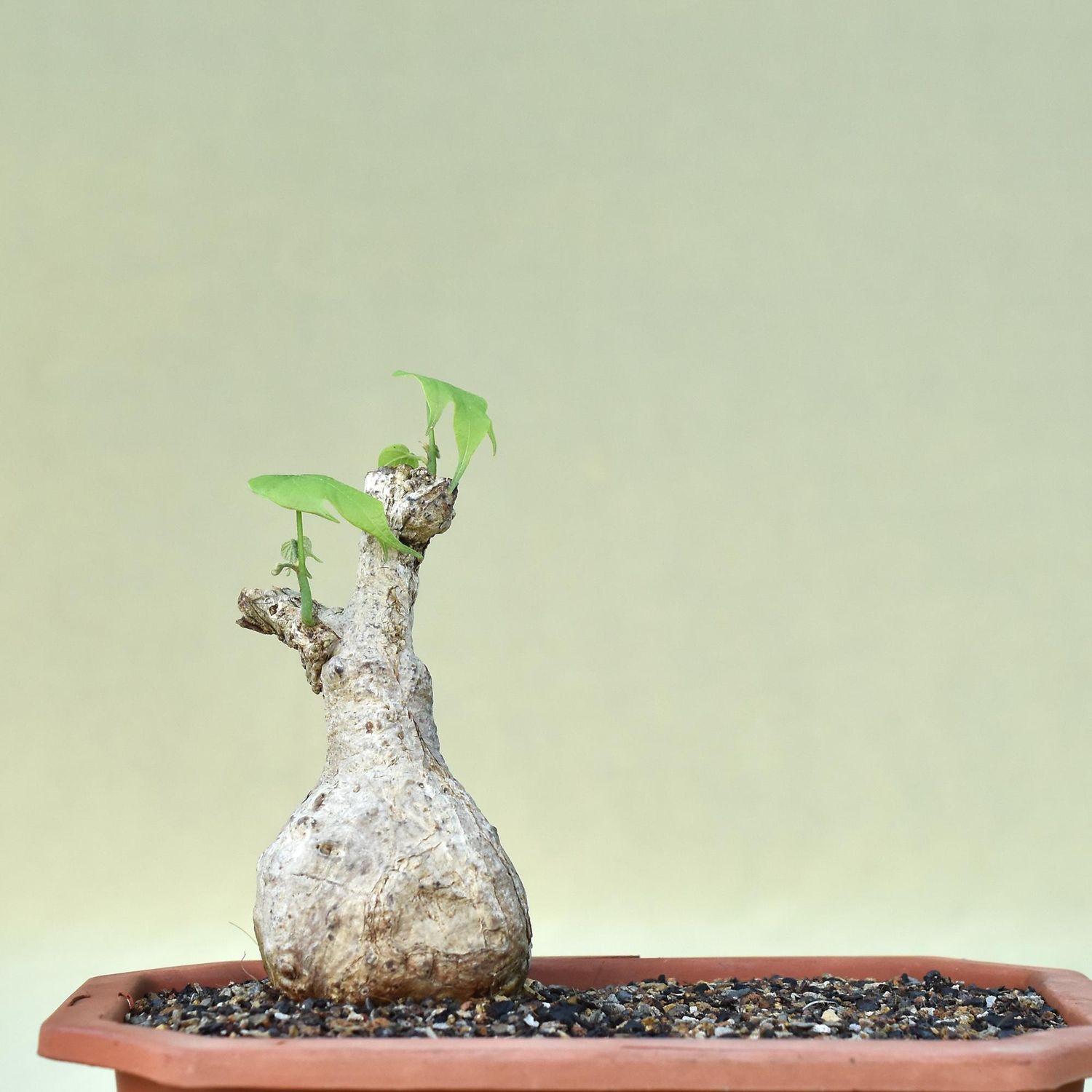
- Morphology: This deciduous tree is celebrated for its pachycaul (thick-stemmed) growth habit, often developing a swollen base or caudex in container cultivation. Its bark is smooth and ash-colored, but the true highlight is the stellate pubescence—microscopic, star-shaped hairs that give the inflorescence a velvety, neon-orange texture. The leaves are palmately lobed, resembling a maple, and emerge only after the spectacular dry-season bloom.
- Habitat & Origin: Sterculia colorata is a wild species native to the mixed dry-deciduous forests of South Asia, particularly the Eastern and Western Ghats of India. It is a slow-growing species that plays a vital role in its local ecosystem.
- Cultivation Profile:
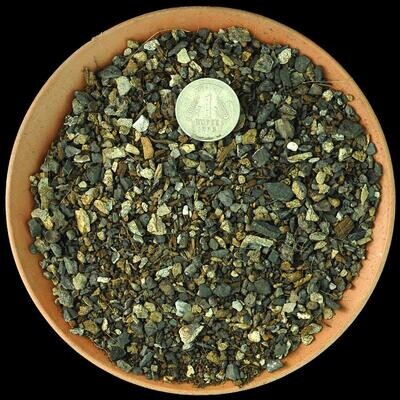
- Substrate: A strictly mineral-based, gritty mix. Use a ratio of 70% volcanic rock or pumice and 30% organic matter to prevent root rot.
- Light: Requires bright, direct sunlight (6–8 hours). In the Indian subcontinent, protect from the harshest mid-day summer sun if grown in small containers.
- Water/Dormancy: Water deeply during the monsoon and summer. It is obligate deciduous; withhold all water once leaves drop in winter to mimic its natural dry-forest dormancy.
- Scientific/Historical Anecdote: In traditional Indian ethno-botany, the bark of Sterculia colorata was historically used to produce a strong fiber for ropes. Scientifically, it is a fascinating example of cauliflory potential, where flowers can appear on older wood, ensuring they are highly visible to pollinators in the leafless canopy of the Indian dry season.
Cactus & Succulent Planting Mix FINE (aka Cactus Soil Mix or Succulent Soil Mix)
Cactus & Succulent Planting Mix FINE (aka Cactus Soil Mix or Succulent Soil Mix)
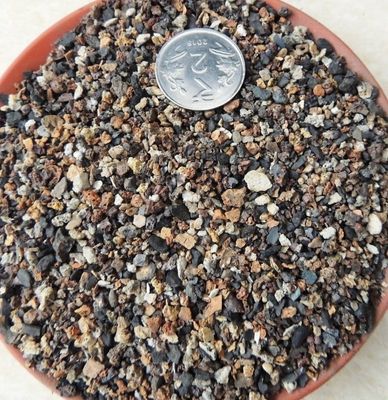
Fine-Grain Potting Mix for Cactus & Succulent Roots
SKU MNS001
₹39.85
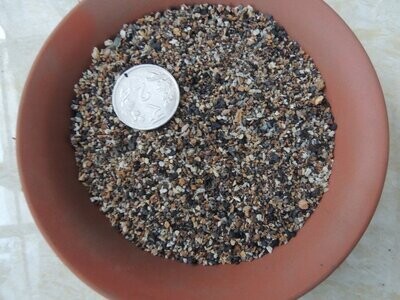
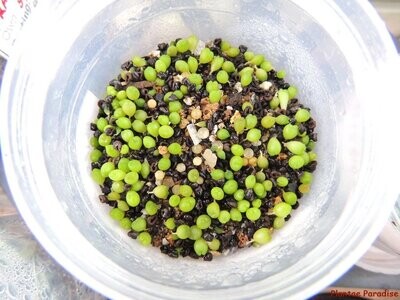
Cactus Seed Planting Mix
Cactus Seed Planting Mix
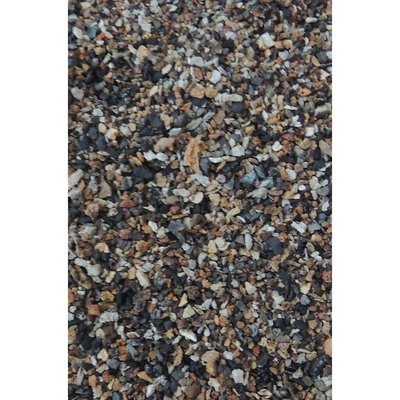
Sterile, Fine-Grain Media for Cactus & Succulent Seeds
SKU MNS005
₹74.85
New


Monsoon Guardian Kit (5 in 1)
Monsoon Guardian Kit (5 in 1)
Complete 5-in-1 biological protection kit for cacti & succulents
SKU MNS024
₹850.00