Origin of Name:
The name Sulcorebutia kruegerii v. hoffmannii reflects both its taxonomic heritage and honoring of notable botanists. The genus Sulcorebutia combines Latin roots: "Sulco" meaning “furrow” or “groove,” referencing the plant’s ribbed surface, and "Rebutia," honoring the Swiss botanist Pierre Rebut. The species "kruegerii" pays tribute to the German botanist Hermann Krüger, who extensively studied cacti in South America in the early 20th century.
The "v. hoffmannii" indicates a specific variety or cultivar named after Johann Hoffmann, a dedicated cactus enthusiast and collector known for his reputation in cultivating and propagating rare cacti. This variation was distinguished due to its unique morphological traits—particularly its more pronounced spines and distinctive flowering pattern—which set it apart from the typical kruegerii.
The naming tradition underscores the combined scientific effort and personal dedication involved in cactus exploration and cultivation, celebrating both historical figures and botanical diversity.
Origin of Plant:
Sulcorebutia kruegerii v. hoffmannii originates from high-altitude regions of Bolivia and northwestern Argentina. It thrives in rocky outcrops, mountain slopes, and arid plateaus where drainage is excellent and microclimates are harsh. Discovered during early 20th-century expeditions—primarily by European explorers and botanists—this plant was later selectively bred and esteemed for horticultural use. Its natural habitat is characterized by extreme drought, high UV exposure, and temperature fluctuations, exemplifying its hardy nature.
The specific variety hoffmannii was identified through cultivated collections and field studies in the mid-20th century, distinguished by its unusually dense spination and vibrant flowering characteristics that appealed to cacti enthusiasts worldwide.
Description:
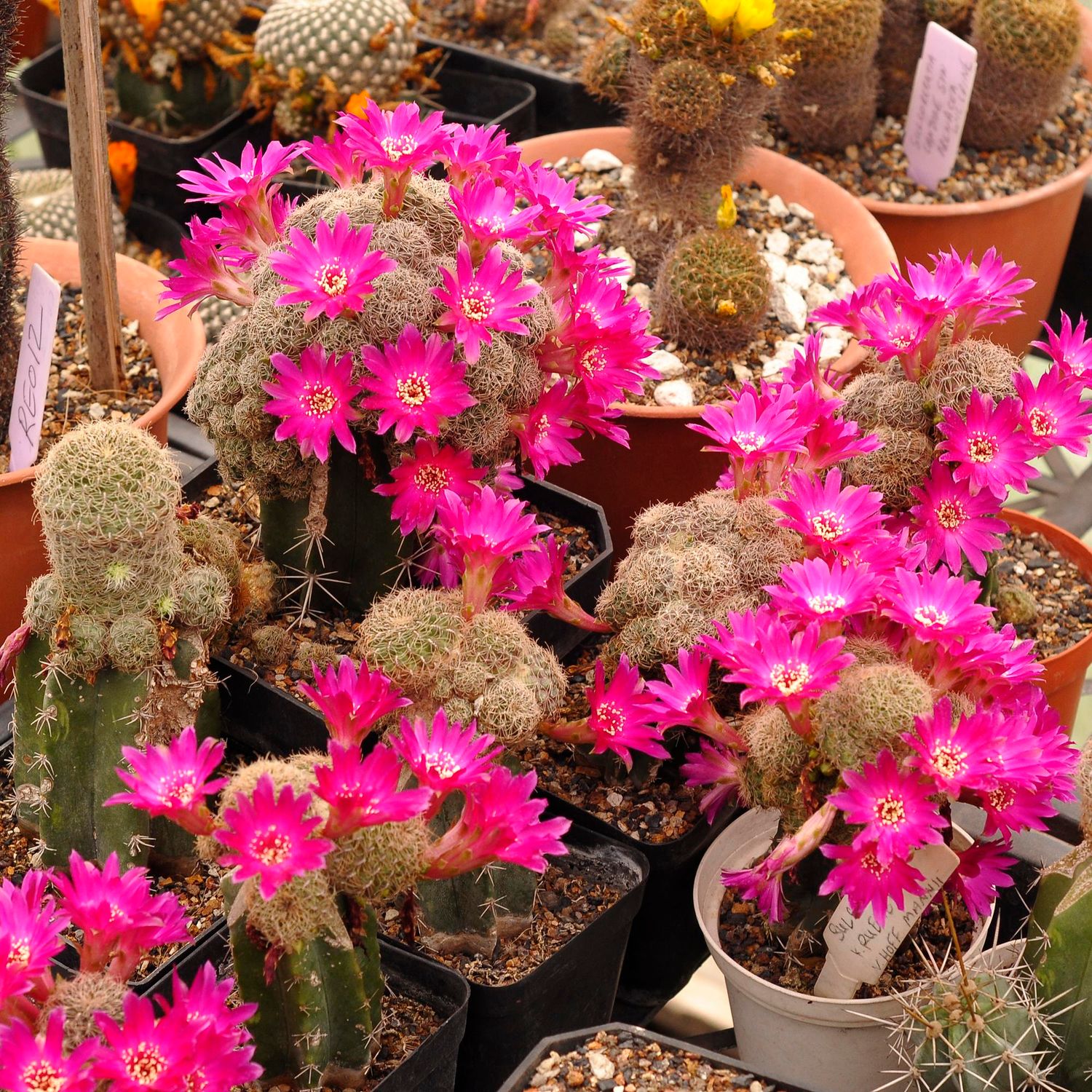
This bulbous, globular cactus typically reaches about 4-8 inches in height and 3-6 inches in diameter. Its surface features a series of prominent ribs, often adorned with dense clusters of white or grayish spines that radiate outward, giving it a striking, textured appearance. Its coloration ranges from a soft bluish-green to a more intense green hue, often highlighted by the contrast of spines.
Sulcorebutia kruegerii v. hoffmannii produces spectacular, large, funnel-shaped flowers in vivid shades of crimson, pink, or orange blooming in spring and early summer. These blooms are often fragrant and appear prominently atop the compact plant, creating a dramatic, ornamental display. The combination of its vibrant flowers and interesting spination makes it highly sought-after among collectors.
Conservation Status:
This cultivar, propagated primarily through cultivation, is not currently threatened or endangered. Wild populations of related species face habitat loss, but responsible cultivation ensures the genetic diversity and availability of this beautiful plant. As with many cacti, sustainable sourcing from reputable nurseries helps preserve natural habitats and promotes conservation efforts.
Care:
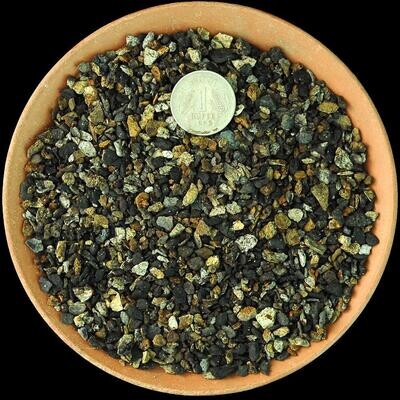
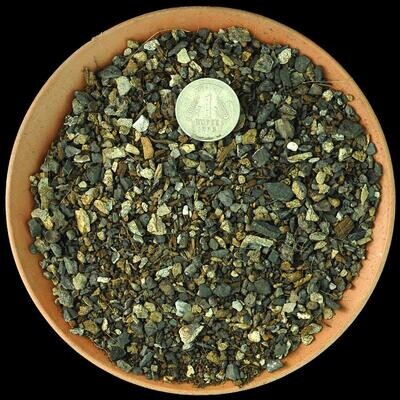
Sulcorebutia kruegerii v. hoffmannii thrives in bright, direct sunlight—aim for at least 4-6 hours daily—to develop its coloration and encourage flowering. Use a well-draining succulent or cactus mix, enriched with coarse sand or grit to prevent root rot. Water sparingly, approximately once every 2-3 weeks during the growing season, allowing the soil to dry completely between waterings. During the winter months, reduce watering to once a month or less. It prefers warm temperatures between 70°F and 85°F (21°C to 29°C) and is sensitive to frost—be sure to protect it from freezing conditions. Good airflow, minimal humidity, and low watering frequency are key to keeping this plant healthy. With appropriate care, it will reward you with vibrant blooms and fascinating form year-round.
Interesting Anecdote:
One fascinating aspect of Sulcorebutia kruegerii v. hoffmannii is its reputation among cactus collectors as a symbol of resilience and beauty in harsh environments. During early expeditions, collectors reported that this cactus often survived in extreme conditions where other plants would perish—making it a botanical emblem of adaptability. Additionally, its vivid flowers are said to have inspired local native tribes in Bolivia, where the plant is used in traditional rituals to honor nature’s resilience. Its historical journey from wild mountain slopes to cultivated pots reflects the enduring human fascination with desert flora—and the dedication of botanists and enthusiasts to preserve and celebrate these remarkable plants.