

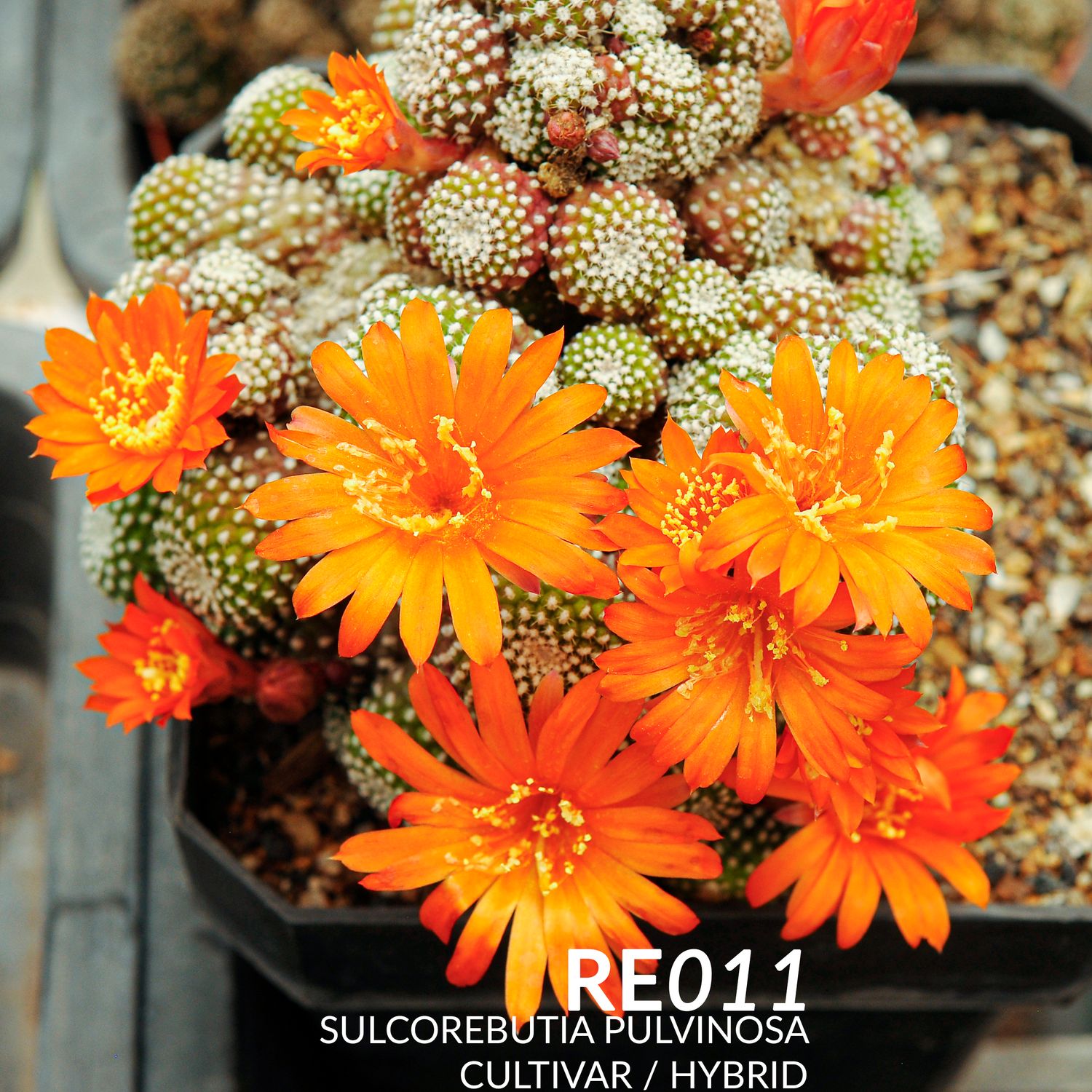
Sulcorebutia Pulvinosa Cultivar / Hybrid
Product Details
Geometric Profusion: Sulcorebutia pulvinosa Cultivar
This high-altitude hybrid transforms into a dense, mounding cushion of vibrant geometric symmetry and prolific seasonal blooms.
- Origin & History of Name: The genus name Sulcorebutia is derived from the Latin sulcus (groove), referring to the characteristic furrow found above the areoles, and Rebutia, honoring the French cactus specialist Pierre Rebut.
The specific epithet pulvinosa stems from the Latin pulvinus (cushion), describing its growth habit. This particular cultivar represents a lineage selected by breeders for enhanced clustering and floral intensity. - Morphology: This plant is characterized by a globose epidermis that offsets heavily to form a "pulvinate" or cushion-like colony. Unlike many cacti, it lacks continuous costae (ribs), featuring instead distinct, spirally arranged tubercles. Each tubercle is topped with a narrow areole bearing pectinate (comb-like) spines that lie flat against the body. This cultivar is prized for its ability to produce a ring of funnel-shaped flowers from the base of the stems rather than the apex.
- Habitat & Origin: While the botanical species is native to the high-elevation rocky outcrops of Chuquisaca, Bolivia, this plant is a cultivar/hybrid developed in a controlled nursery environment. It has been bred for vigor and ornamental consistency. These specimens are produced through sustainable ex-situ cultivation, ensuring no disruption to the vulnerable high-Andean populations.
- Cultivation Profile:
- Substrate: Requires an acidic, mineral-heavy mix. Use a blend of 80% volcanic grit (lava rock or pumice) and 20% aged leaf mold. Avoid lime or calcium-heavy additives.
- Light: Thrives in bright, indirect light with high UV exposure.
In the Indian plains, provide 50% shade cloth protection during summer to prevent epidermal scorching, while maximizing light in winter. - Water/Dormancy: Strictly seasonal irrigation. Provide deep watering during the spring and late monsoon. Maintain a bone-dry cool dormancy from November to February; this temperature drop is essential to trigger the following year's flower buds.
- Scientific/Historical Anecdote: For decades, Sulcorebutia was a subject of intense taxonomic debate, often being merged into Weingartia or Rebutia. DNA sequencing eventually revealed their unique evolutionary path shaped by the "Sky Islands" of the Andes—isolated mountain peaks where species evolved in total geographic isolation, much like Darwin’s finches, leading to the incredible diversity of forms seen in modern hybrids.

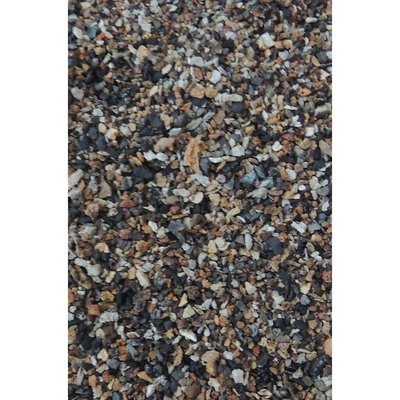
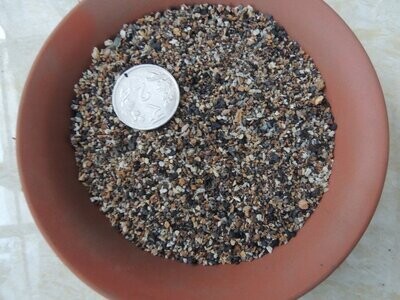
Cactus & Succulent Planting Mix FINE (aka Cactus Soil Mix or Succulent Soil Mix)
Cactus & Succulent Planting Mix FINE (aka Cactus Soil Mix or Succulent Soil Mix)
Fine-Grain Potting Mix for Cactus & Succulent Roots
SKU MNS001
₹39.85
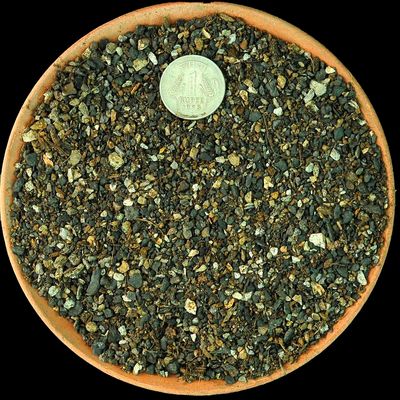
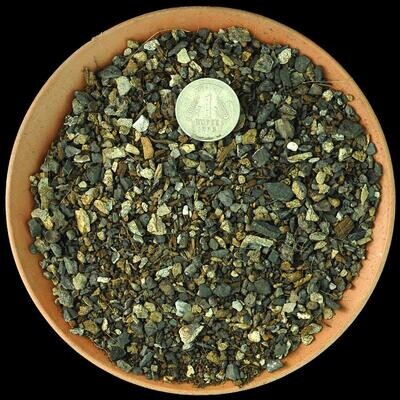
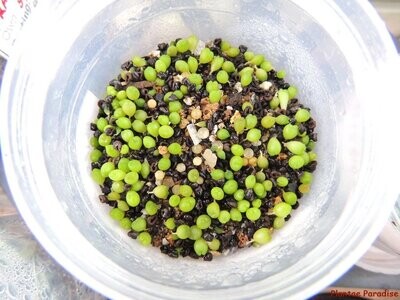
Cactus Seed Planting Mix
Cactus Seed Planting Mix
Sterile, Fine-Grain Media for Cactus & Succulent Seeds
SKU MNS005
₹74.85