

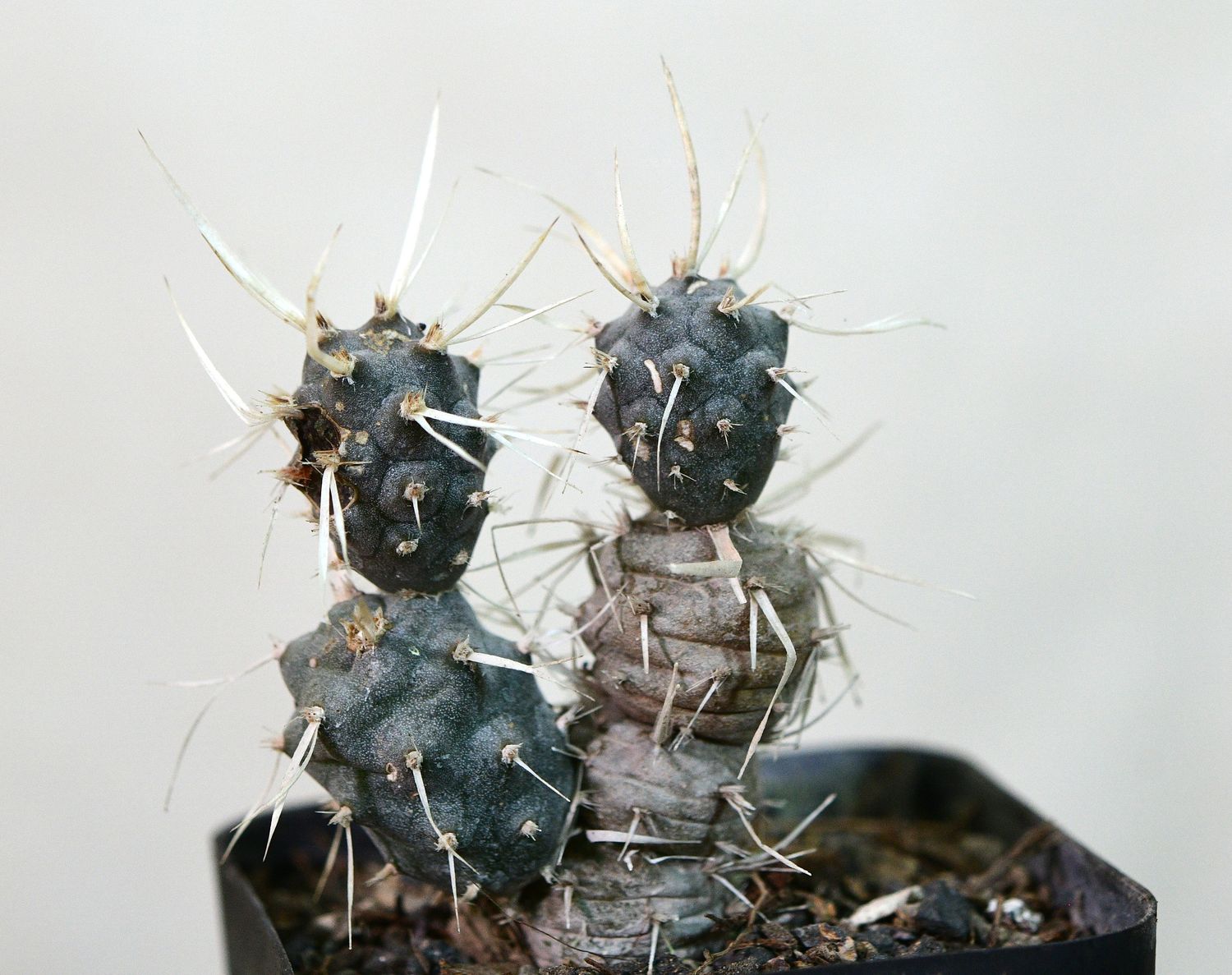
Tephrocactus Articulatus var. Papyracanthus
Product Details
Paper-Spined Paradox: Tephrocactus articulatus var. papyracanthus
A structural masterpiece featuring harmless, parchment-like spines that redefine the traditional cactus aesthetic.
- Origin & History of Name: The genus name Tephrocactus is derived from the Greek tephra (ash), describing the grayish, ash-colored epidermis of many species. The specific epithet articulatus (Latin for "jointed") refers to the easily detached segments. The varietal name papyracanthus combines the Greek papyros (paper) and akantha (spine), accurately describing the unique, ribbon-like appendages that lack the rigidity of standard cactus spines.
- Morphology: This specimen is characterized by its articulated globose segments that grow in a stacked formation. The epidermis is typically a dull gray-green, devoid of costae (ribs) but covered in small tubercles. Its most defining feature is the papery glochids: wide, flexible, non-pungent spines that can reach several centimeters in length. These are not true leaves but modified spine structures that provide shade to the plant body.
- Habitat & Origin: This is a wild variety native to the high-altitude, arid regions of Western Argentina. It thrives in rocky, mineral-poor soils in the foothills of the Andes. Our nursery-propagated specimens are grown from controlled cuttings, ensuring that wild Argentinian populations remain undisturbed and protected from over-harvesting.
- Cultivation Profile:
- Substrate: Use a highly inorganic, mineral-based mix (80% pumice, volcanic rock, or coarse sand and 20% organic matter). Excellent drainage is critical to prevent base rot.
- Light: Requires full sun to very bright indirect light. In the Indian subcontinent, provide maximum light to maintain compact growth; however, protect from extreme heatwaves above 45°C to avoid dehydration of the segments.
- Water/Dormancy: Extremely drought-tolerant. Follow a minimalist watering schedule, allowing the pot to remain dry for extended periods. During the Indian winter and monsoon, withhold water completely to honor its obligate dormancy and prevent segment drop.
- Scientific/Historical Anecdote: Tephrocactus articulatus has developed a unique "fragile" survival strategy. The joints are designed to detach at the slightest touch from passing animals. While this seems like a weakness, it is actually a form of asexual reproduction; the fallen segments quickly take root where they land, allowing the plant to colonize new territory without the energy expenditure of seed production.

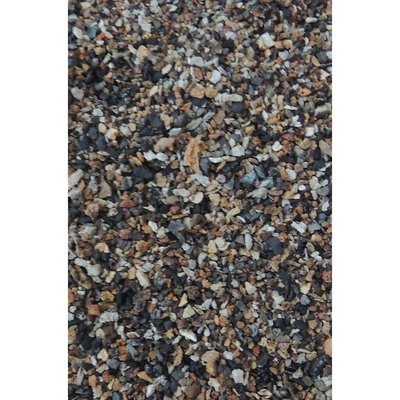
Cactus & Succulent Planting Mix FINE (aka Cactus Soil Mix or Succulent Soil Mix)
Cactus & Succulent Planting Mix FINE (aka Cactus Soil Mix or Succulent Soil Mix)
Fine-Grain Potting Mix for Cactus & Succulent Roots
SKU MNS001
₹39.85
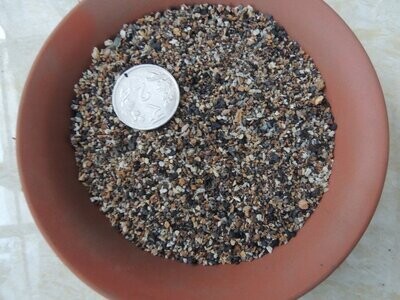
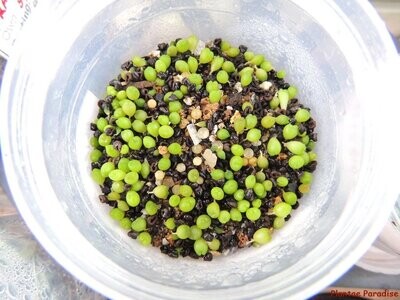
Cactus Seed Planting Mix
Cactus Seed Planting Mix
Sterile, Fine-Grain Media for Cactus & Succulent Seeds
SKU MNS005
₹74.85

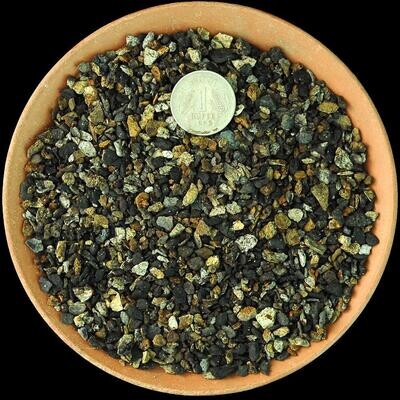
Cactus & Succulent Planting Mix COARSE (aka Cactus Soil Mix or Succulent Soil Mix)
Cactus & Succulent Planting Mix COARSE (aka Cactus Soil Mix or Succulent Soil Mix)
Washed, Free-Draining Mineral Mix for Cactus & Succulents
SKU MNS003
₹44.85