The Rare Copper-Tufted Gem: Tephrocactus molinensis
A visually striking, slow-growing collector's piece defined by its unique segmented growth and contrasting tufts of reddish-copper glochids.
1. Origin & History of Name The genus name Tephrocactus is derived from the Greek word tephra, meaning "ash" or "gray," referring to the dull, ashy color typical of the type species (T. diadematus).
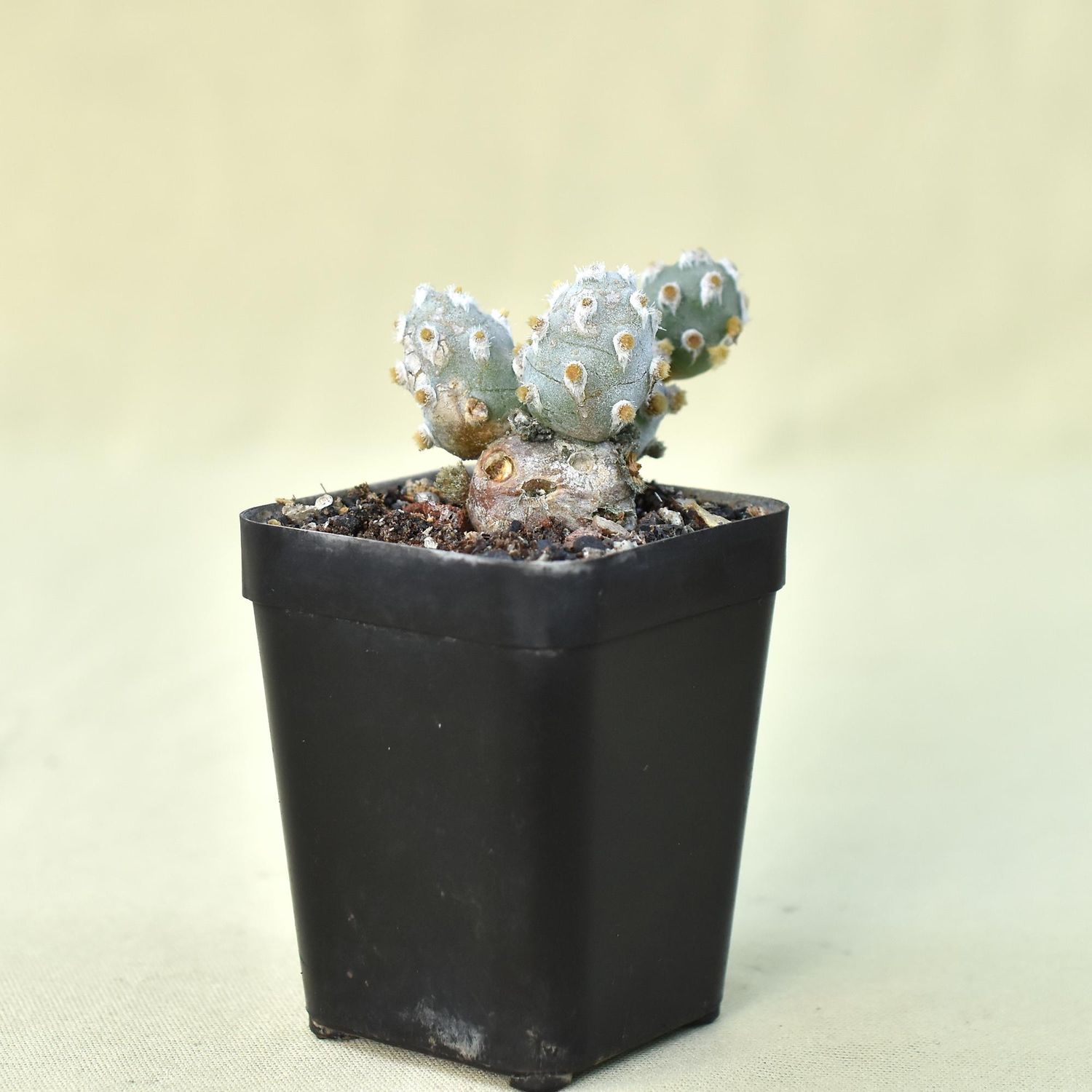
2. Morphology This species forms small, branching clumps of globose (spherical) to ovoid segments that detach easily.
3. Habitat & Origin This is a pure wild species, endemic to the high-altitude arid valleys of Salta, Argentina.
4. Cultivation Profile
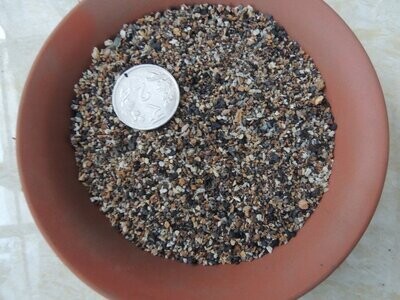
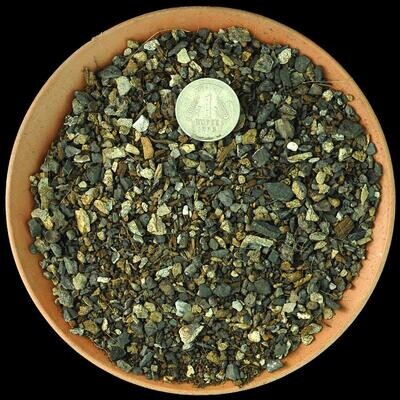
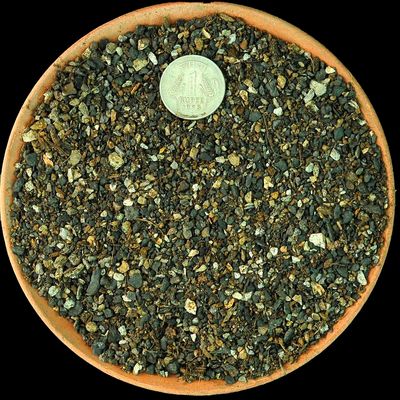
- Substrate: Requires a strictly mineral-based, non-organic mix. Use 70-80% grit (pumice, perlite, or river sand) and only 20% distinct soil or cocopeat to ensure rapid drainage.
- Light: Thrives in bright, full sunlight. In the Indian plains, provide filtration during peak May/June afternoons to prevent scorching, but maximize exposure otherwise to maintain compact, colorful segment growth.
- Water & Dormancy: Highly rot-prone. Water sparingly only when the substrate is bone dry. During the Indian monsoon, keep the plant strictly dry and sheltered from humidity. Reduce watering significantly in winter to induce a necessary dormancy period.
5. Scientific/Historical Anecdote The genus Tephrocactus is evolutionarily distinct for its reproductive strategy involving "fragile joints." In the wild, segments of T. molinensis are loosely attached and break off at the slightest touch or disturbance by passing animals. This allows the detached segment to be carried away and root elsewhere, acting as a primary method of vegetative propagation in its harsh native environment.