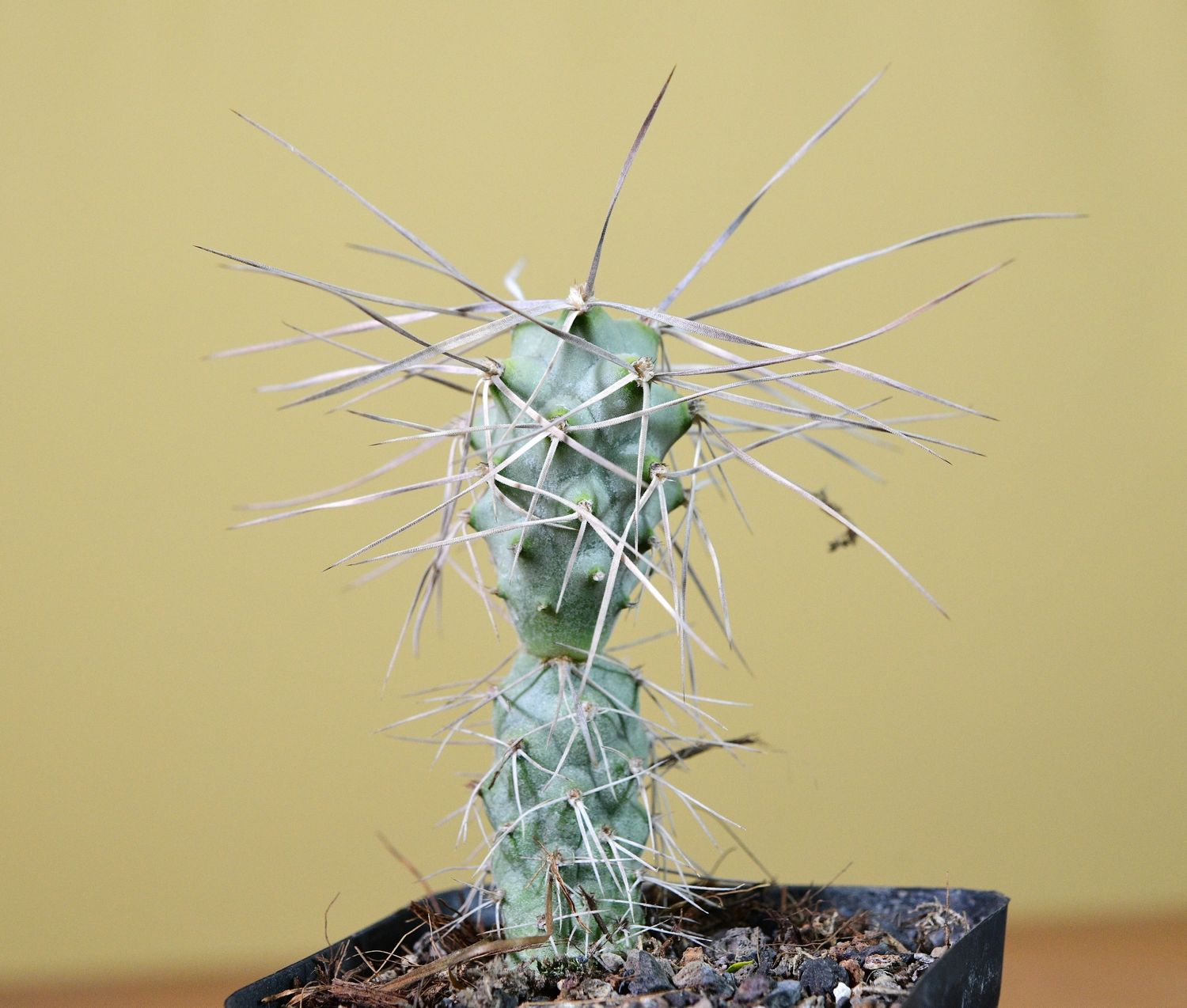
A collector's curiosity that looks more like a firework caught mid-burst than a cactus — the Paper Spine Cactus carries no menace in its "spines" at all. Touch them and you'll find not the bite of a needle but the soft, dry crinkle of straw, radiating in wild, silvery arcs from a small, unassuming pinecone-shaped body. This particular cultivar has been selected for spines of exceptional length, flatness, and fineness, pushing the species' strangest trait to its most theatrical extreme.
Origin of Name
The genus name Tephrocactus draws on the Greek tephra, meaning "ash," a nod to the pale, ash-grey cast of the plant's epidermis. The species epithet articulatus is Latin for "jointed" or "articulated," describing the way the stem grows in a loose chain of separate, easily detached segments rather than a single continuous body.
The variety this plant belongs to — long known in cultivation as papyracanthus — takes its name from the Latin papyrus (paper) and the Greek akantha (thorn): quite literally, "paper-spined." It was first described in the nineteenth century by Rodulfo Amando Philippi, the German-born naturalist who spent much of his career cataloguing the flora of Chile and Argentina, as Opuntia papyracantha. The German botanist Curt Backeberg later folded it into Tephrocactus articulatus as a variety in the mid-twentieth century, and while modern taxonomy no longer recognizes papyracanthus as a formally distinct variety — treating it instead as one striking form within a highly variable species — the name endures in horticulture precisely because it captures the plant so well. Older synonyms scattered through the literature include Cereus articulatus, Opuntia diademata, and Opuntia strobiliformis, evidence of a plant that confused and delighted botanists in roughly equal measure. Common names in circulation include Paper Spine Cactus, Paper Spine Cholla, and, in parts of its native range, huevos de indio.
Origin of Plant
This plant is native to the arid, high-altitude scrublands of northwestern and north-central Argentina, found across the provinces of Catamarca, Córdoba, La Rioja, Mendoza, Salta, San Luis, and Santiago del Estero. It grows on poor, stony, fast-draining ground in prepuna and Andean foothill habitats, where the climate swings between a bone-dry, cool winter and a summer of brief, sparse rains, and where daily temperature shifts between sun and shade are extreme. This is tough, sun-blasted country, and the plant's compact, segmented form and reduced water needs are a direct answer to it.
Description
The body grows as a loose stack of small, pinecone-shaped segments, each studded with prominent conical tubercles and clothed in an ashy green to grey-green skin built for reflecting harsh sun. The segments attach to one another only tenuously and detach with the slightest touch — a trait that looks accidental but is in fact a deliberate survival strategy. What sets this cultivar apart, though, is the spination: rather than rigid needles, the areoles produce broad, flattened, ribbon-like growths with the texture and flexibility of dried paper or fine straw. In this particular selection those spines run exceptionally long, flat, and thin, fanning out from the small stem in dramatic, wayward arcs that can dwarf the plant body many times over — part sea urchin, part firework, entirely unlike anything else in a cactus collection. Given the right conditions, mature plants produce funnel-shaped flowers in white with soft yellow centers, opening from the areoles near the growing tips.
Conservation Status
As a member of the family Cactaceae, this species falls under CITES Appendix II, which governs international trade in wild-collected specimens to guard against over-harvesting pressure on native Argentine populations. Artificially propagated specimens, such as this one, fall outside the concerns driving that listing and may be traded and enjoyed without contributing to wild collection.
Care
- Light: Full sun is essential for tight, healthy growth and the best spine development; some protection from the harshest afternoon sun in extreme heat prevents scorching.
- Watering: Water generously during the warm growing season, but always allow the soil to dry out completely between waterings; cut back sharply in winter, when the plant should be kept nearly dry.
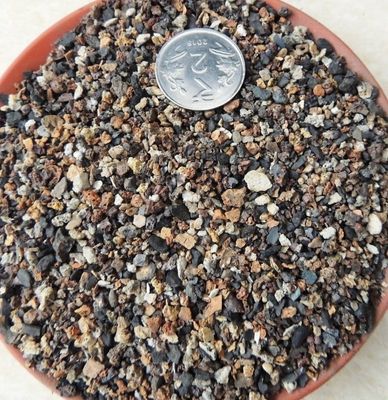
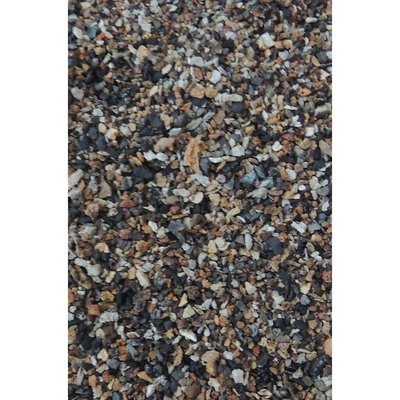
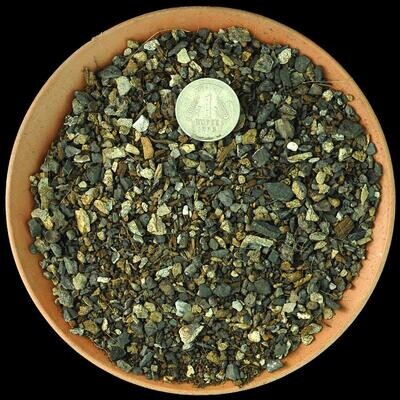
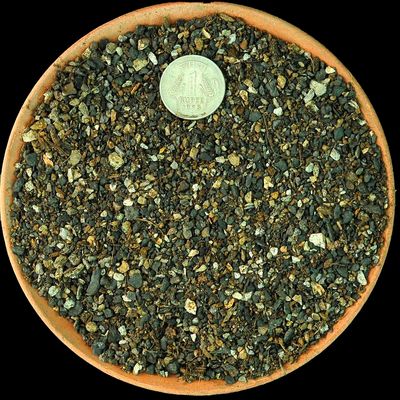
- Soil: A fast-draining, mineral-rich cactus mix is essential — this plant resents sitting in moisture.
- Pot: Terracotta is strongly preferred over plastic, as it wicks away excess moisture and helps prevent rot.
- Temperature: Tolerant of cool conditions and light frost once established, but protracted cold combined with wet soil is the real danger, not the cold itself.
- Feeding: Feed sparingly during the growing season with a low-nitrogen, high-potassium fertiliser formulated for cacti and succulents.
A Story Worth Telling
The loosely attached segments that make this plant so easy to accidentally dismantle are, in fact, its entire reproductive strategy. In the wild, a passing animal — or simply a strong gust of wind across the open prepuna — dislodges a segment, which rolls or is carried off to root wherever it lands. The long, straw-like spines of this cultivar likely play a part in that journey too, acting less like weapons and more like sails or grappling hooks, catching fur, wind, or a rolling tumble across stony ground. Collectors sometimes call plants of this type the "dandelion of the cactus world" for exactly this reason — a body built not to fight, but to scatter itself across the desert one papery, wind-caught piece at a time.