The "Glory of Texas" — Thelocactus bicolor
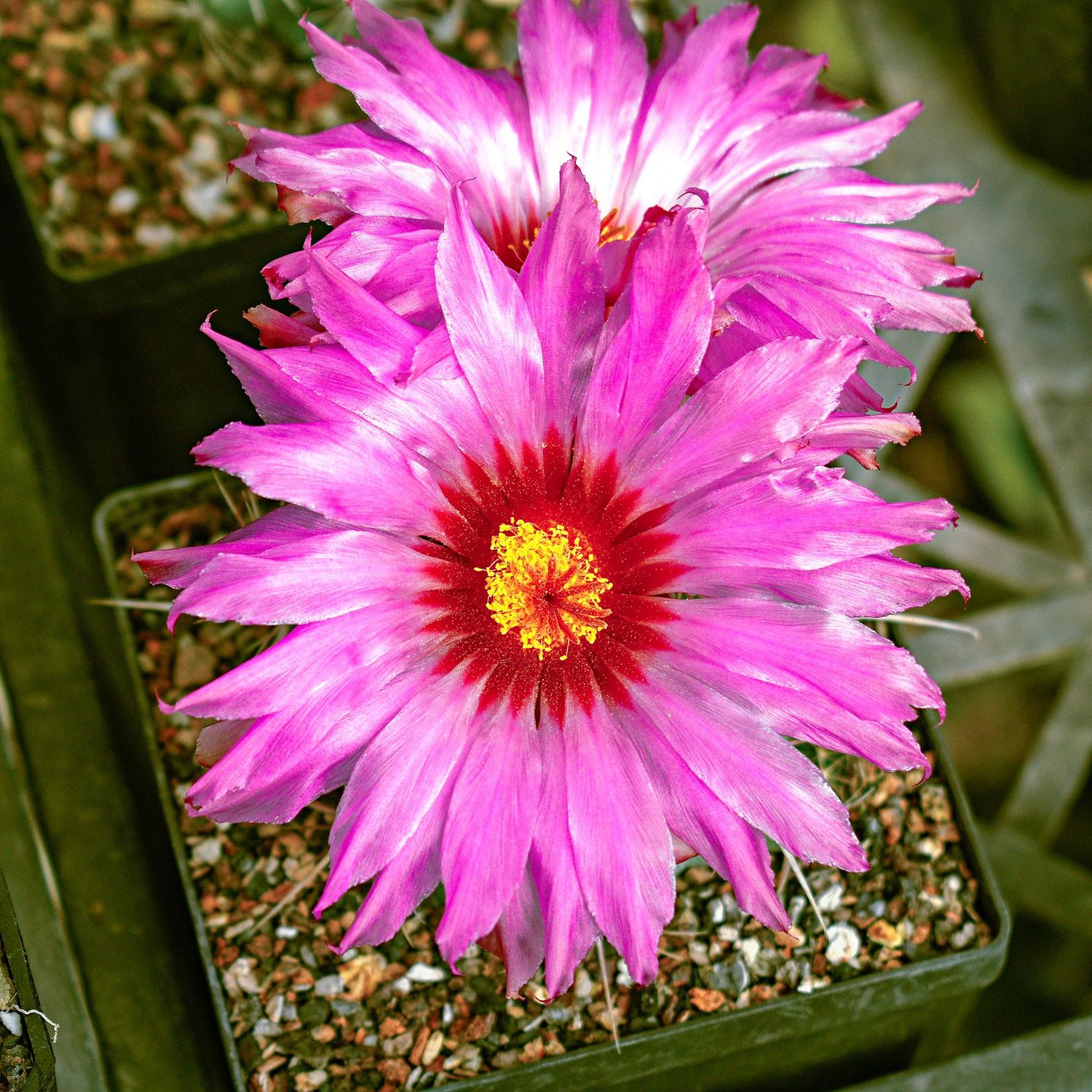
A striking desert specimen celebrated for its architectural multi-colored spines and disproportionately large, brilliant magenta blooms.
1. Origin & History of Name The genus name Thelocactus is derived from the Greek word thele (nipple) and kaktos, referring to the plant's prominent tubercles (wart-like projections) rather than continuous ribs.
2. Morphology This species forms a solitary, globose to short-cylindrical stem with an epidermis ranging from green to grey-green. It features 8 to 13 distinct ribs deeply divided into tubercles.
3. Habitat & Origin This is a wild species native to the Chihuahuan Desert, spanning Southern Texas (USA) and Northern Mexico (Coahuila, Durango, Nuevo León).
4. Cultivation Profile
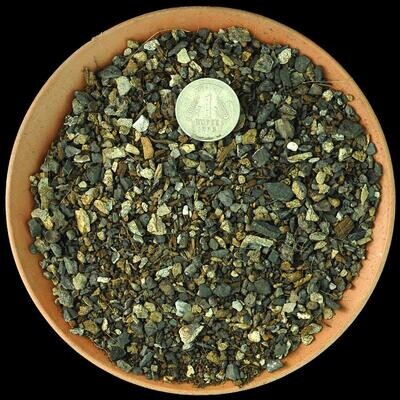
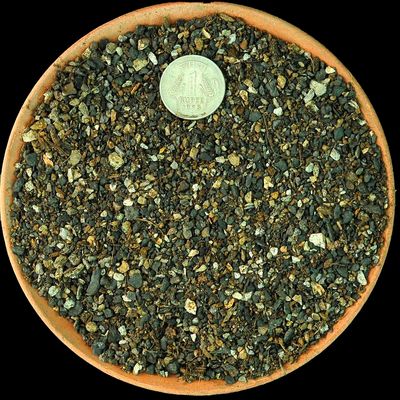
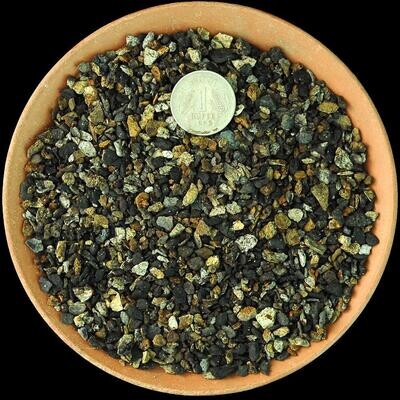
- Substrate: Requires a highly porous, mineral-based mix (e.g., 70% pumice, gravel, or perlite with 30% sterile soil) to ensure rapid drainage.
- Light: Thrives in full sunlight to maintain heavy spine density.
- Water/Dormancy: Water thoroughly only when the substrate is bone dry. Crucial for India: Keep completely dry during the winter dormancy (November–February) and shield strictly from monsoon rains to prevent root rot.
5. Scientific/Historical Anecdote Thelocactus serves as a fascinating morphological link in cactus evolution. While it possesses ribs like the Ferocactus or Echinocactus genera, its distinct tubercles suggest a closer evolutionary relationship to Mammillaria. This intermediate structure makes T. bicolor a frequent subject of study regarding convergent evolution in arid-adapted flora.