1. Origin of Name:
The genus "Thelocactus" derives from Greek roots—"thelos," meaning "nipple" or "protuberance," and "cactus," referring to its family. The species "bicolor" indicates its characteristic two-colored flowers or surface. The subspecies "heterochromus" comes from Greek, where "hetero" means "different," and "chromos" means "color," highlighting the plant’s distinctive color variations or mottled patterns on its spines and tubercles. This subspecies’s name underscores its unique, variegated appearance, setting it apart from the typical form and showcasing nature’s diversity.
2. Origin of Plant:
Thelocactus bicolor subsp. heterochromus is native to the rocky deserts of northeastern Mexico, specifically in regions of Coahuila and Nuevo León. It thrives in rugged, well-drained soils of rocky slopes and desert plains, often in areas with high sun exposure. Discovered and classified during botanical studies of Mexican desert flora, this subspecies is celebrated for its striking, diverse coloration and adaptation to extreme conditions.
3. Description:
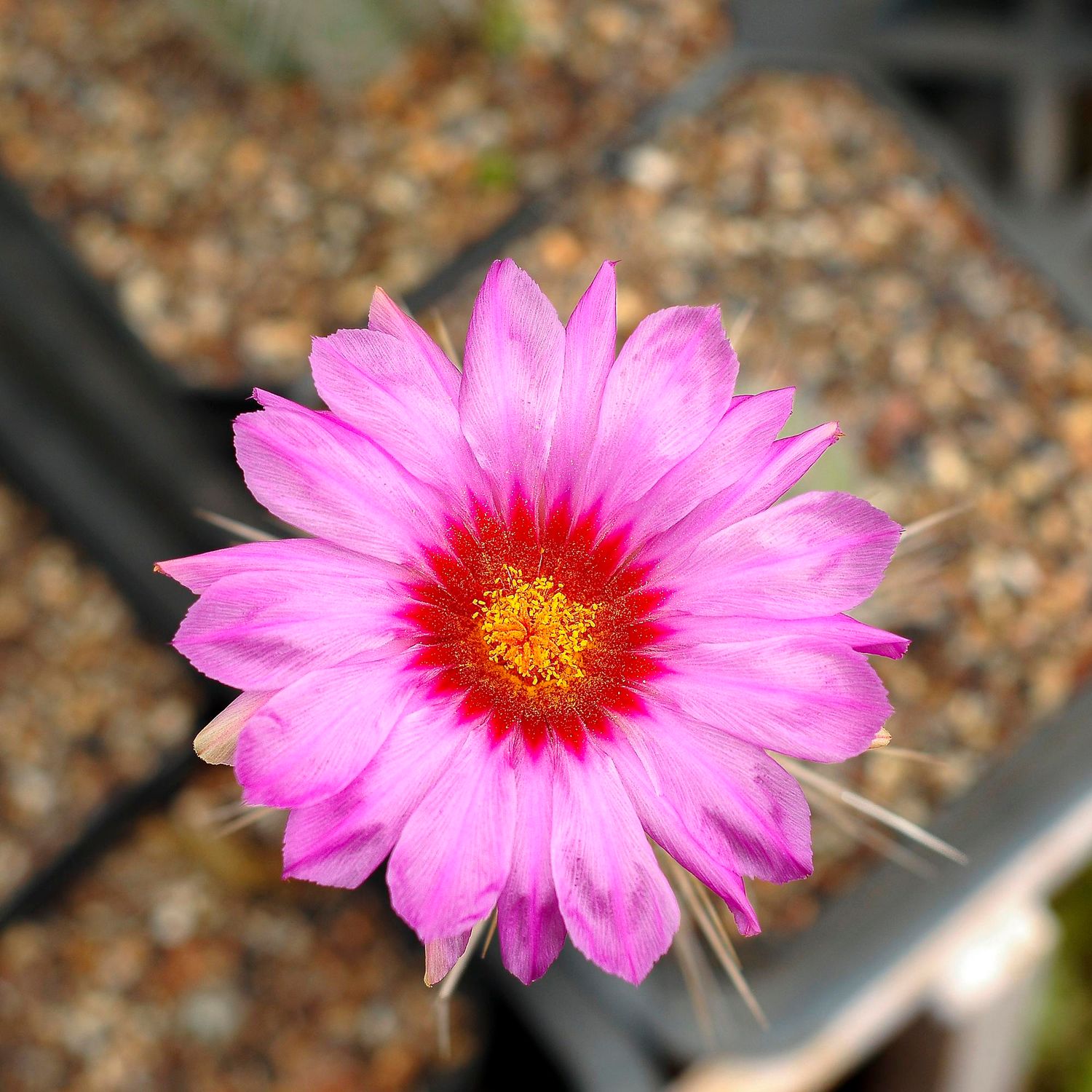
This small, globular cactus measures approximately 4-6 inches across and features prominent, tubercled ridges covered with tufts of fine, whitish or yellowish spines. What sets it apart is its variegated or mottled coloring — the spines and tubercles often display a mix of different shades, such as yellow, brown, or darker hues, creating a visually intricate pattern. The large, showy flowers bloom in spring or early summer, usually in contrasting bright colors like yellow, orange, or red, further enhancing its ornamental appeal. Its unique coloration and textured surface make it a captivating specimen for collectors seeking unusual desert plants.
4. Conservation Status:
While not currently endangered, the wild populations of Thelocactus bicolor subsp. heterochromus can be vulnerable to habitat disturbance and illegal collection. Promoting cultivation and responsible propagation helps conserve this stunning subspecies and prevents pressure on wild populations, ensuring its beauty remains available for future enthusiasts.
5. Care:
To cultivate Thelocactus bicolor subsp. heterochromus effectively:
- Watering: Water sparingly, allowing the soil to dry out completely between waterings. Reduce watering during winter dormancy.
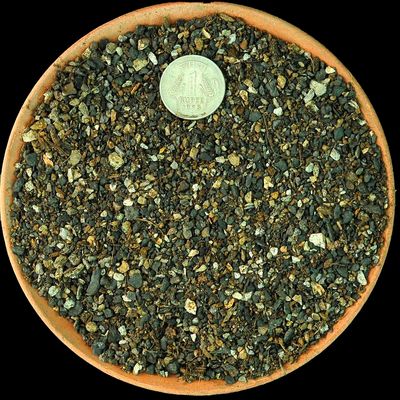
- Soil: Use a fast-draining cactus or succulent mix with added coarse sand, perlite, or gravel.
- Light: Requires full sun or bright, direct sunlight for at least 4-6 hours daily to develop vibrant colors and promote flowering.
- Temperature: Prefers warm temperatures between 65°F (18°C) and 85°F (29°C). Protect from frost—bring indoors or provide winter cover in cooler climates.
- Tips: Fertilize lightly during active growth with a cactus fertilizer, and inspect regularly for pests like spider mites and mealybugs.