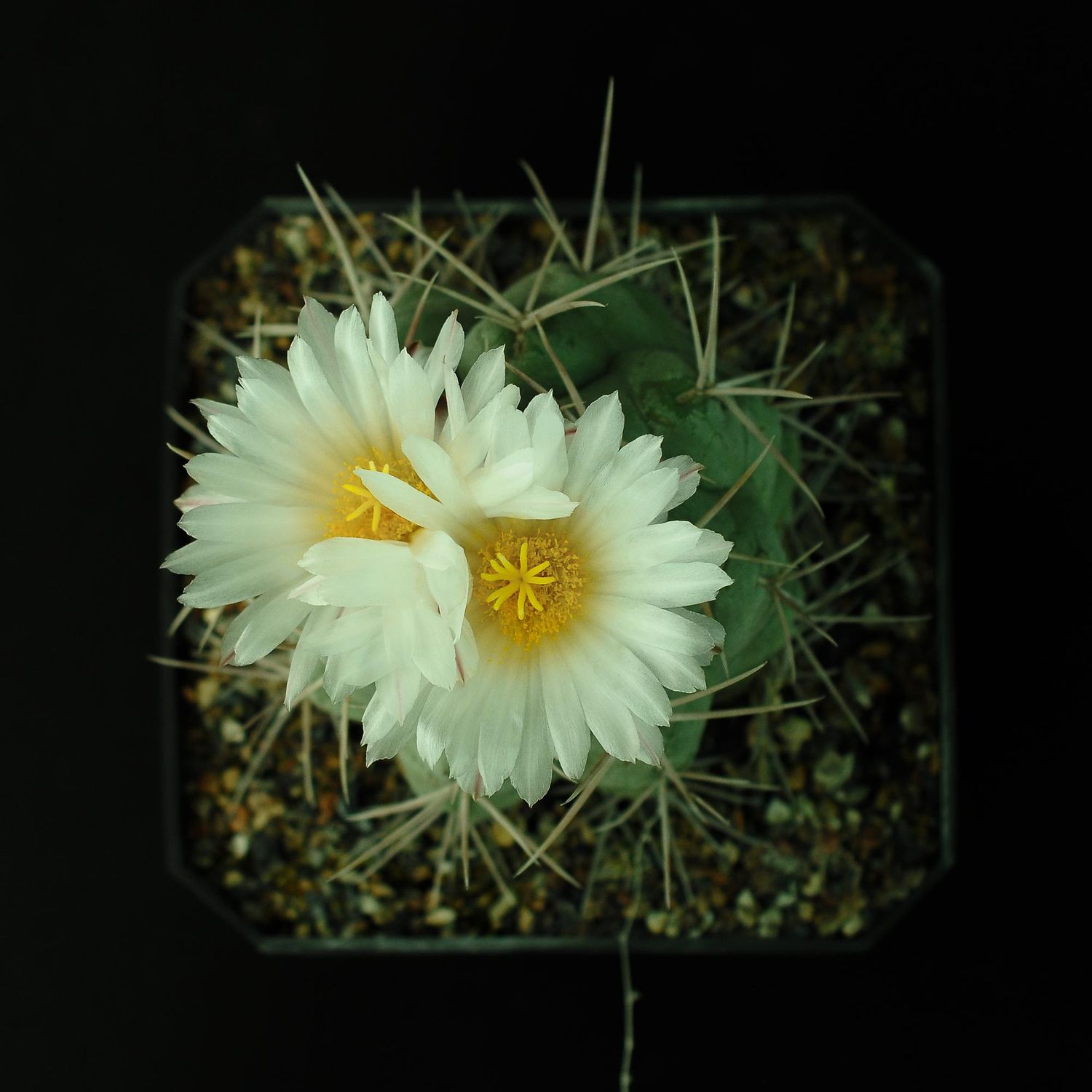
Thelocactus hexaedrophorus
Product Details
Geometric Precision: Thelocactus hexaedrophorus
A sculptural masterpiece of the Chihuahuan Desert, prized for its distinctively tessellated tubercles and silken blooms.
- Origin & History of Name: The genus name Thelocactus is derived from the Greek thele (nipple), referring to the nipple-like tubercles that characterize the plant.
The specific epithet hexaedrophorus combines the Greek hexaedra (six-sided) and phorus (bearing), a nod to the unique, near-hexagonal geometry of its tubercles. It was formally described in the mid-19th century, notably by botanist Charles Lemaire, who identified its distinct mathematical growth pattern compared to other globular cacti. - Morphology: This solitary, globose cactus is distinguished by its glaucous epidermis (a waxy, blue-grey coating) and large, flattened tubercles.
Unlike many cacti with continuous costae (ribs), this species features prominent, angular protrusions arranged in a spiral. From the areoles (growth points) emerge strong, variably colored spines, while the apex produces large, funnel-shaped flowers ranging from pure white to silvery-pink. - Habitat & Origin: This is a wild species native to the high-altitude Chihuahuan Desert in Central and Northern Mexico (specifically San Luis Potosí and Nuevo León).
Our specimens are nursery-propagated from seed to ensure the protection of wild populations and to comply with sustainability standards, as wild-harvesting is strictly regulated due to habitat loss. - Cultivation Profile:
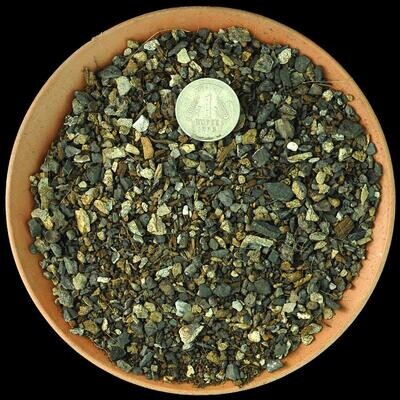
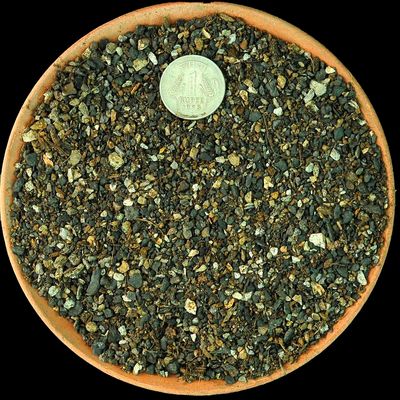
- Substrate: A strictly mineral-based mix is required. Use 70% inorganic material (pumice, perlite, or crushed brick) and 30% organic matter to ensure rapid drainage.
- Light: In the Indian context, it requires full morning sun but thrives best under 30% shade cloth during the extreme heat of April to June to prevent epidermis scorching.
- Water/Dormancy: Water deeply only when the substrate is bone-dry. During the monsoon, maintain strict dryness to avoid root rot. In winter (November–February), enforce a dry dormancy to encourage spring flowering.
- Scientific/Historical Anecdote: Thelocactus hexaedrophorus is considered a "type species" for the genus, meaning it serves as the definitive reference for what constitutes a Thelocactus.
Botanically, it is noted for its high morphological variability; plants from different hillsides in Mexico can show vastly different spine colors, leading early 20th-century collectors to mistakenly classify them as dozens of different species.
New
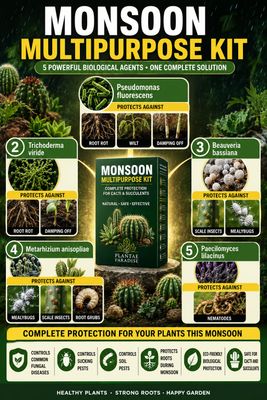
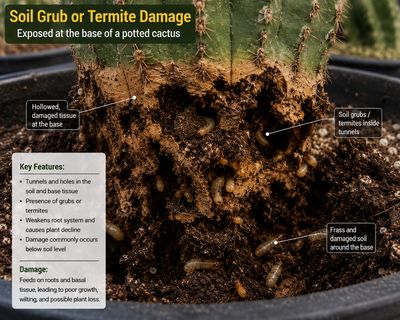
Monsoon Guardian Kit (5 in 1)
Monsoon Guardian Kit (5 in 1)
Complete 5-in-1 biological protection kit for cacti & succulents
SKU MNS024
₹850.00
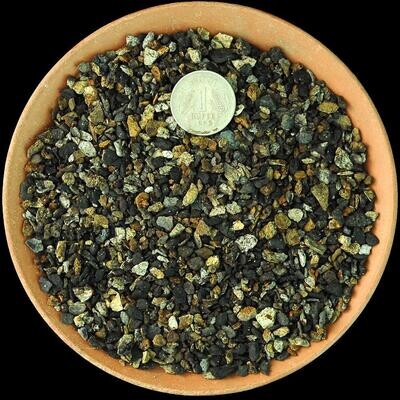
Cactus & Succulent Planting Mix COARSE (aka Cactus Soil Mix or Succulent Soil Mix)
Cactus & Succulent Planting Mix COARSE (aka Cactus Soil Mix or Succulent Soil Mix)
Washed, Free-Draining Mineral Mix for Cactus & Succulents
SKU MNS003
₹44.85