1. Origin of Name:
The genus "Thelocactus" originates from Greek roots—"thelos," meaning "nipple" or "protuberance," and "cactus," referring to its family. The species "rinconensis" is derived from the Rincon region in Mexico, where the plant was first discovered or is commonly found. The subspecies "multicephalus" combines Latin "multi," meaning "many," and "cephalus," meaning "heads," indicating the plant’s characteristic of forming multiple heads or clusters. The designation "HO409 Puentes, NL (Jaromir)" refers to its collection location and collector, highlighting its specific provenance from Puentes, Nuevo León, and associated with collector Jaromir, emphasizing its rarity and precise origin.
2. Origin of Plant:
This subspecies is native to northern Mexico, particularly to the rocky outcrops and desert slopes of Nuevo León. It thrives in well-drained, rocky soils and often forms dense clusters or heads, creating a striking, multi-headed cactus. Discovered during botanical explorations of Mexican deserts, it exemplifies the diverse and adaptive nature of region-specific cactus species.
3. Description:
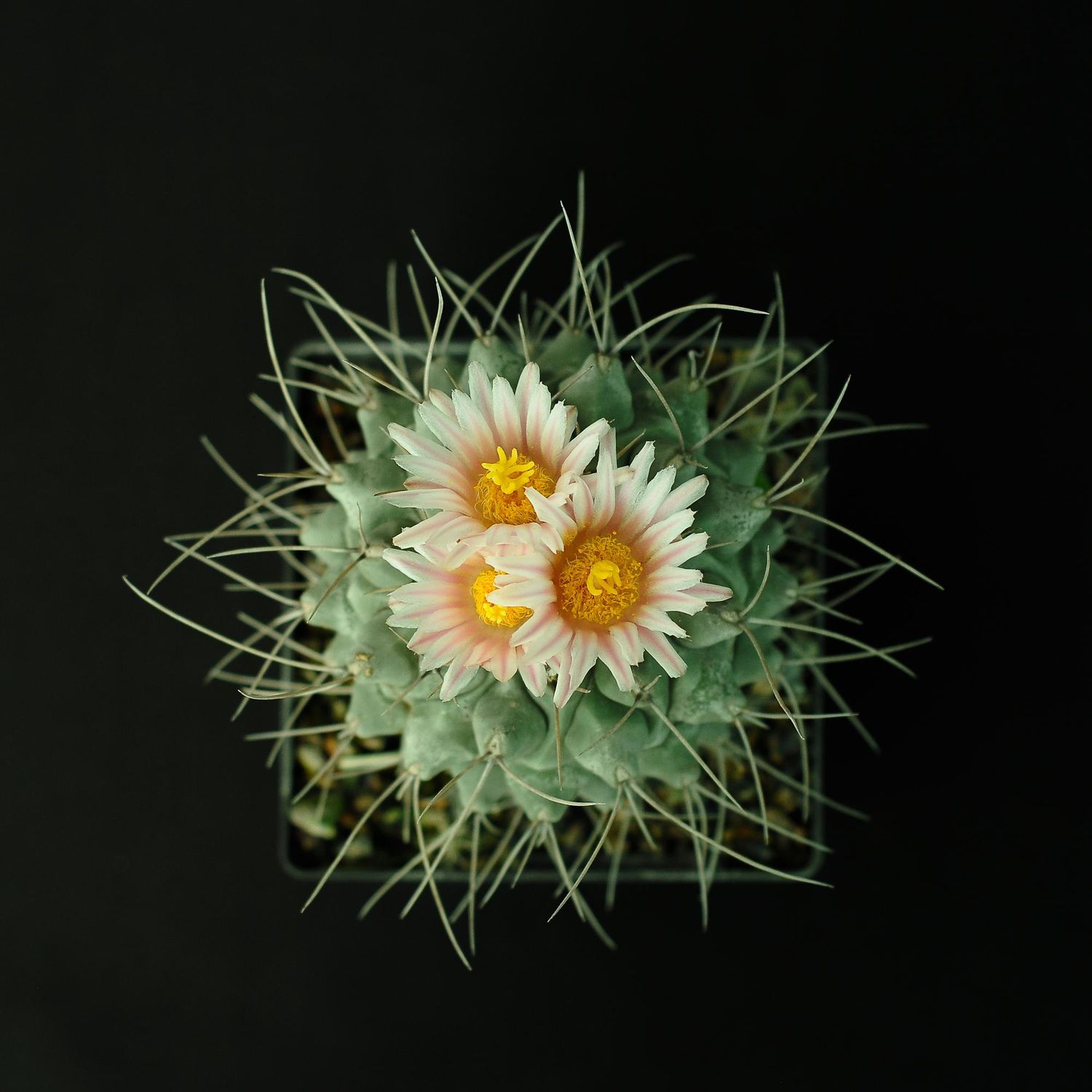
Thelocactus rinconensis multicephalus is a highly branched, clustered cactus with multiple polycephalous "heads" arising from a common base. Each head is globular or slightly elongated, covered with distinctive, tubercled ridges and sparse, fine spines that can range from white to yellowish. Its surface is often a pale green or bluish hue. In spring, it produces beautiful, large, funnel-shaped flowers typically in shades of yellow or orange at the crown of each head, creating a colorful display. The intricate clustering and multiple flowering points make it a visually captivating specimen, prized for its unique growth habit.
4. Conservation Status:
As a rare collector’s item, especially with specific locality designations like HO409 Puentes, this subspecies faces threats from habitat disruption and illegal collection. Promoting responsible propagation and cultivation helps conserve its genetic and botanical diversity, ensuring its survival and appreciation within cultivated collections.
5. Care:
Growing Thelocactus rinconensis multicephalus successfully involves:
- Watering: Water sparingly, allowing soil to dry out completely between waterings. Minimal watering in winter.
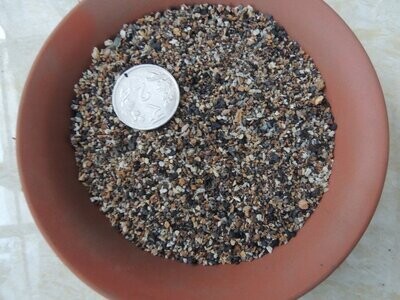
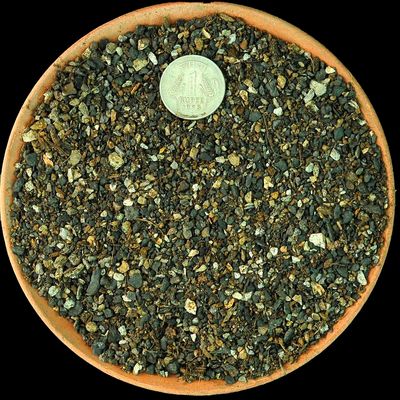
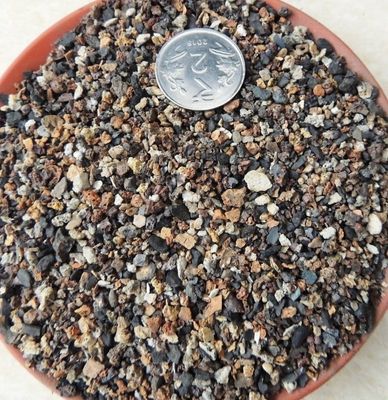
- Soil: Use a well-draining cactus or succulent mix with added gravel, sand, or perlite for excellent drainage.
- Light: Needs full sun or very bright, direct sunlight for at least 4-6 hours daily to promote healthy growth and flowering.
- Temperature: Prefers warm temperatures between 65°F (18°C) and 90°F (32°C). Protect from frost—indoor or winter protection recommended in colder zones.
- Tips: Fertilize lightly during the active growing season with a balanced cactus fertilizer. Watch for pests like mealybugs and spider mites.
Thelocactus rinconensis multicephalus HO409 Puentes is a fascinating and highly collectible cactus with its dense, multi-headed growth and beautiful flowers. Its intriguing form and regional significance celebrate the rugged beauty of Mexico's desert landscapes, making it a prized addition for serious collectors and desert plant enthusiasts alike.