Thelocactus tulensis
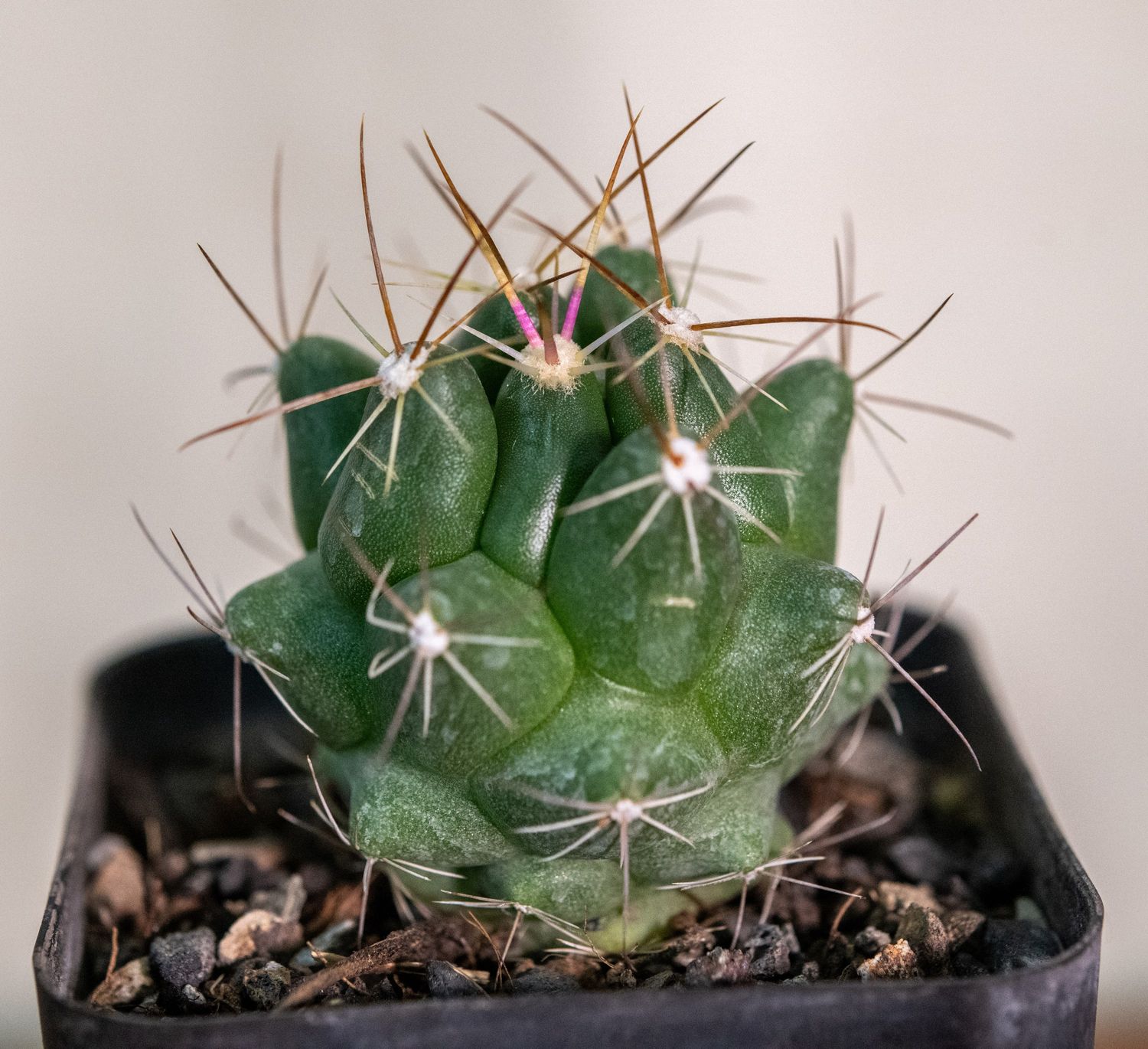
A sculpted globe of pyramid-shaped tubercles and bold spines that crowns itself each season with large, satiny blooms in white to soft pink. Thelocactus tulensis is a classic of the Mexican Chihuahuan Desert: compact, architectural, and generous with flowers. It is a rewarding choice for both new growers and seasoned collectors.
Origin of Name
The genus name Thelocactus combines the Greek thēlē (“nipple”) with cactus. It refers to the prominent, nipple-like tubercles that cover the stem. Karl Schumann first used it in 1898 as a subgenus of Echinocactus. In 1922, the American botanists Nathaniel Lord Britton and Joseph Nelson Rose raised it to a full genus.
The epithet tulensis means “from Tula,” a small town in the Mexican state of Tamaulipas near which the species grows. The plant was first described as Echinocactus tulensis in 1853 by Heinrich Poselger, a German physician and cactus explorer who collected in northern Mexico. Britton and Rose transferred it to Thelocactus in 1923.
Synonyms: Echinocactus tulensis Poselg., Cactus tulensis Poselg., Thelocactus tulensis var. longispinus Y.Itô. Several names published in 2000–2002, such as subsp. huizachensis, kupcakii and vaskoanus, are now treated as part of this species. The closely related buekii and matudae are recognised as subspecies by some authors and as a separate species by others.
Origin of Plant
Thelocactus tulensis is endemic to northeastern Mexico, in the states of Tamaulipas, San Luis Potosí and Nuevo León. It grows in xerophytic scrub (matorral xerófilo) on limestone hills at about 1,100–1,900 m elevation, from Tula through Las Tablas to Huizache. The species is highly variable, with many geographical forms joined by populations of intermediate plants. The typical form is the southernmost and most common.
Description
- Body: Globular to slightly elongated, solitary at first and clustering with age. It is grey-green to blue-green.
- Ribs and tubercles: 8–13 distinct ribs, divided into bold, rounded to pyramid-shaped tubercles.
- Spines: Each areole bears a ring of radial spines and one or more longer central spines. Spine colour ranges from whitish to tan, reddish-brown or dark grey, depending on the form.
- Flowers: Large, funnel-shaped and satiny, opening near the crown. They are white to pale pink, often with a darker pink midstripe. They appear in spring and summer, and the number of blooms varies from plant to plant and season to season.
- Fruit: Small and dry, splitting at the base to release black seeds.
- Size: A compact grower suited to pot culture, typically reaching 10–15 cm across in cultivation.
Conservation Status
- IUCN Red List: Least Concern (assessed 2017).
- CITES: Appendix II, as for all Cactaceae not listed in Appendix I. International trade in wild-collected plants is regulated.
- Mexico: Listed in category A (Amenazada, “threatened”) under the national standard NOM-059-SEMARNAT-2010. This reflects local habitat pressures that the global assessment does not capture.
- Our plants: All our plants are nursery-propagated from seed. No wild-collected material is involved.
Care
- Light: Full sun to very bright light. Strong light gives tight growth, rich spine colour and good flowering. Acclimatise it gradually, and give light shade during the harshest pre-monsoon heat.
- Watering: Use the soak-and-dry method from spring to early autumn, letting the mix dry completely between waterings. Keep it almost fully dry through winter, from November to February. Protect it from prolonged monsoon rain.
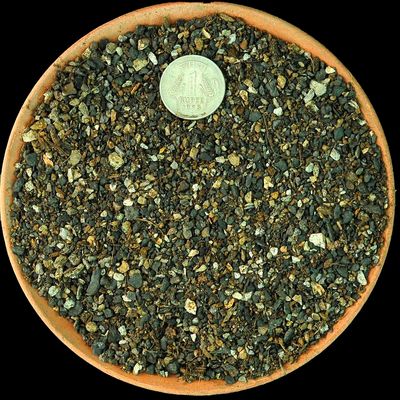
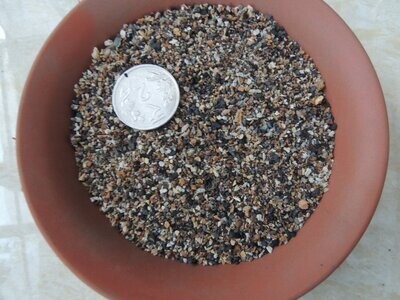
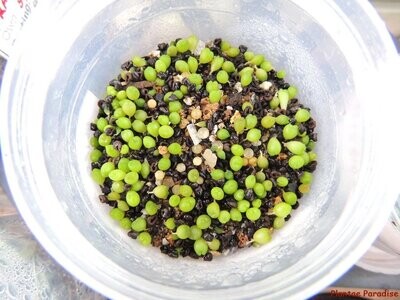
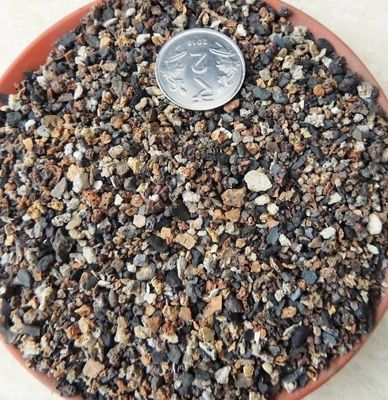
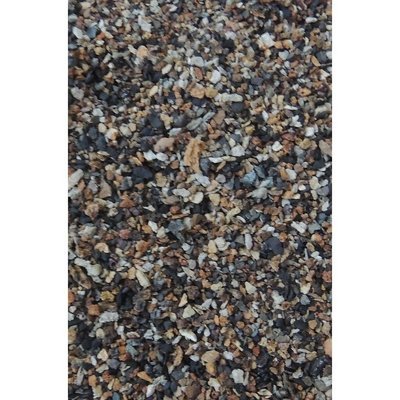
- Soil: A very free-draining mineral mix with 70–80% grit, such as pumice, coarse sand or perlite. A little crushed limestone or dolomite suits its natural limestone habitat.
- Pot: Terracotta or a well-drained plastic pot with ample drainage holes. Choose a pot only slightly wider than the plant.
- Temperature: Thrives at 15–35°C. When kept dry, it tolerates cool winter nights down to about 3–5°C. Avoid frost combined with wet soil.
- Feeding: A low-nitrogen cactus fertiliser at half strength every 3–4 weeks during active growth.
- Tip: A cool, dry winter rest is the key to good spring flowering.
A Story Worth Telling
Poselger’s 1853 description left botanists a puzzle: no original type specimen of Echinocactus tulensis survived to anchor the name. More than a century later, the American cactologist Edward F. Anderson travelled back to the plant’s namesake country to solve it. On 30 July 1979, at kilometre 14 on Highway 101 between Tula and the Highway 80 junction in Tamaulipas, he collected the specimen that now serves as the species’ official neotype, published in 1987. Every Thelocactus tulensis name today rests on a plant gathered from a roadside hill near the little town that gave it its name.