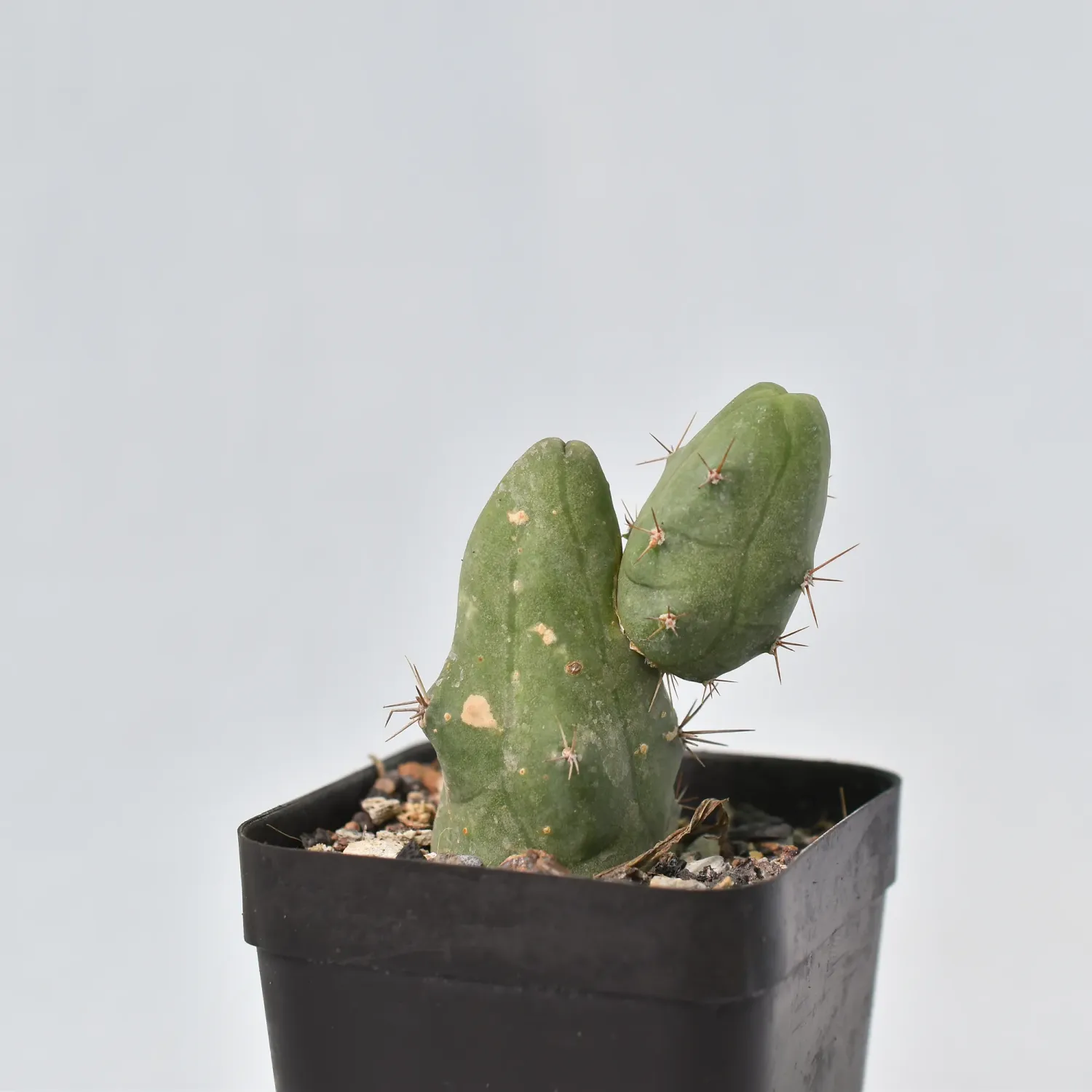
Trichocereus bridgesii monstrose
Product Details
The Sculptural Marvel: Trichocereus bridgesii monstrose
An avant-garde masterpiece of succulent evolution, prized by collectors for its rare, seamless aesthetic and architectural form.
- Origin & History of Name: The genus name Trichocereus is derived from the Greek thrix (hair) and the Latin cereus (torch), referring to the hairy floral tubes.
- Morphology: This cultivar exhibits a unique growth habit often referred to as the "Penis Cactus" due to its distinct shape.
- Habitat & Origin: While the parent species is native to the high-altitude deserts of Bolivia, Trichocereus bridgesii monstrose is a cultivar—a product of selective propagation of a naturally occurring mutation.
- Cultivation Profile:
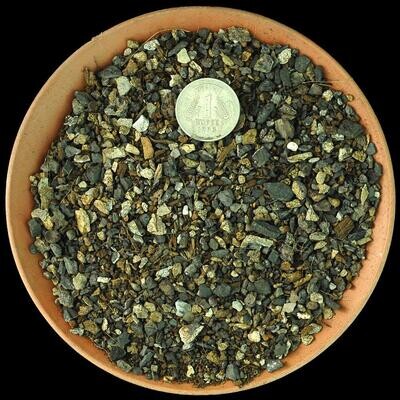
- Substrate: Use a strictly mineral-based mix (60% coarse sand, pumice, or perlite and 40% organic matter) to ensure rapid drainage.
- Light: Requires bright, filtered sunlight. In the intense Indian summer, provide 30-50% shade to prevent epidermal scorching.
- Water/Dormancy: Water deeply during the monsoon and summer only when the substrate is bone-dry. During the North Indian winter or the peak of the tropical dormant period, withhold water entirely to prevent root rot.
- Scientific/Historical Anecdote: In Bolivian indigenous cultures, the standard T. bridgesii is known as "Achuma" and has been used in ritualistic contexts for centuries.
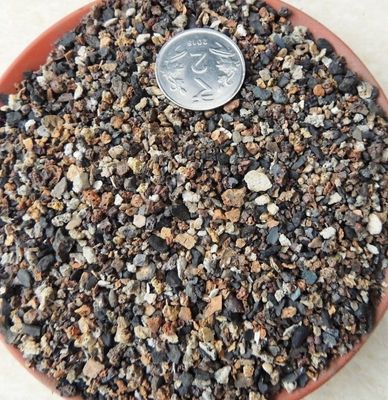
Cactus & Succulent Planting Mix FINE (aka Cactus Soil Mix or Succulent Soil Mix)
Cactus & Succulent Planting Mix FINE (aka Cactus Soil Mix or Succulent Soil Mix)
Fine-Grain Potting Mix for Cactus & Succulent Roots
SKU MNS001
₹33.74
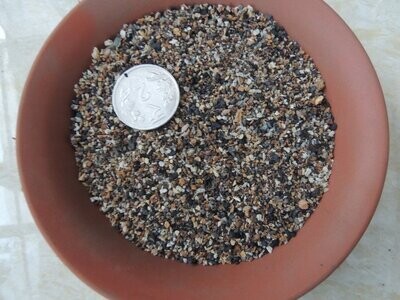
Cactus Seed Planting Mix
Cactus Seed Planting Mix
Sterile, Fine-Grain Media for Cactus & Succulent Seeds
SKU MNS005
₹66.35