The Golden Torch: Trichocereus spachianus
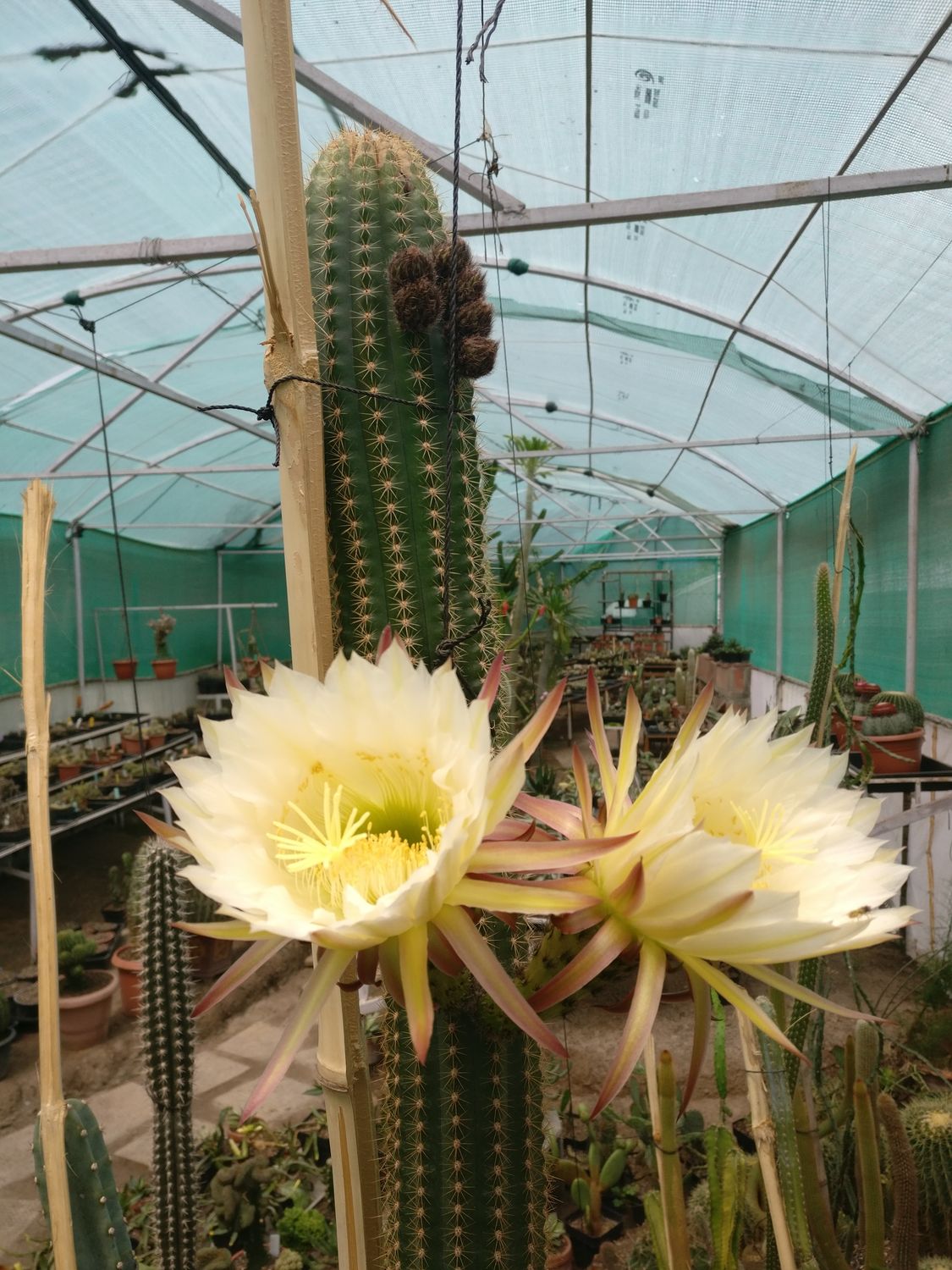
An architectural masterpiece distinguished by its radiant, golden-spined columns and massive, night-blooming white flowers that command attention in any xeriscape.
1. Origin & History of Name The genus name Trichocereus is derived from the Greek thrix (hair) and cereus (candle/wax torch), referring to the hairy scales found on the flower tube.
2. Morphology This columnar cactus is defined by its bright lime-green epidermis (skin) and upright, multi-stemmed habit.
3. Habitat & Origin Trichocereus spachianus (syn. Echinopsis spachiana) is a wild species native to Western Argentina and parts of Bolivia. It thrives in arid, rocky scrublands. The specimens offered are sustainably propagated from nursery stock, ensuring no depletion of wild populations in South America.
4. Cultivation Profile (Indian Context)
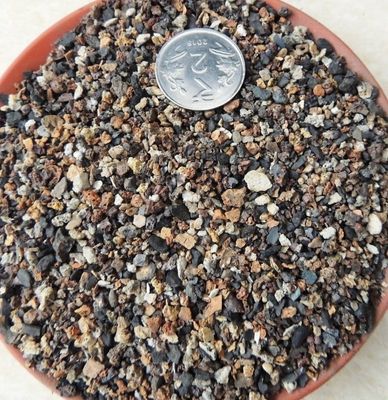
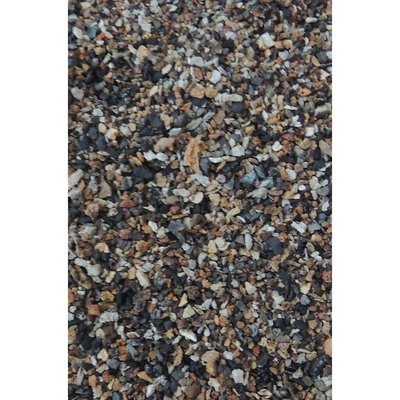
- Substrate: Requires a highly porous, mineral-rich mix to prevent root rot.
Use 50% coarse river sand, pumice, or perlite mixed with 50% garden soil/compost. Avoid heavy clay or red soil. - Light: Thrives in full sun. In the Indian plains, provide 6–8 hours of direct sunlight. However, during the peak summer heat (May–June), partial shade is recommended to prevent scorching the epidermis.
- Water/Dormancy: Follow a "soak and dry" method. Water thoroughly only when the substrate is completely bone dry. During the Indian monsoon, ensure the plant is shielded from continuous rain. Reduce watering significantly in winter (November–February) to induce a semi-dormant state.
5. Scientific/Historical Anecdote While prized as an ornamental, Trichocereus spachianus holds a utilitarian legacy in the cactus community as one of the world's premier grafting stocks. Due to its vigorous growth rate and robust vascular system, botanists and collectors frequently graft slower-growing, rare cacti onto T. spachianus bases to accelerate their growth and induce earlier flowering.