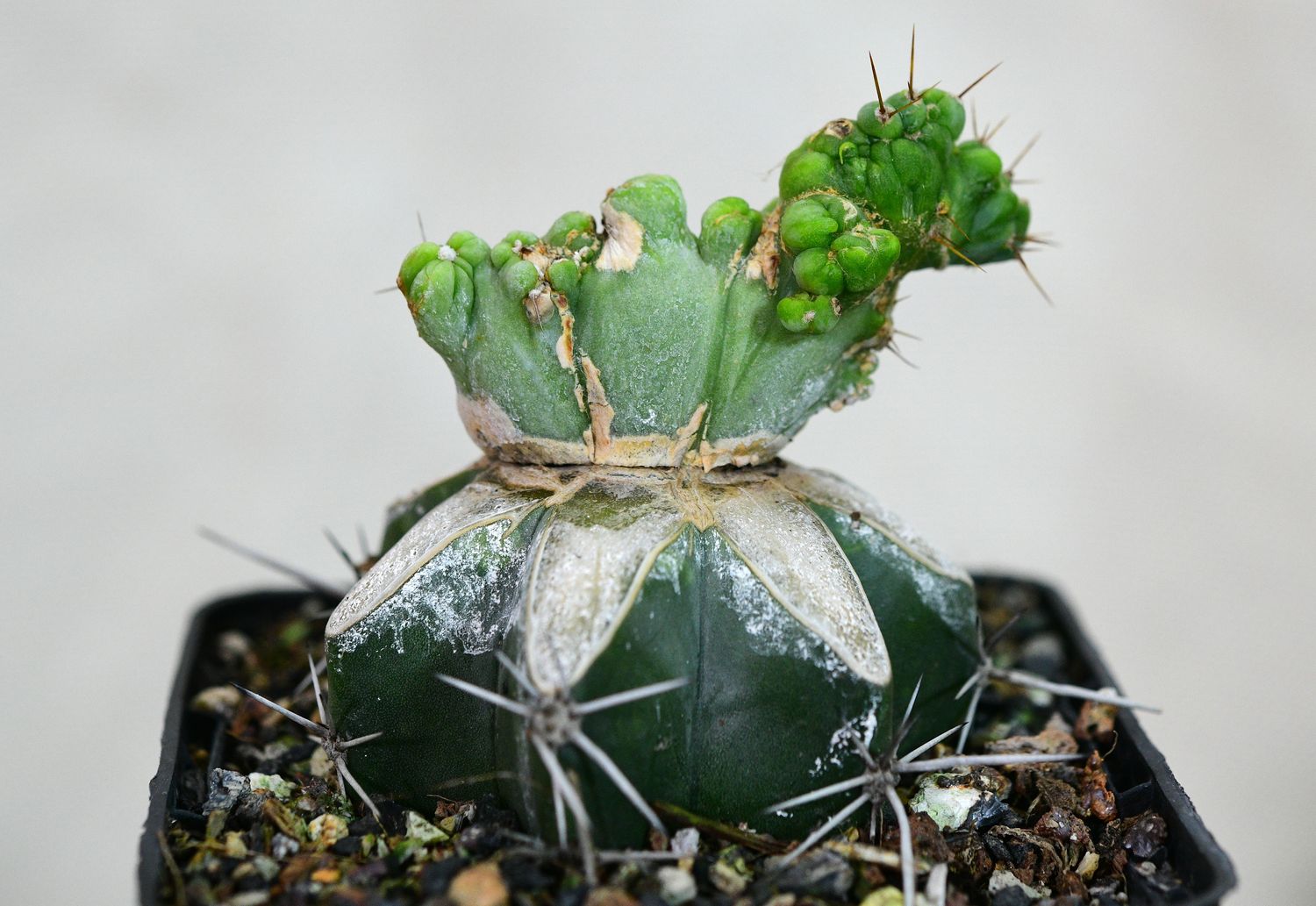
Trichocerous bridgesii monstrose crest
Product Details
Architectural Freak: Trichocereus bridgesii monstrose cristata
A sculptural masterpiece for the connoisseur, this rare crested mutation offers a one-of-a-kind living geometry that commands attention in any collection.
- Origin & History of Name: The genus name Trichocereus derives from the Greek thrix (hair), referring to the hairy floral tubes, while the specific epithet bridgesii honors Thomas Bridges, a 19th-century British botanist who collected extensively in Bolivia.
The designation "monstrose" indicates a genomic mutation causing irregular growth, and "crest" (cristata) refers to the apical meristem elongating into a fan-like ridge rather than a single point. - Morphology: This specimen exhibits a fascinating fasciation where the growing tip widens, creating undulating, brain-like folds. Its epidermis is a smooth, glaucous blue-green, punctuated by sparse areoles that may produce few, irregular spines. Unlike the standard columnar form, this cultivar lacks traditional vertical costae (ribs), instead forming a dense, twisted mass of photosynthetic tissue.
- Habitat & Origin: This is a specialized cultivar derived from the Bolivian Torch cactus, which is native to the high-altitude deserts of the Andes. While the parent species is wild, this specific "monstrose crest" form is maintained through selective propagation in cultivation. Our specimens are sourced from nurseries committed to sustainable vegetative propagation to prevent pressure on wild populations.
- Cultivation Profile:
- Substrate: A strictly mineral-based mix (60% inorganic). Use a blend of coarse sand, pumice or perlite, and crushed brick with minimal organic compost to prevent root rot in humid Indian climates.
- Light: High-intensity filtered sunlight. In India, provide bright morning sun but use 50% shade cloth during harsh May/June afternoons to prevent epidermal scorching.
- Water/Dormancy: Follow a "soak and dry" method. Water deeply during the monsoon only if the substrate is bone-dry; withhold water entirely during the winter dormancy period (November to February) to mimic its high-altitude Andean home.
- Scientific/Historical Anecdote: The Trichocereus bridgesii is traditionally known in Bolivia as "Achuma." While the standard form grows into massive columns, the "monstrose" mutations were historically prized by collectors as "botanical curiosities." Scientists have discovered that these mutations are often the result of a permanent hormonal imbalance within the plant's cells, causing the meristem to lose its ability to regulate symmetrical growth.
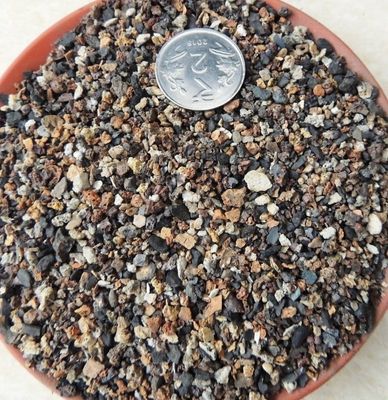

Cactus & Succulent Planting Mix FINE (aka Cactus Soil Mix or Succulent Soil Mix)
Cactus & Succulent Planting Mix FINE (aka Cactus Soil Mix or Succulent Soil Mix)
Fine-Grain Potting Mix for Cactus & Succulent Roots
SKU MNS001
₹39.85
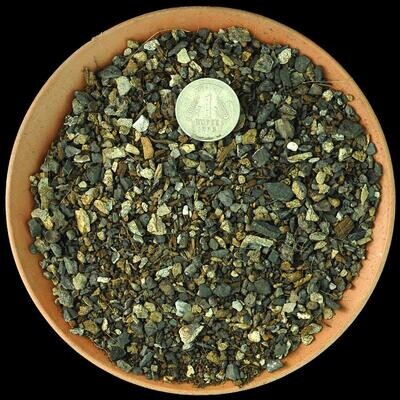
New


Monsoon Guardian Kit (5 in 1)
Monsoon Guardian Kit (5 in 1)
Complete 5-in-1 biological protection kit for cacti & succulents
SKU MNS024
₹850.00