

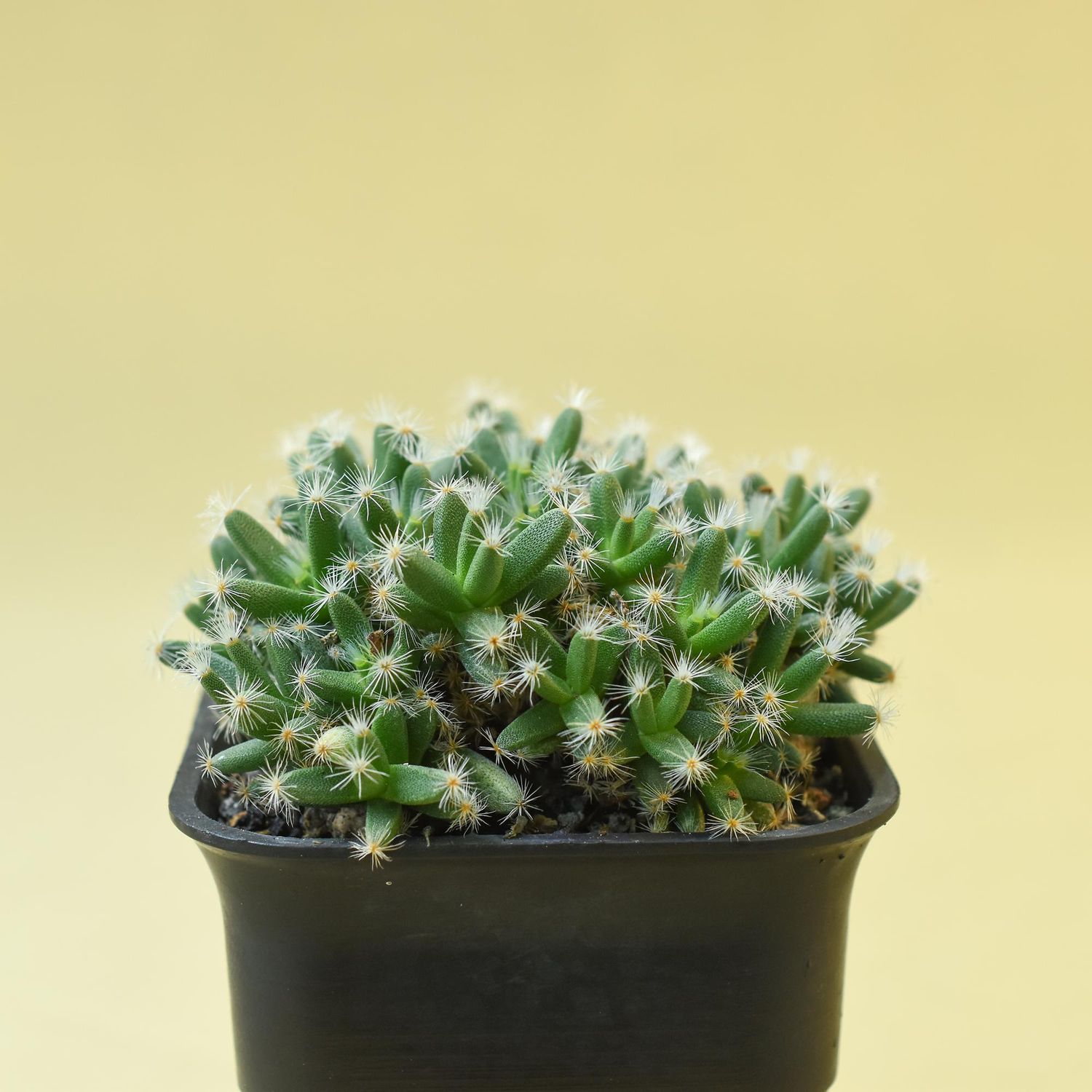
Trichodiadema densum
Product Details
Desert Bonsai Beauty: Trichodiadema densum
A miniature marvel for collectors, this succulent mimics a centuries-old bonsai with its caudex-forming roots and crown of "diadem" tipped leaves.
- Origin & History of Name: The genus name Trichodiadema is derived from the Greek words thrix (hair) and diadema (crown), referring to the distinctive tuft of bristles at the leaf tips.
- Morphology: This species is characterized by a tuberous, succulent rootstock (caudex) that can be raised above the soil line for aesthetic effect.
- Habitat & Origin: Trichodiadema densum is a wild species native to the Karoo region of South Africa.
- Cultivation Profile:
- Substrate: Use a strictly mineral-based mix (70% grit/pumice/perlite and 30% organic matter). In the Indian climate, avoid heavy peat to prevent root rot during high humidity.
- Light: Requires bright, direct sunlight for at least 6 hours.
- Water/Dormancy: Water thoroughly when the substrate is completely dry. It is opportunistic but tends to slow down during the peak monsoon. Reduce watering significantly during the humid months and cold winters to mimic its natural arid cycles.
- Scientific/Historical Anecdote: Members of the Trichodiadema genus have a unique historical connection to fermentation.
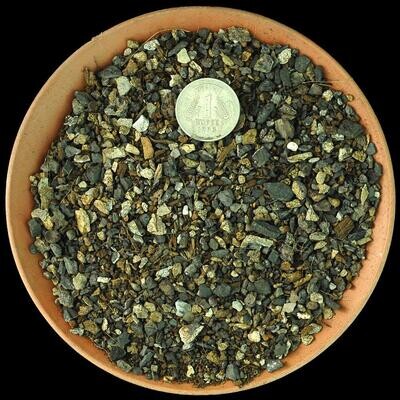
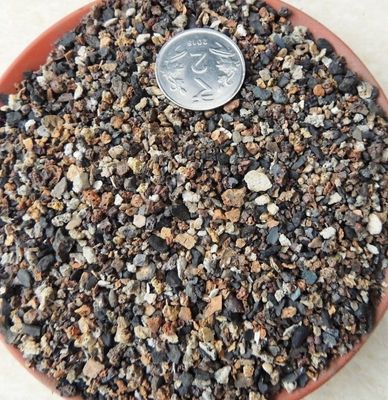
Cactus & Succulent Planting Mix FINE (aka Cactus Soil Mix or Succulent Soil Mix)
Cactus & Succulent Planting Mix FINE (aka Cactus Soil Mix or Succulent Soil Mix)
Fine-Grain Potting Mix for Cactus & Succulent Roots
SKU MNS001
₹33.74
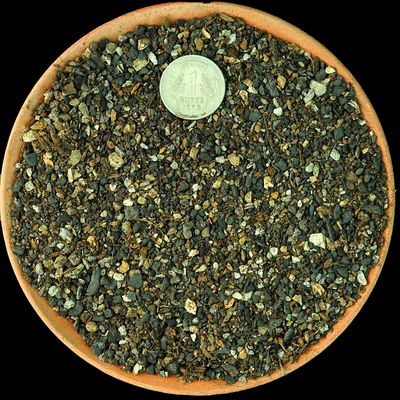
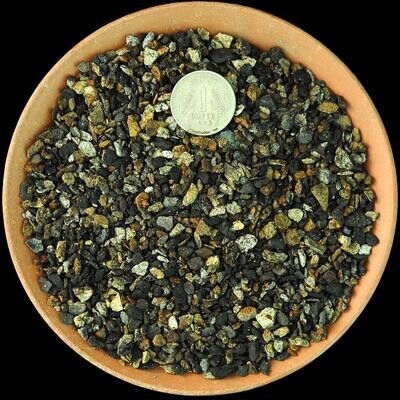
Cactus & Succulent Planting Mix COARSE (aka Cactus Soil Mix or Succulent Soil Mix)
Cactus & Succulent Planting Mix COARSE (aka Cactus Soil Mix or Succulent Soil Mix)
Washed, Free-Draining Mineral Mix for Cactus & Succulents
SKU MNS003
₹38.74