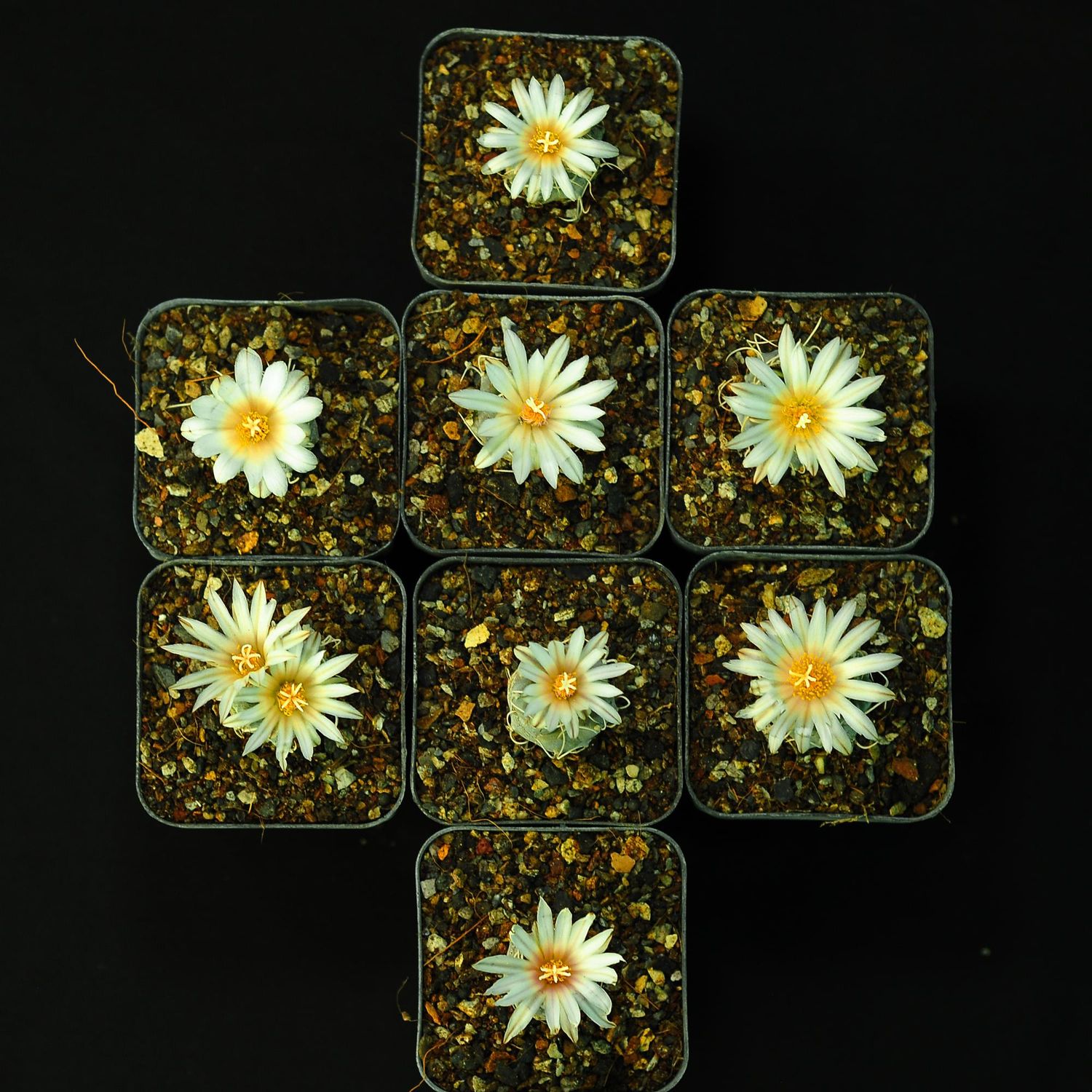
Seed grown plants .
Origin of Name: Turbinicarpus derives from Latin "turbo," meaning "spiral" or "whirlpool," referencing the plant's rounded, globular shape, and "carpus," meaning "fruit." The species frailensis is named after the region of Frail in northeastern Mexico, where the species was first discovered. The cultivar designation PP 402 El Herero SLP indicates its collection number, with "El Herero" referencing the specific locality where it was found in the State of San Luis Potosí, Mexico.
Origin of Plant: Turbinicarpus frailensis is native to a restricted, rocky region in northeastern Mexico, particularly in the states of San Luis Potosí and nearby areas. It inhabits limestone rocky slopes in semi-arid environments and has adapted to survive harsh, drought-prone conditions with minimal water availability.
Description: This tiny, globular cactus has a smooth, pale green or grayish surface often marked with fine, white or brownish tubercles. It is a slow grower and typically forms small clusters of rounded stems. During its flowering season, it produces delicate, funnel-shaped flowers, usually in shades of pale pink, white, or yellow, which add a charming burst of color. Its miniature size and intricate form make it a prized collector’s piece.
Care:
- Watering: Water sparingly and only after the soil has completely dried out. Overwatering causes root rot.
- Light: Prefers bright, direct sunlight for healthy growth and colorful flowers.
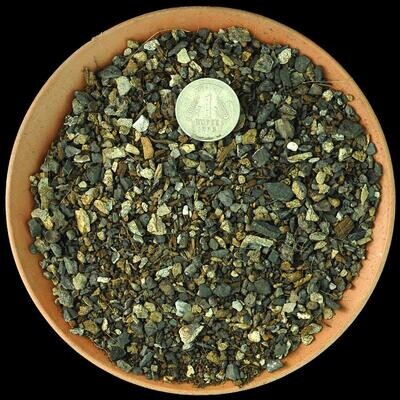
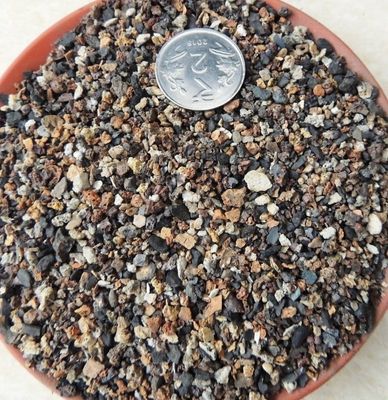
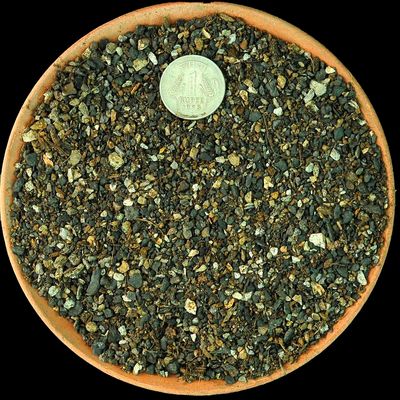
- Soil: Requires a well-draining cactus or succulent mix, ideally with limestone grit or sand for proper drainage.
- Temperature: Thrives in warm conditions; protect from frost and cold drafts, as it is sensitive to low temperatures.
Conservation Status: Turbinicarpus frailensis is considered a rare and vulnerable species; it is listed under CITES Appendix I, emphasizing the importance of sustainable and responsible cultivation practices. Supporting nurseries that propagate this plant responsibly helps preserve its natural populations.