Turbinicarpus horripilus subs wrobelianus
Product Details
The Bristly Jewel: Turbinicarpus horripilus subs. wrobelianus
A compact, rare collector’s cactus prized for its contrasting white spination and vibrant magenta blooms, perfect for the serious enthusiast seeking structural elegance.
- Origin & History of Name The genus name Turbinicarpus is derived from the Latin turbo (spinning top) and Greek karpos (fruit), referring to the plant’s squat, top-shaped fruit.
The species epithet horripilus combines the Latin horrere (to bristle or shudder) and pilus (hair), translating to "bristly hair"—essentially describing a plant that gives "goosebumps" due to its dense spination. The subspecies wrobelianus honors the Wrobel family, dedicated cactus enthusiasts and explorers who contributed to the discovery of this specific population in Mexico. - Morphology This subspecies is distinguished from the standard horripilus by its more compact, clustering habit and distinct spinal coloration.
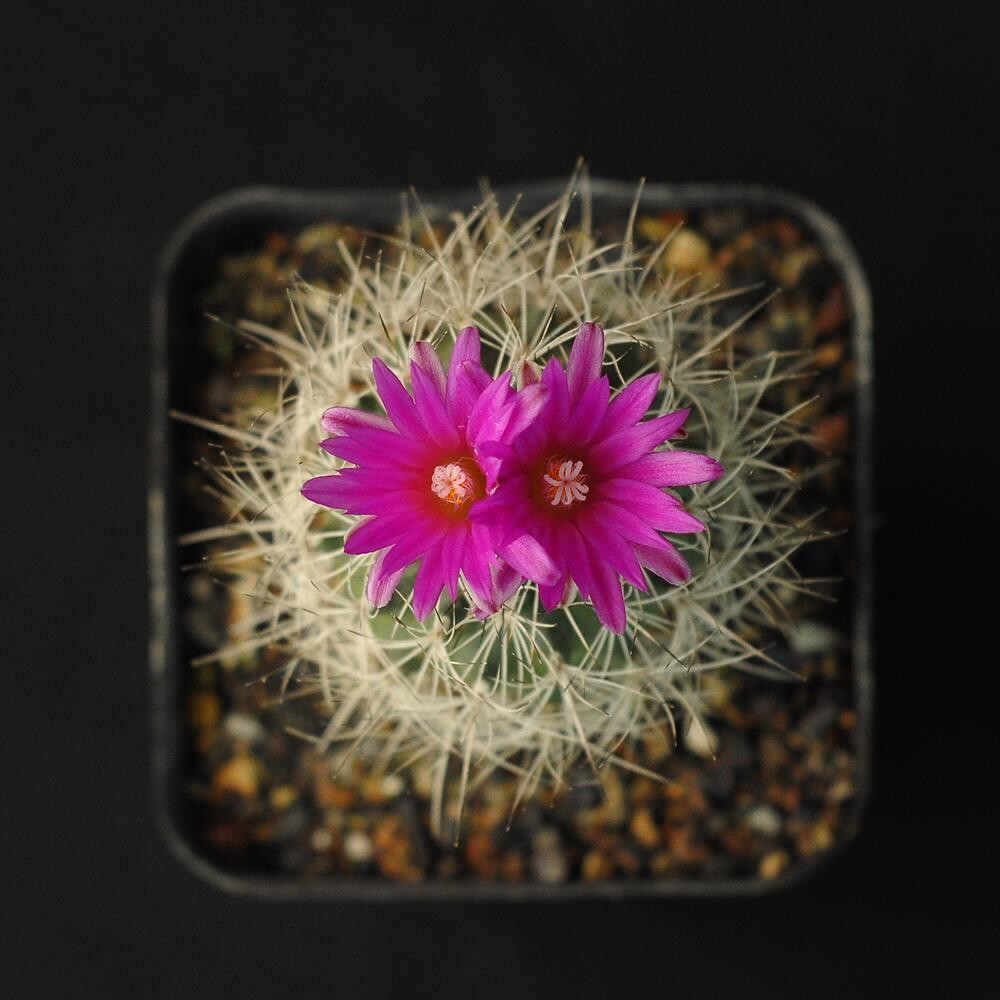
The epidermis is a deep olive-green, featuring conic tubercles (projection sites for spines) rather than ribs. It displays striking, almost white radial spines that contrast sharply with a darker, erect central spine. In maturity, the woolly apical meristem (growth point) produces vibrant violet-to-magenta flowers that are relatively large for the plant's diminutive size, creating a stunning bi-color display. - Habitat & Origin This is a geographic subspecies native to a restricted micro-locality in Hidalgo, Mexico, specifically near Jilos, where it grows on steep limestone cliffs.
Commercially, this plant is strictly an ex-situ seed-grown cultivar. It is CITES-listed and endangered in the wild; therefore, purchasing nursery-propagated specimens supports sustainable horticulture and reduces pressure on wild populations. - Cultivation Profile
- Substrate: Requires a highly porous, mineral-heavy mix. Use 70% inorganic material (pumice, perlite, or grit) with 30% sifted compost. In India, adding a small amount of limestone chippings or crushed brick is beneficial to mimic its natural calcareous habitat.
- Light: Thrives in bright, filtered sunlight. In the Indian plains, provide full morning sun but shade it from the harsh midday scorching sun (12 PM–4 PM) to preserve the epidermis color.
- Water & Dormancy: Adopts a "Soak and Dry" cycle. Water thoroughly only when the substrate is bone dry. Crucial for India: Keep completely dry and protected during the Monsoon season to prevent root rot. Reduce watering significantly in winter to induce a semi-dormant state, which encourages better flowering in spring.
5. Scientific/Historical Anecdote Turbinicarpus horripilus has a rebellious taxonomic history. It is often referred to as the "link" between the genera Turbinicarpus and Gymnocactus. Recent DNA analysis has actually suggested moving it to a newly resurrected genus, Kadenicarpus, arguing that it is genetically distinct from true "Turbis." However, in the trade and among collectors, it proudly retains its classic label, remaining a favorite for its "wild" appearance in a manageable, miniature package.
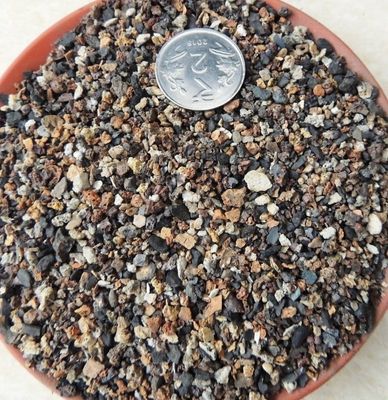

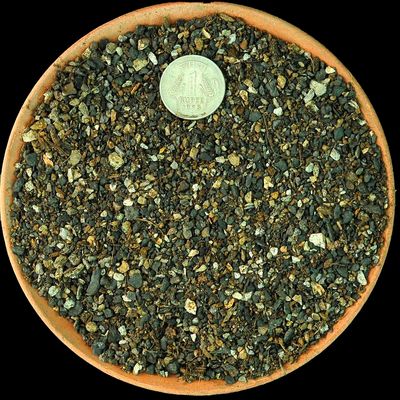
Cactus & Succulent Planting Mix FINE (aka Cactus Soil Mix or Succulent Soil Mix)
Cactus & Succulent Planting Mix FINE (aka Cactus Soil Mix or Succulent Soil Mix)
Fine-Grain Potting Mix for Cactus & Succulent Roots
SKU MNS001
₹39.85
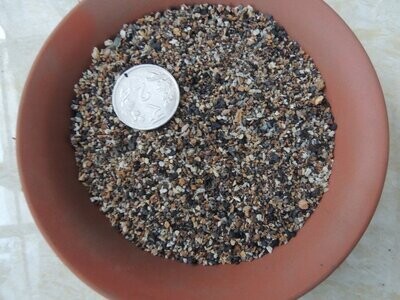
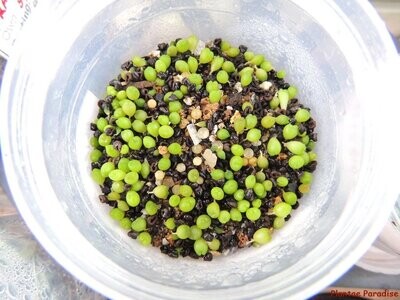
Cactus Seed Planting Mix
Cactus Seed Planting Mix
Sterile, Fine-Grain Media for Cactus & Succulent Seeds
SKU MNS005
₹74.85
New

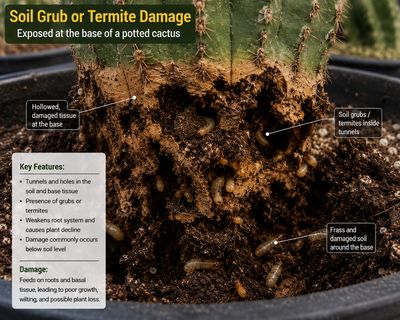
Monsoon Guardian Kit (5 in 1)
Monsoon Guardian Kit (5 in 1)
Complete 5-in-1 biological protection kit for cacti & succulents
SKU MNS024
₹850.00