Origin of Name:
Turbinicarpus laui is named in honor of the esteemed cactus collector and botanist Luis Sánchez Launi, who dedicated much of his work to the discovery and study of Mexican cacti in the late 20th century. The genus "Turbinicarpus" comes from Latin roots: "turbo," meaning “whirling” or “top-shaped,” and "carpus," meaning “fruit,” referring to the characteristic rounded, top-like fruit and body shape of plants in this genus.
The species "laui" pays tribute to Launi’s significant contributions in cataloging and propagating rare, miniature cacti native to Mexico. The recognition of his name underscores the importance of individual efforts in botanical exploration and conservation, especially of these tiny desert treasures.
Origin of Plant:
Turbinicarpus laui is endemic to the semi-desert and rocky highlands of northeastern Mexico, specifically in the states of Coahuila and Nuevo León. It inhabits limestone slopes, rocky crevices, and xeric environments where water drains quickly and sunlight is intense. Discovered during late 20th-century expeditions by Mexican and international botanists, this tiny cactus is well-adapted to survive in extreme drought conditions and high-altitude settings.
Thanks to ongoing propagation and conservation efforts, laui is now widely cultivated, helping to reduce wild collection and ensure its preservation as a remarkable example of desert resilience.
Description:
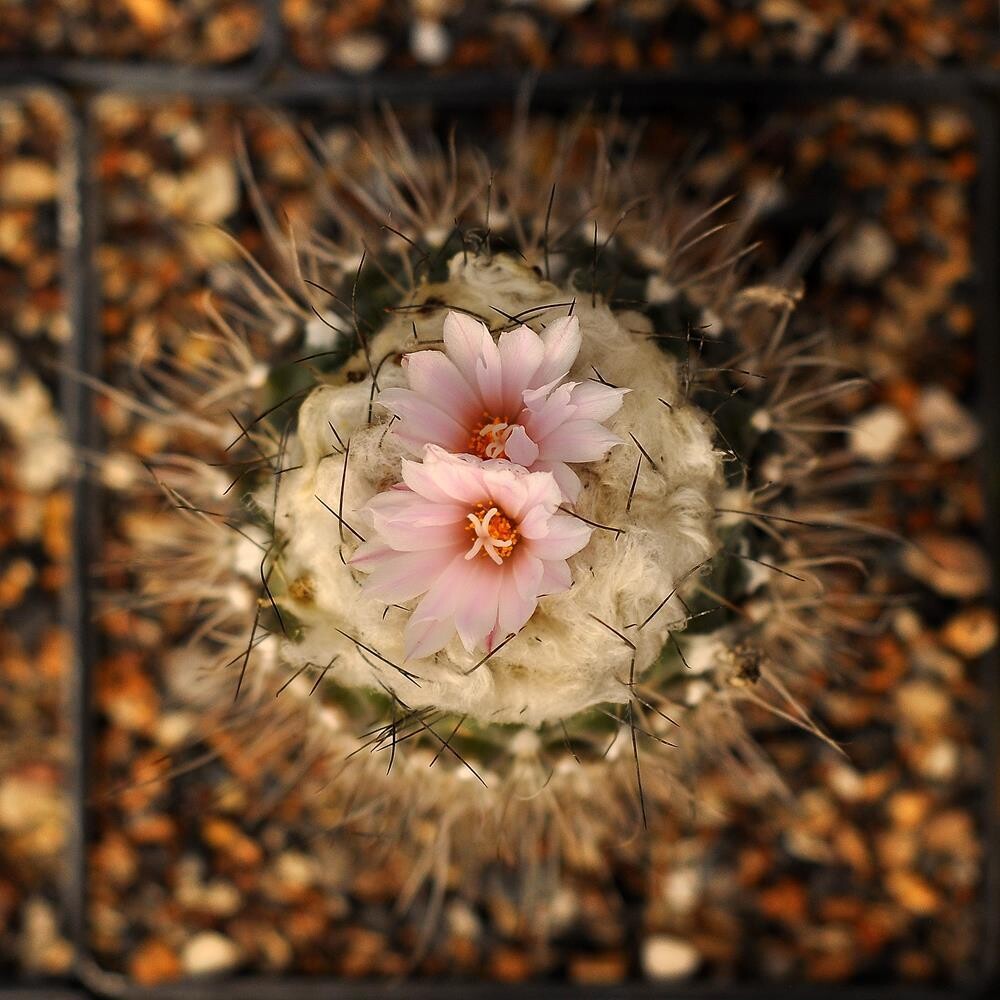
Turbinicarpus laui is a petite, globular cactus, typically just 1-3 inches in diameter and height. It features a smooth, bluish-green or grayish-green body with faint tubercles or low ribs, giving it a soft, rounded appearance. Its surface is densely covered with tiny, white to grayish spines or woolly areoles, contributing to its appealing texture.
In spring and early summer, laui produces delicate, star-shaped flowers—bright pink, magenta, or sometimes white—that emerge from the plant’s apex. The flowers are relatively large compared to the plant’s size, creating a remarkable visual contrast and adding ornamental appeal.
Conservation Status:
As a cultivated and propagated species, Turbinicarpus laui is not considered threatened or endangered. Wild populations face pressures from habitat loss and illegal collection, but responsible cultivation from seed and cuttings helps to conserve its genetic diversity and promotes sustainability. Never sourced from wild populations and always purchased from reputable nurseries, laui can be enjoyed responsibly and sustainably.
Care:
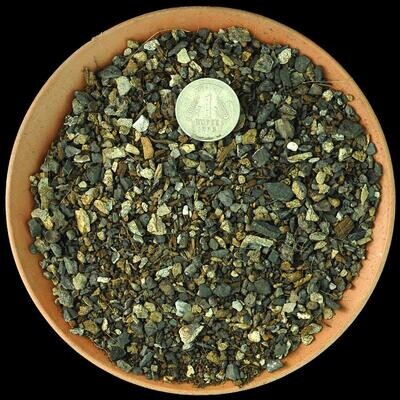
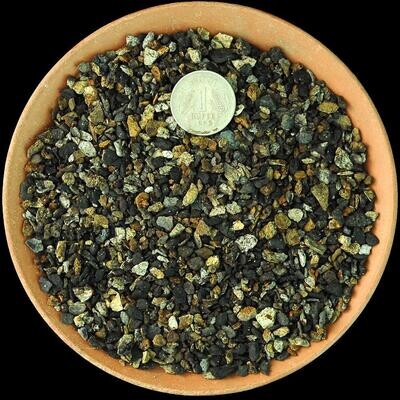
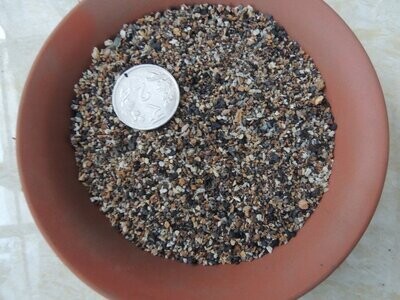
Turbinicarpus laui is a low-maintenance, miniature cactus ideal for windowsill, terrarium, or succulent garden cultivation. It loves bright, direct sunlight—aim for at least 4-6 hours daily—to develop vibrant flower colors and healthy growth. Use a well-draining cactus mix, with coarse sand, perlite, or grit to prevent excess moisture retention.
Water sparingly—about once every 3-4 weeks during its active growing season—and never let the soil stay wet for long. In winter, reduce watering to a minimum, and keep the plant cool and dry. It prefers warm temperatures between 70°F and 85°F (21°C to 29°C) and should be protected from frost and freezing temperatures. Proper drainage, minimal overwatering, and ample light are keys to its health and joyful flowering.
Interesting Anecdote:
Turbinicarpus laui is renowned among cactus collectors for its delicate size and striking blossoms, often viewed as “jewel-sized” desert flora. Its discovery and naming honor the tireless efforts of botanists like Luis Sánchez Launi, who dedicated their lives to uncovering Mexico’s hidden botanical treasures. Indigenous communities have long revered small plants like laui for their resilience, viewing them as symbols of endurance and adaptability—traits that make this tiny cactus an enduring emblem of desert survival in botanical history.