Turbinicarpusl lophophoroides
Product Details
Geometric Perfection: Turbinicarpus lophophoroides
A miniature marvel of evolution, this rare species is prized for its mimicry of the Lophophora genus and its sophisticated, sculptural form.
- Origin & History of Name: The genus name Turbinicarpus stems from the Latin turbo (spinning top) and the Greek karpos (fruit), describing the shape of its seed pods. The specific epithet lophophoroides honors its striking resemblance to the Lophophora genus. It was formally described by botanist Johannes Werdermann in 1934, following its discovery in the gypsophilous soils of Mexico.
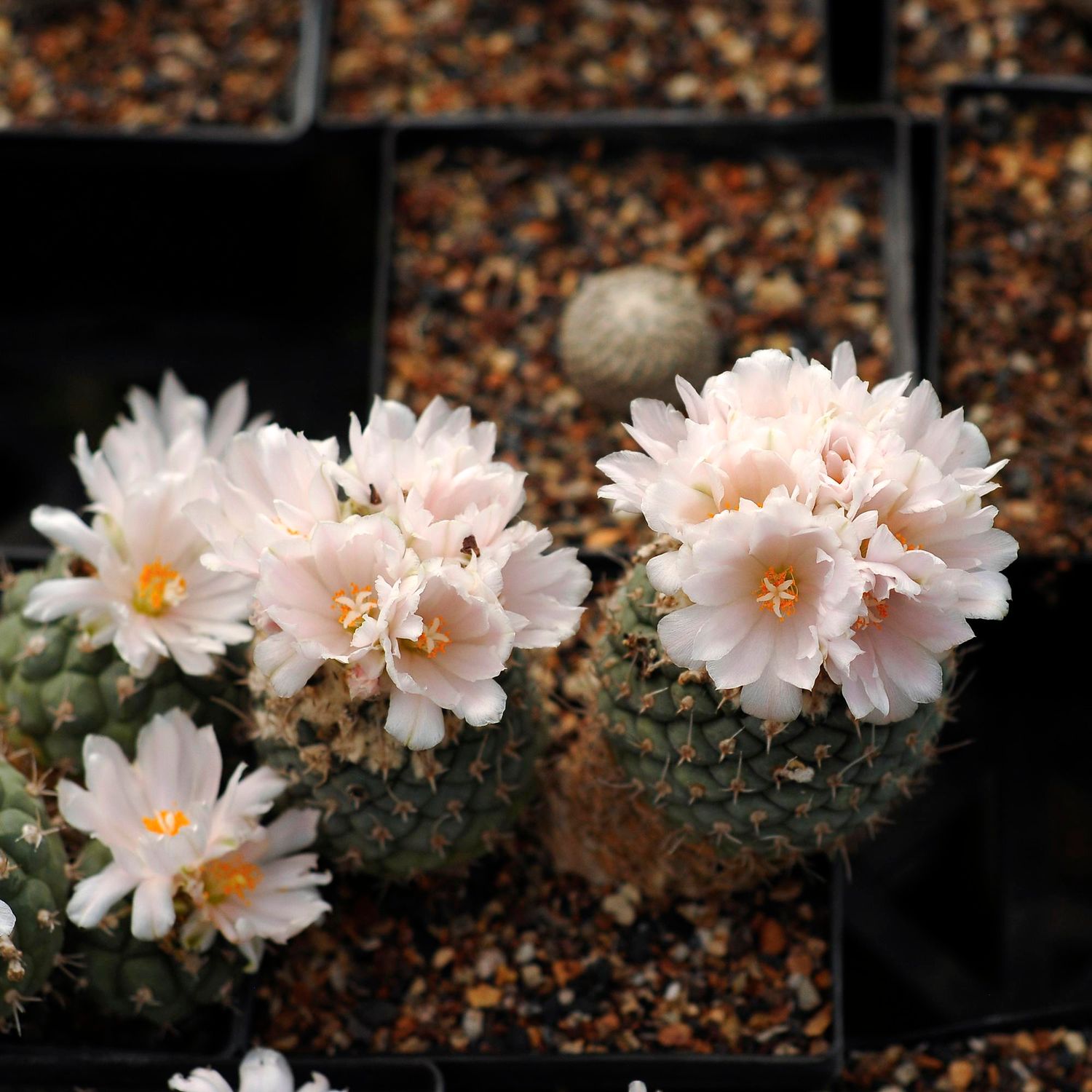
- Morphology: This species features a globose, slightly flattened epidermis (skin) of glaucous blue-green. It lacks traditional costae (ribs), instead presenting distinct, rounded tubercles. The areoles are topped with short, white wool and soft, weak spines that often disappear with age. It produces large, funnel-shaped flowers ranging from white to pale pink with a darker midstripe.
- Habitat & Origin: This is a wild species endemic to a very localized region in San Luis Potosí, Mexico. It grows primarily in gypsum-rich flats. Due to its limited range, it is highly protected; our specimens are strictly nursery-grown from seed to ensure conservation and sustainability.
- Cultivation Profile:
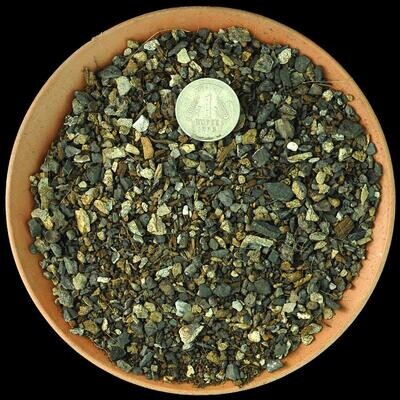
- Substrate: A strictly mineral-based mix is required. Use a blend of 70% pumice or grit and 30% clay-based soil; avoid peat or organic matter.
- Light: Bright, filtered sunlight. In the Indian subcontinent, provide 40-50% shade cloth during the peak summer heat (April–June) to prevent epidermal scorching.
- Water/Dormancy: Follow a "soak and dry" method during the growing season. Observe strict dry dormancy from November to February to coincide with the Indian winter, as the plant is highly susceptible to root rot in cold, damp conditions.
- Scientific/Historical Anecdote: Turbinicarpus lophophoroides is a classic example of convergent evolution. Despite being genetically distinct from the Peyote cactus (Lophophora), it evolved a nearly identical spineless, tufted appearance to blend into its arid environment, a survival strategy known as "mimicry" to avoid herbivory.

Cactus & Succulent Planting Mix COARSE (aka Cactus Soil Mix or Succulent Soil Mix)
Cactus & Succulent Planting Mix COARSE (aka Cactus Soil Mix or Succulent Soil Mix)
Washed, Free-Draining Mineral Mix for Cactus & Succulents
SKU MNS003
₹40.51

Cactus Seed Planting Mix
Cactus Seed Planting Mix
Sterile, Fine-Grain Media for Cactus & Succulent Seeds
SKU MNS005
₹70.51