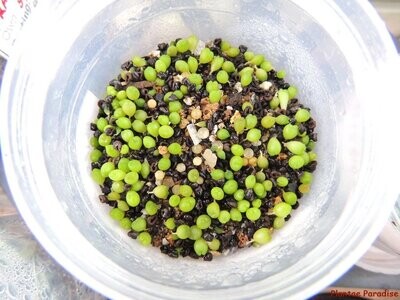
Turbinicarpus polaskii MZ 706, La Bonita, San Luis Potosi
1. Origin of Name:
The genus "Turbinicarpus" is derived from Latin, where "turbine" refers to a "whirling" or "spinning" movement, hinting at the plant's compact, rounded shape resembling a miniature turbine. The species "polaskii" honors Rolf Polask (1928–2011), a dedicated cactus explorer and collector who extensively studied Mexican cacti in the early 20th century. The specific collection MZ 706 was gathered from the region of La Bonita in San Luis Potosi, during a notable expedition in 1991, and was later introduced to collectors and botanists around the world. The name recognizes both the plant’s distinctive form and Polask’s contributions to the study of Mexican desert flora.
2. Origin of Plant:
Turbinicarpus polaskii is native to the semi-arid, rocky slopes of La Bonita in the state of San Luis Potosi, Mexico. First documented during a 1991 expedition by plant explorers seeking rare and endemic cacti, it is found in the granite and limestone-rich hillsides characteristic of this region. The plant thrives at elevations of approximately 1,500 meters in well-drained, mineral-rich soils, often growing in crevices and rocky outcrops where water rapidly drains away. Its limited distribution makes it a prize for cactus collectors and botanists interested in endemic Mexican species.
3. Description:
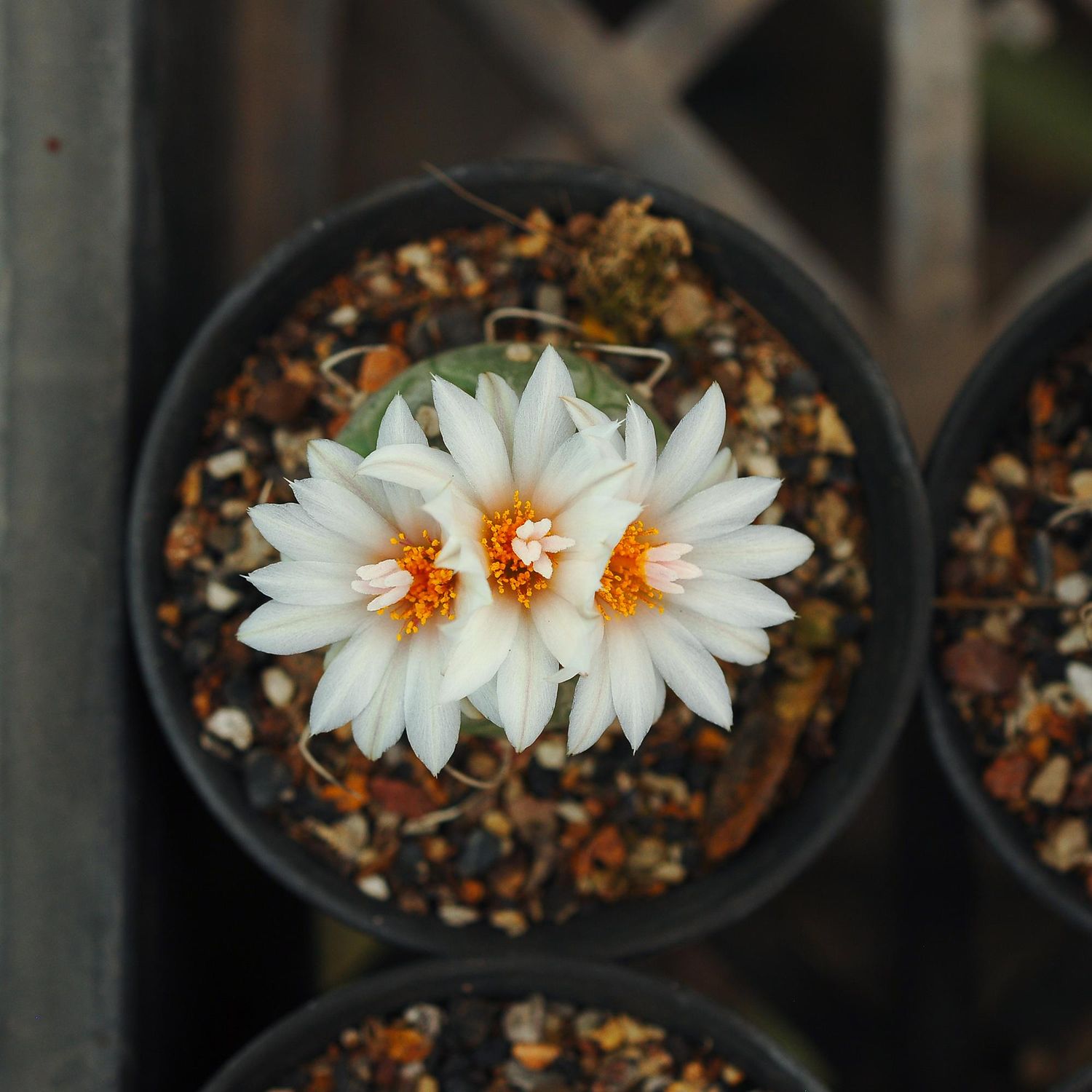
This captivating cactus is a small, compact, and globular plant, typically reaching 1–2 inches in diameter but often forming dense clusters over time. Its surface is covered with fine, white, woolly areoles and tiny, radiating spines that are usually white or light brown, creating a soft, fuzzy appearance. The body is beautifully marked with distinctive, darker tubercles that give it an architectural, textured look. In spring, Turbinicarpus polaskii produces stunning, trumpet-shaped flowers in shades of bright pink, magenta, or purple with contrasting yellow throats—an exuberant display against its otherwise subdued appearance. Its intricate form, combined with its vibrant blooms, makes it a standout among miniature cacti.
4. Conservation Status:
Turbinicarpus polaskii is considered vulnerable due to its limited natural range and ongoing threats from habitat destruction and illegal collection. Since it is endemic to a small area in San Luis Potosi, preserving its natural habitat and promoting cultivated propagation are vital to its survival. Responsible cultivation and seed propagation in nurseries support its conservation and help alleviate pressure on wild populations.
5. Care:
- Watering: Water very sparingly; allow the soil to dry completely between waterings. Reduce watering during the winter dormancy period.
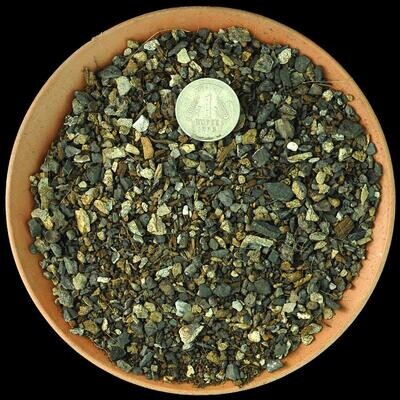
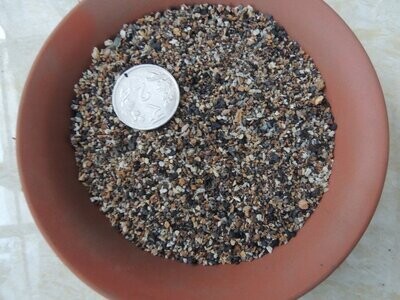
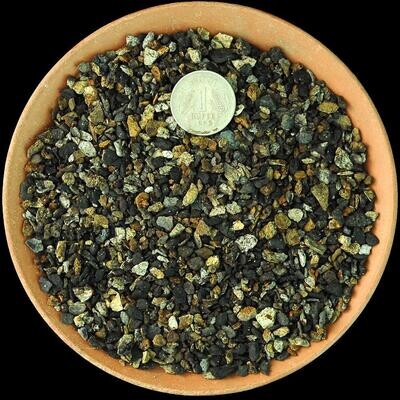
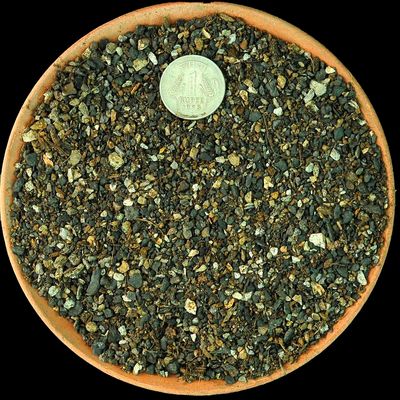
- Soil: Use a mineral-rich, fast-draining cactus or succulent mix with coarse sand, pumice, or crushed limestone to replicate rocky Mexican terrain.
- Light: Needs full sun for vibrant coloration and flowering—aim for at least 4–6 hours of direct sunlight daily.
- Temperature: Prefers warm temperatures between 65°F–80°F (18°C–27°C). It is sensitive to frost; protect or bring indoors when temperatures drop below 50°F (10°C).
- Additional Tips: Handle with care; its tiny spines and delicate body require gentle handling. Repot only during active growth seasons using fresh, gritty soil.
Interesting Anecdote:
Turbinicarpus polaskii has earned a reputation among cactus enthusiasts as a “miniature jewel,” thanks to its exquisite form and vibrant flowers. Its discovery in the early 1990s marked a significant addition to the tiny, rare cacti of Mexico’s highlands. Interestingly, this species is often associated with the traditional folk practices of local indigenous communities, who have harvested and cultivated this cactus for generations, believing it to bring good luck and protection. Its rarity and delicate beauty continue to inspire conservation efforts, reminding us of the importance of preserving Mexico’s extraordinary desert biodiversity.