Origin of Name:
Turbinicarpus schmiedickeanus ssp. dickisoniae bears a name that honors both botanical tradition and dedicated collectors. The genus "Turbinicarpus" is derived from Latin, where "turbo" means “whirling” or “top-shaped,” and "carpus" means “fruit,” alluding to the distinctive, rounded, top-like shape of its fruit and plant form. The species "schmiedickeanus" pays tribute to Professor Kurt Schmiedek, a prominent botanist who extensively studied Mexican cacti in the early 20th century.
The subspecies "dickisoniae" commemorates cactus collector and botanist Elizabeth Dickison, who contributed significantly to the documentation and discovery of rare cacti in Mexico. This naming celebrates her dedication to cactus exploration and her role in expanding scientific understanding of these resilient desert plants.
Origin of Plant:
Turbinicarpus schmiedickeanus ssp. dickisoniae is native to northeastern Mexico, specifically in the limestone-rich hills of Coahuila and Nuevo León. It thrives on rocky, well-drained slopes, often nestled in crevices or under sparse vegetation, where extreme drought and high sunlight are the norm. Discovered during early 20th-century expeditions, this subspecies is adapted to survive with minimal water and intense sunlight, making it a true desert survivor.
Its natural habitat remains mostly pristine, yet it is vulnerable to habitat loss and illegal collection. Today, it is primarily propagated through cultivated seed and cuttings, helping protect wild populations and satisfy collector demand.
Description:
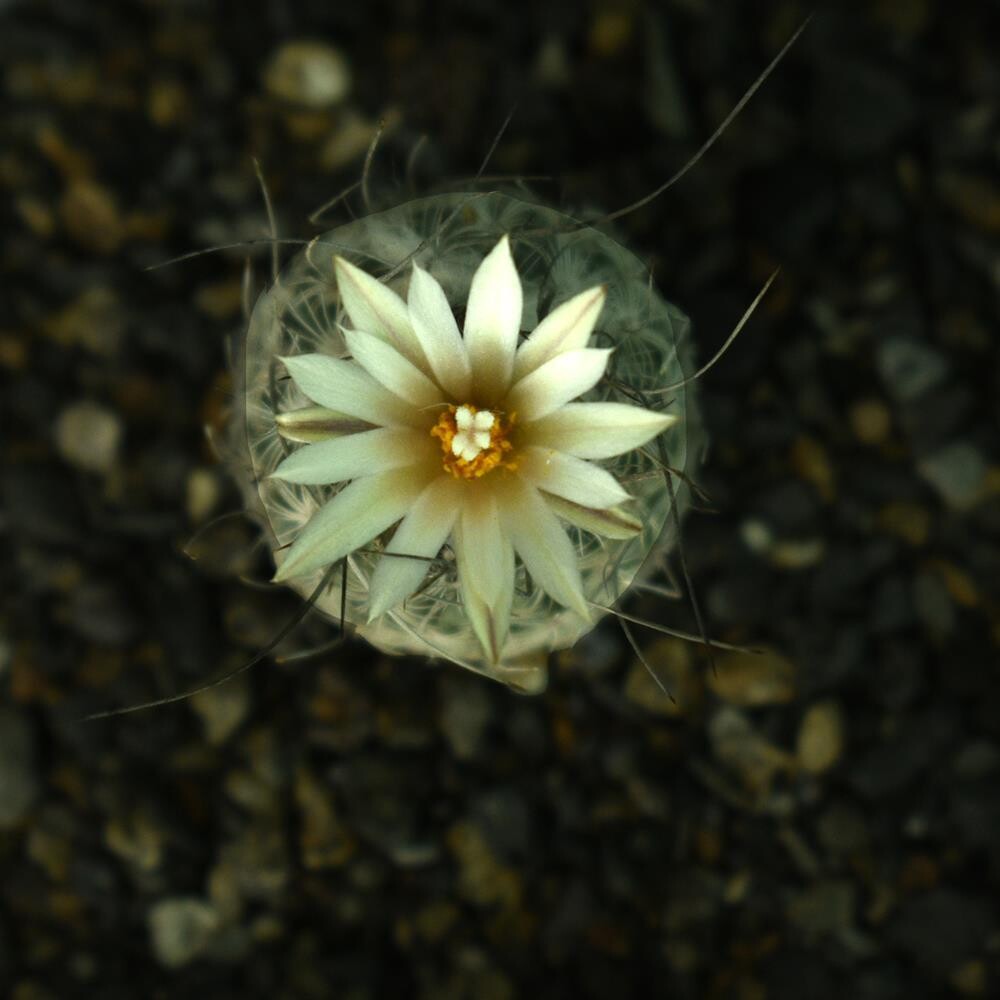
Turbinicarpus schmiedickeanus ssp. dickisoniae is a petite, globular cactus, typically only 1-3 inches in diameter, with a smooth, bluish-green body. Its surface is marked by faint tubercles or ribs, laid out in a symmetric, almost geometric pattern. Its most eye-catching feature is its dazzling, large, funnel-shaped flowers—bright pink, magenta, or reddish—appearing in spring and early summer, often with a charming fragrance that attracts pollinators.
Despite its small, unassuming size, its striking floral display makes it a highly desirable addition to miniature cactus collections, especially for those who appreciate delicate, colorful blooms in a tiny package.
Conservation Status:
Turbinicarpus schmiedickeanus ssp. dickisoniae is a cultivated variety and is not currently endangered. However, wild populations are susceptible to habitat disturbance and overcollection. Responsible sourcing from reputable nurseries and growing from seed significantly contribute to conservation efforts, reducing pressure on wild populations and supporting biodiversity.
Care:
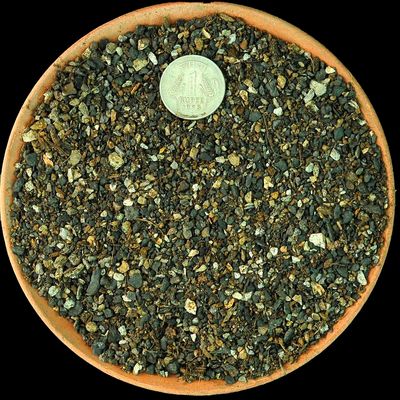
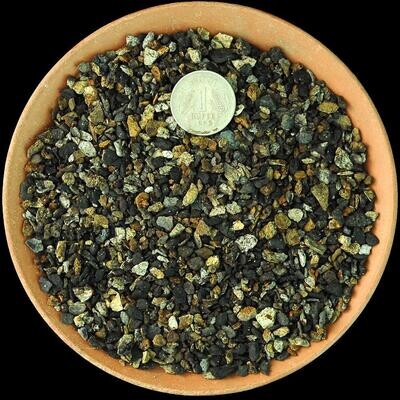
This miniature cactus loves bright, direct sunlight—aim for at least 4-6 hours daily—to ensure vibrant color and healthy flowering. Use a well-draining cactus or succulent soil mix, preferably with coarse sand or grit to prevent waterlogging. Water sparingly during the growing season—about once every 3-4 weeks—and ensure the soil dries completely before watering again. During winter dormancy, water minimally or not at all, keeping the plant dry and cool.
It prefers warm temperatures between 70°F and 85°F (21°C to 29°C) and should be protected from frost and freezing temperatures. Good airflow and a dry environment are key to preventing rot and keeping this tiny gem thriving. With proper care, dickisoniae will reward you with its tiny stature and spectacular spring blooms.
Interesting Anecdote:
Turbinicarpus schmiedickeanus ssp. dickisoniae is highly prized among cactus collectors for its delicate size and striking flowers, often regarded as a “jewel” of the desert. Its discovery and subsequent propagation exemplify the passion and dedication of early 20th-century explorers like Elizabeth Dickison, who traveled remote Mexican hillsides in pursuit of botanical treasures. Legend has it that indigenous communities have long revered similar small cacti for their resilience and beauty, inspiring modern cultivators to preserve and celebrate these tiny but resilient desert wonders.