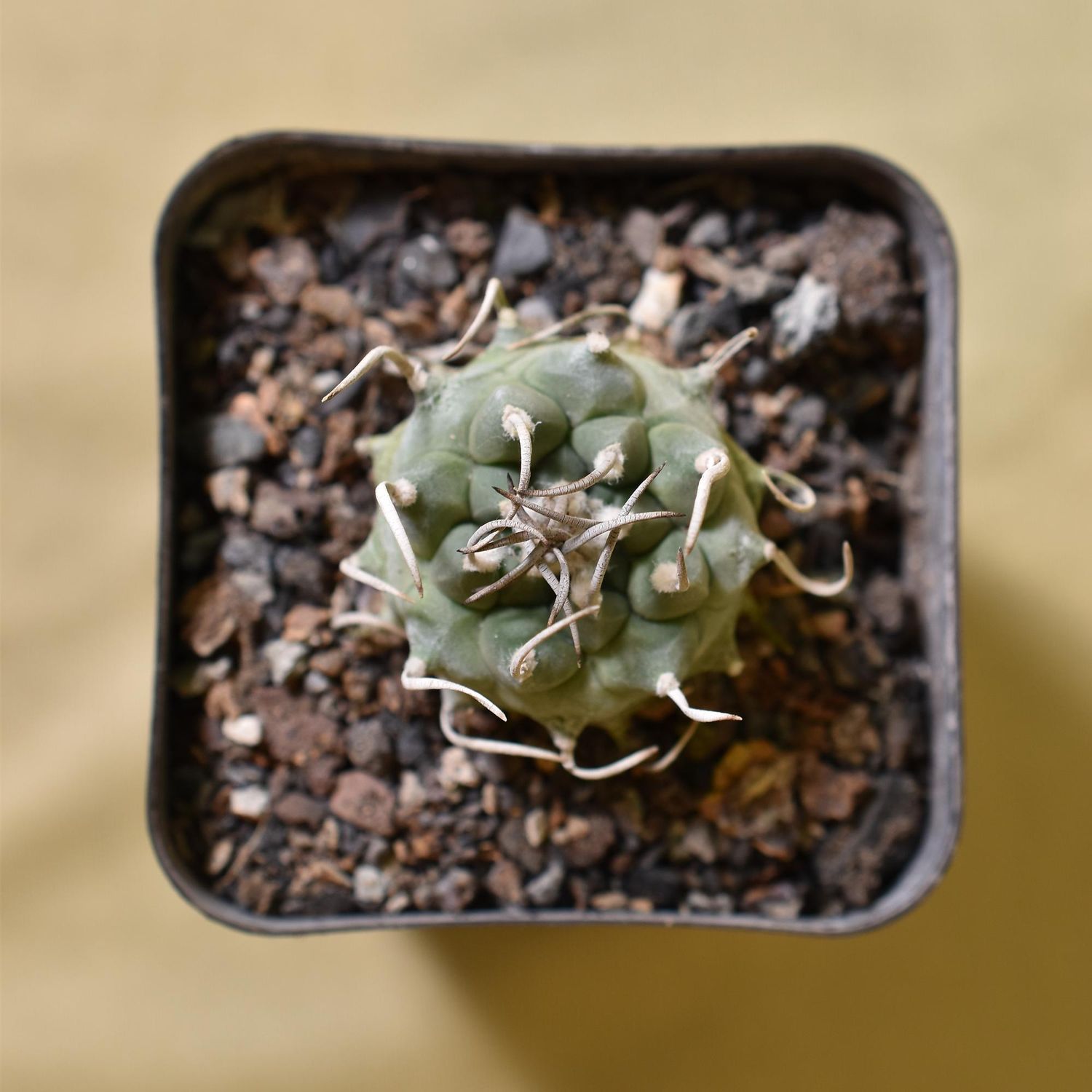
Turbinicarpus schmiedickeanus ssp. Klinkerianus
Product Details
The Rugged Miniature: Turbinicarpus schmiedickeanus ssp. klinkerianus
A connoisseur’s treasure, this slow-growing Mexican marvel is prized for its prehistoric appearance and extreme habitat resilience.
- Origin & History of Name: The genus name Turbinicarpus is derived from the Latin turbo (spinning top) and Greek karpos (fruit), referencing the fruit's shape. This subspecies is named in honor of Heinz Klinker, a German succulent enthusiast who supported field research in Mexico. It was formally described in the mid-20th century as part of the complex schmiedickeanus group.
- Morphology: This miniature cactus features a flattened, globose epidermis that ranges from brownish-grey to olive green. It is distinct for its prominent, rounded tubercles rather than continuous ribs (costae). Each areole bears short, corky, and flexible spines that often curve inward, mimicking dried grass.
It produces funnel-shaped flowers, typically white or pale pink with a darker mid-stripe. - Habitat & Origin: This is a wild species native to the arid limestone hills of San Luis Potosí, Mexico.
It is a highly specialized lithophyte, often growing in rocky crevices. All specimens offered are nursery-propagated from seed to ensure the protection of wild populations, as the species is CITES-listed due to habitat loss. - Cultivation Profile:
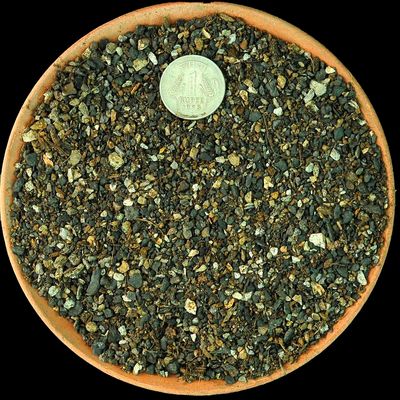
- Substrate: Use a strictly mineral-based mix (70-80% grit). Combine volcanic pumice, crushed limestone, and coarse perlite with a minimal amount of organic matter.
- Light: High intensity, filtered sunlight. In the Indian subcontinent, provide bright morning sun but use 50% shade netting during peak summer afternoons to prevent epidermis scorching.
- Water/Dormancy: Follow a "soak and dry" method during the growing season. Observe strict winter dormancy (November to February) by keeping the plant completely dry. In humid Indian monsoons, ensure excellent air circulation to prevent rot.
- Scientific/Historical Anecdote: Turbinicarpus species are masters of "cryptic coloration." In their native habitat, they often shrink into the soil during droughts, becoming nearly invisible against the limestone gravel. This survival mechanism, combined with their corky spines, allows them to blend in perfectly with their surroundings to avoid herbivory.
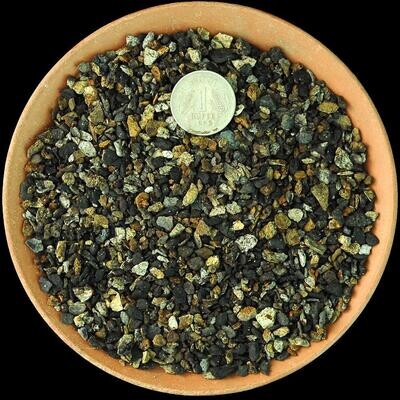
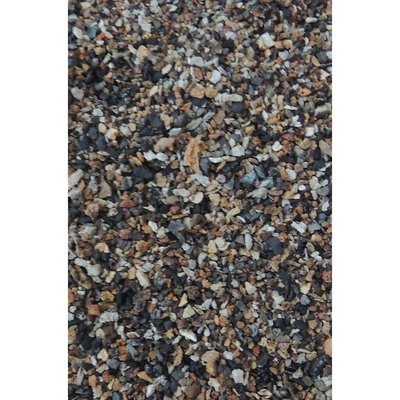
Cactus & Succulent Planting Mix COARSE (aka Cactus Soil Mix or Succulent Soil Mix)
Cactus & Succulent Planting Mix COARSE (aka Cactus Soil Mix or Succulent Soil Mix)
Washed, Free-Draining Mineral Mix for Cactus & Succulents
SKU MNS003
₹44.85
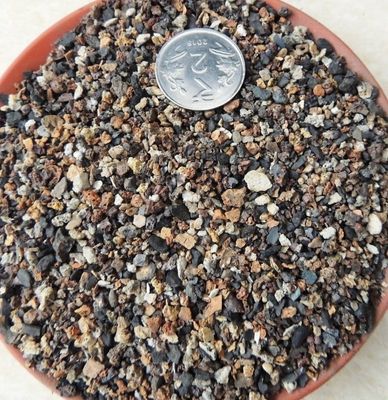
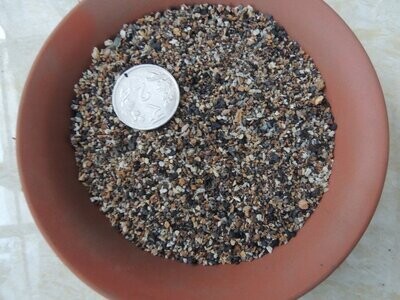
Cactus & Succulent Planting Mix FINE (aka Cactus Soil Mix or Succulent Soil Mix)
Cactus & Succulent Planting Mix FINE (aka Cactus Soil Mix or Succulent Soil Mix)
Fine-Grain Potting Mix for Cactus & Succulent Roots
SKU MNS001
₹39.85
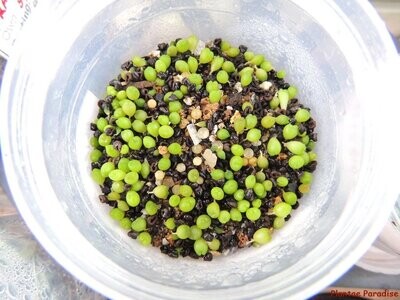
Cactus Seed Planting Mix
Cactus Seed Planting Mix
Sterile, Fine-Grain Media for Cactus & Succulent Seeds
SKU MNS005
₹74.85