

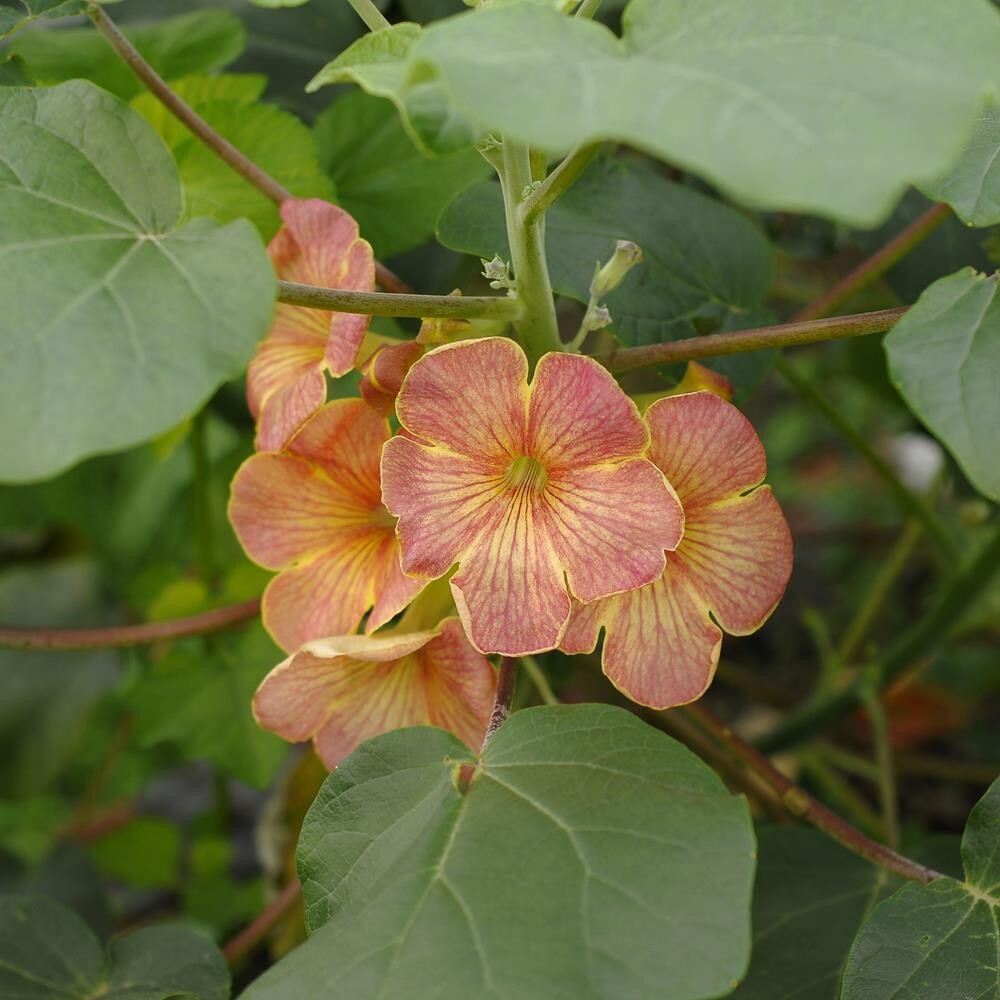
Uncarina hybrid - Antique Rose
Product Details
Vintage Charm: Uncarina Hybrid 'Antique Rose'
Colour and plant size as shown. GRAFTED PLANT.
- Origin & History of Name: Uncarina takes its name from the Greek unkos (hooked), describing the barbed seed pods that are the genus's most recognisable feature. Formally placed within the Pedaliaceae family, Uncarina has long been valued in Madagascar and, more recently, among succulent collectors worldwide. This hybrid was selectively bred to bring a fresh shade into a genus best known for its golden-yellow blooms.
- Morphology: This specimen is a pachycaul succulent with a swollen, water-storing trunk and soft, pubescent (fuzzy), lobed leaves. Dusky rose-red petals with a muted, antique quality are edged in golden-yellow and finely veined in a deeper wine-red.
- Habitat & Origin: This colour form is a cultivated hybrid rather than a wild species; it has been developed through controlled breeding of Uncarina stock originating in Madagascar's seasonally dry forests. Our plants are propagated entirely in cultivation, with no wild collection involved.
- Cultivation Profile:
- Substrate: Use a high-porosity, mineral-dominant mix — roughly 60% grit (coarse sand, scoria, or pumice) to 40% aged compost or coco-peat — to support the swollen root system while preventing waterlogging.
- Light: Bright, indirect light or filtered sun suits it best. During peak Indian summer, 30–50% shade helps prevent leaf scorch, while good light levels encourage the strongest flower colour.
- Water/Dormancy: Water regularly through the monsoon and summer growing season. As a deciduous succulent it goes fully dormant in winter — once the leaves yellow and drop (typically around December in India), stop watering entirely until new growth resumes, to protect the caudex from rot.
- Scientific/Historical Anecdote: The genus is famous for its barbed, "hitchhiker" fruit, evolved to snag onto passing animal fur for seed dispersal — a strategy so effective that the hooked pods were historically repurposed by Malagasy people as natural hairbrushes. The flowers themselves are chiefly pollinated by beetles rather than bees, an unusual trait that shapes the plant's thick, waxy petal structure.
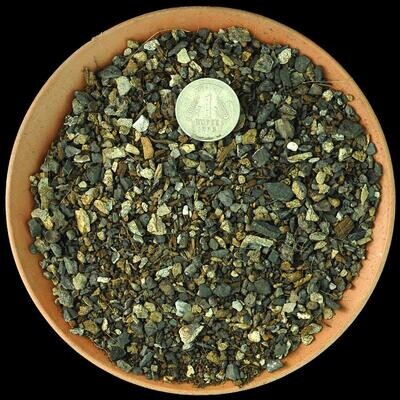
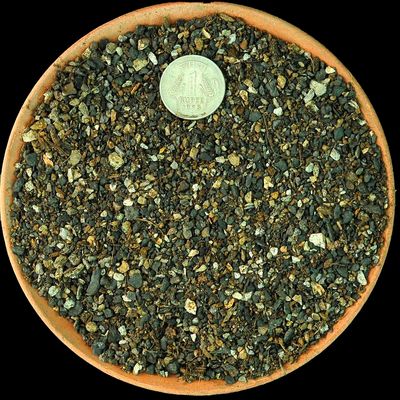
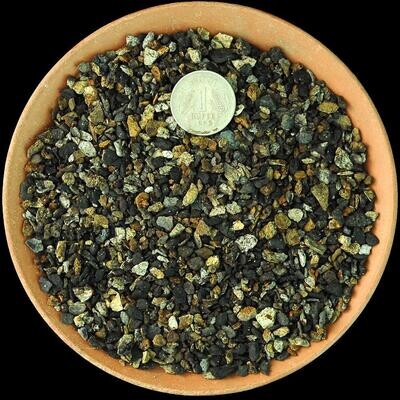
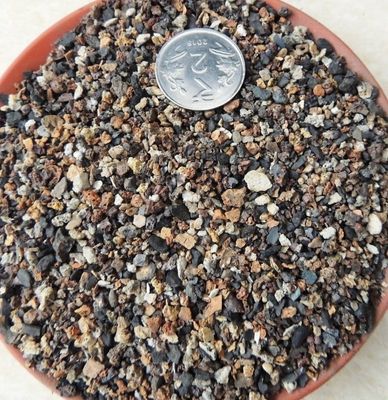
Cactus & Succulent Planting Mix COARSE (aka Cactus Soil Mix or Succulent Soil Mix)
Cactus & Succulent Planting Mix COARSE (aka Cactus Soil Mix or Succulent Soil Mix)
Washed, Free-Draining Mineral Mix for Cactus & Succulents
SKU MNS003
₹44.85
Cactus & Succulent Planting Mix FINE (aka Cactus Soil Mix or Succulent Soil Mix)
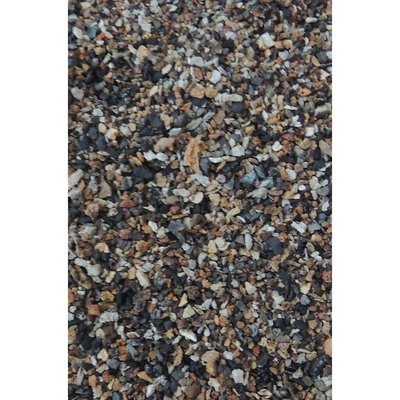
Cactus & Succulent Planting Mix FINE (aka Cactus Soil Mix or Succulent Soil Mix)
Fine-Grain Potting Mix for Cactus & Succulent Roots
SKU MNS001
₹39.85