Weingartia lanata: A Prickly Perfection
Origin of Name
The name "Weingartia" honors Wilhelm Weingart, a German cactus enthusiast and collector active in the early 20th century. This genus was named in recognition of his contributions to the botanical community through his extensive work with cacti. The species name "lanata" derives from Latin, meaning "woolly," which describes the plant's characteristic hairy or woolly appearance.
Origin of Plant
Weingartia lanata is indigenous to the high-altitude regions of Bolivia. Predominantly found in the departments of Cochabamba and Potosí, this cactus thrives in rocky terrains typical of the Andes, where it enjoys a unique ecosystem of dry air and bright sunlight. Its native environment has shaped its ability to withstand varied temperatures and sparse water availability.
Description
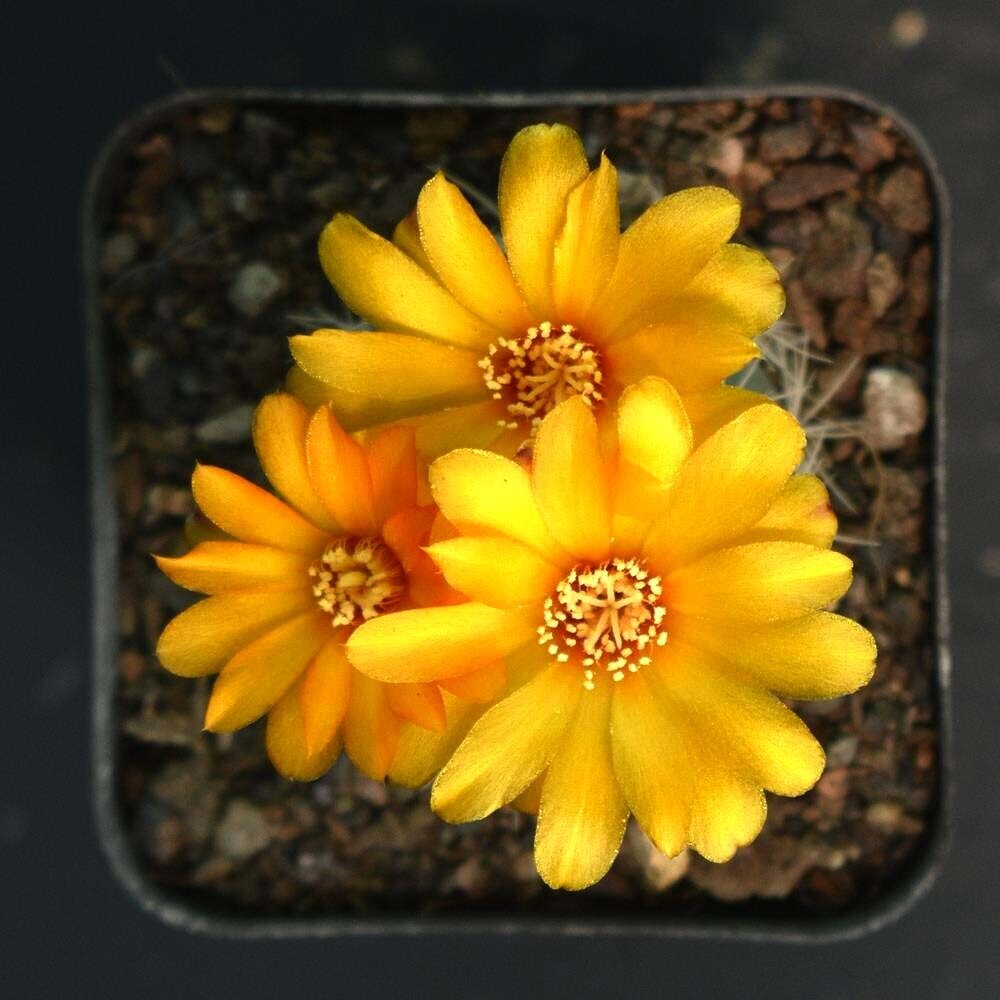
Weingartia lanata is a small, globular cactus characterized by its distinctive woolly covering, which gives it a striking appearance among succulents. It typically grows in clusters, with individual stems reaching around 5 to 10 centimeters in diameter. The plant features spiny areoles from which golden-yellow spines radiate. In the blooming season, Weingartia lanata produces vibrant yellow or orange flowers that create a beautiful contrast against its woolly surface.
Conservation Status
While not currently listed as endangered, Weingartia lanata populations are subject to habitat pressures from agricultural expansion and climate change in their native regions. Efforts to cultivate this cactus species in botanical gardens and through private collectors help to preserve its genetic diversity and reduce the impact of habitat loss.
Care
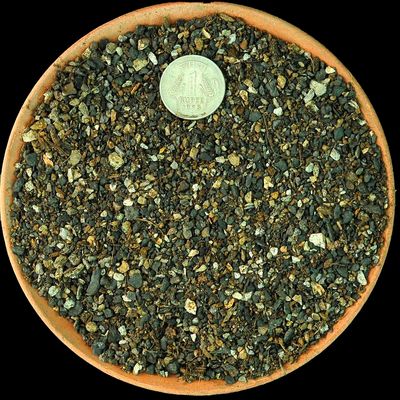
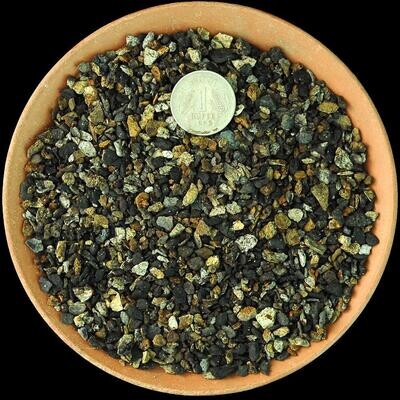
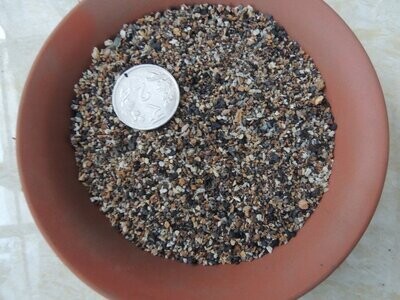
To care for Weingartia lanata, mimic its natural habitat by providing plenty of light and a well-draining soil mixture. Use cactus soil with a mix of sand, gravel, and pumice to prevent root rot. During the growing season in spring and summer, water the cactus moderately, allowing the soil to dry out completely between waterings. Reduce watering significantly in autumn and winter to emulate its natural dormancy period. This cactus prefers cooler conditions during winter but should be protected from frost. Regular fertilization with a cactus-specific fertilizer during the growing season can promote healthy growth and flowering.