

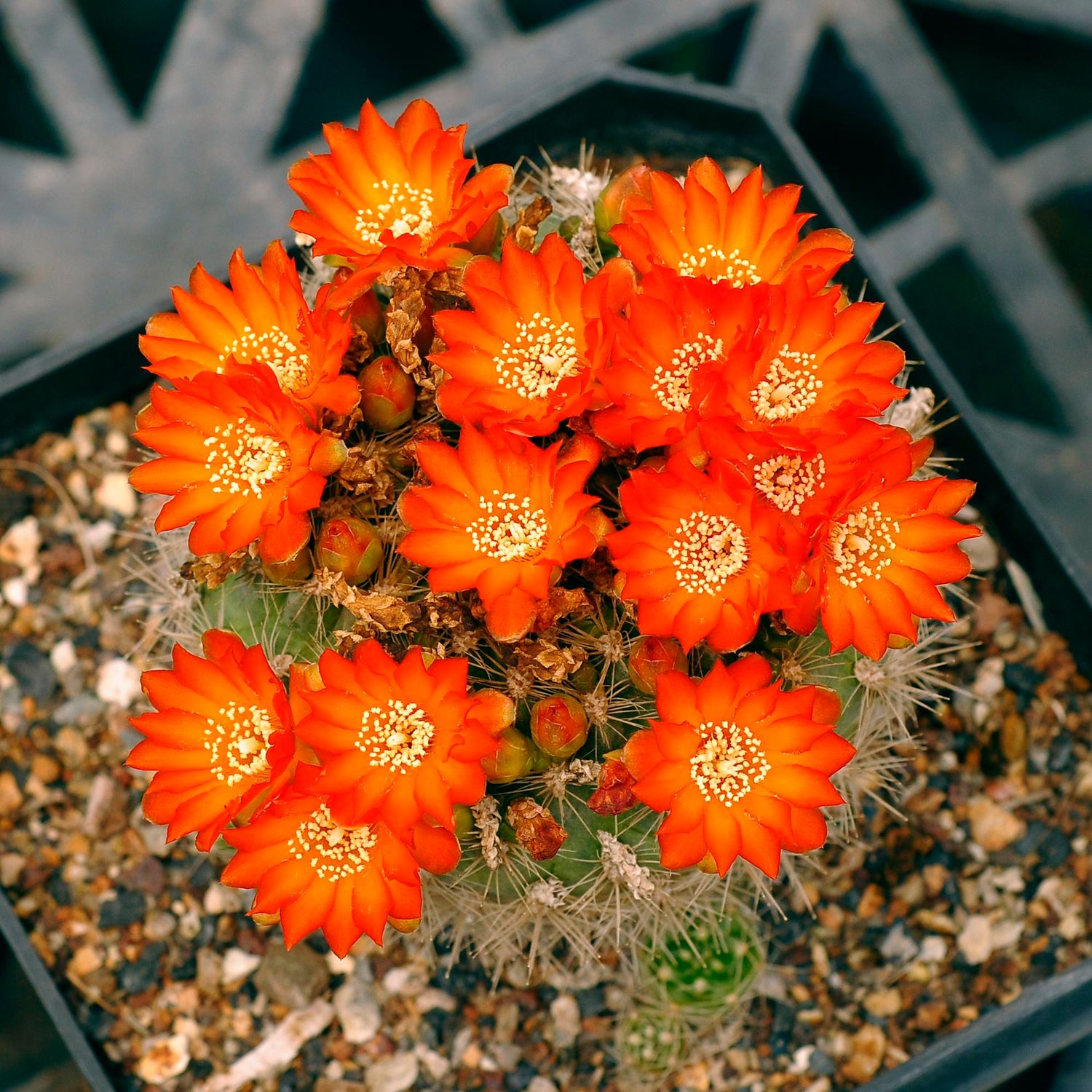
Weingartia trolli Rosa Syn Rebutia neocumingii Ssp trolii Orange/Red
Product Details
Rare Andean Treasure: Weingartia trollii f. rosa (Syn. Rebutia neocumingii ssp. trollii)
A high-altitude masterpiece prized by collectors for its dense, golden spination and vibrant rose-colored blooms.
- Origin & History of Name: The genus Weingartia was named in honor of Wilhelm Weingart, a 20th-century German cactus specialist.
the species name trollii commemorates the German botanist Wilhelm Troll, who conducted extensive biological research in the Andes. The "Rosa" designation refers to the specific color form of its flowers, distinguishing it from the more common yellow-flowering varieties. - Morphology: This solitary, globose cactus features a dark green epidermis divided into distinct, spiraling tubercles (bumps) rather than continuous ribs. Each areole is heavily armed with stiff, pectinate spines that provide natural UV protection. It is most distinguished by its diurnal, funnel-shaped flowers that emerge from the upper part of the plant body.
- Habitat & Origin: This is a wild species native to the high-elevation rocky grasslands of southern Bolivia. It thrives in crevices at altitudes between 2,000 and 3,000 meters. Our specimens are nursery-grown from seed to ensure the conservation of wild Andean populations and local biodiversity.
- Cultivation Profile:
- Substrate: Use a strictly mineral-based mix (70% grit/pumice/washed coarse sand, 30% organic matter) to prevent root rot.
- Light: Requires bright, indirect sunlight. In the Indian summer, provide 50% shade cloth protection to avoid scorching the epidermis during peak afternoon heat.
- Water/Dormancy: Water deeply only when the medium is completely dry. In the Indian monsoon, keep the plant strictly dry to avoid humidity-related fungal issues. Observe a dry winter dormancy to encourage spring flowering.
- Scientific/Historical Anecdote: Botanists have long debated the classification of this plant, moving it between Weingartia, Sulcorebutia, and Rebutia. Recent phylogenetic studies suggest that Weingartia are actually "environmental specialists" that evolved unique tuberous root systems to survive the extreme temperature fluctuations of the high Andes, making them tougher than they appear.
New

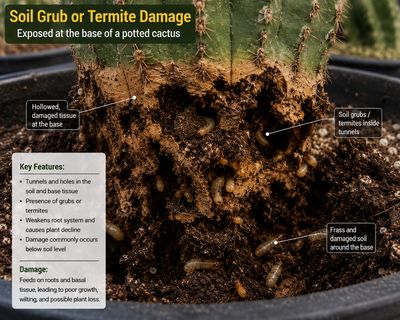
Monsoon Guardian Kit (5 in 1)
Monsoon Guardian Kit (5 in 1)
Complete 5-in-1 biological protection kit for cacti & succulents
SKU MNS024
₹850.00
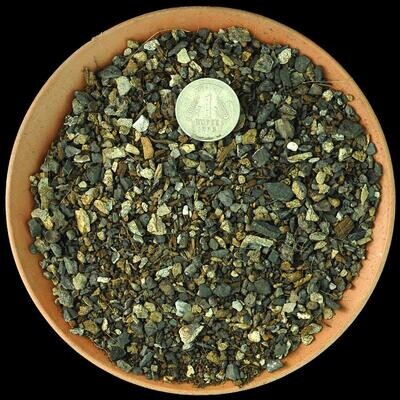
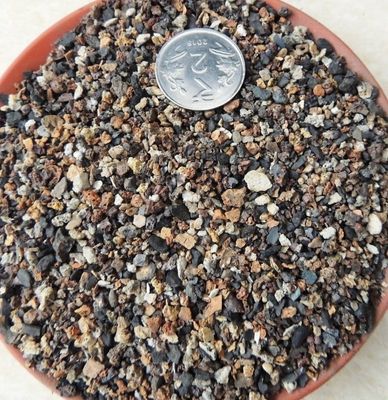
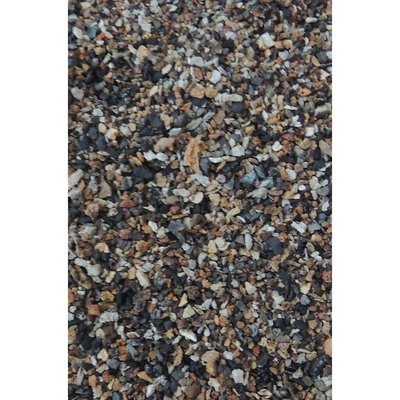
Cactus & Succulent Planting Mix FINE (aka Cactus Soil Mix or Succulent Soil Mix)
Cactus & Succulent Planting Mix FINE (aka Cactus Soil Mix or Succulent Soil Mix)
Fine-Grain Potting Mix for Cactus & Succulent Roots
SKU MNS001
₹39.85
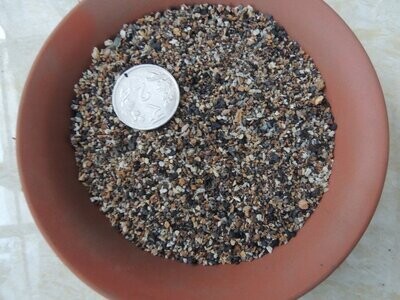
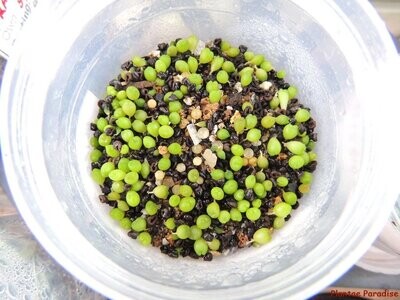
Cactus Seed Planting Mix
Cactus Seed Planting Mix
Sterile, Fine-Grain Media for Cactus & Succulent Seeds
SKU MNS005
₹74.85