1. Origin of Name:
The genus "Wigginsia" is named in honor of the American botanist and cactus enthusiast, Charles Wiggins, who contributed significantly to the study of South American cacti. The species name "sessiliflora" combines Latin roots: "sessile," meaning "without a stalk," and "flora," meaning "flower." This botanical name highlights the distinctive characteristic of the plant’s flowers, which appear directly attached to the stem without a supporting stalk. Wigginsia sessiliflora’s name reflects both its botanical features and the admiration of the botanists who documented its unique traits during explorations of South America’s arid regions.
2. Origin of Plant:
Wigginsia sessiliflora is native to the dry, rocky caves and cliffs of northern Argentina and southern Bolivia. This cactus has adapted to survive in extreme conditions with minimal water and high sun exposure. Discovered during late 20th-century expeditions focused on South American desert flora, this species exemplifies the resilience and specialized adaptations of cacti in harsh environments.
3. Description:
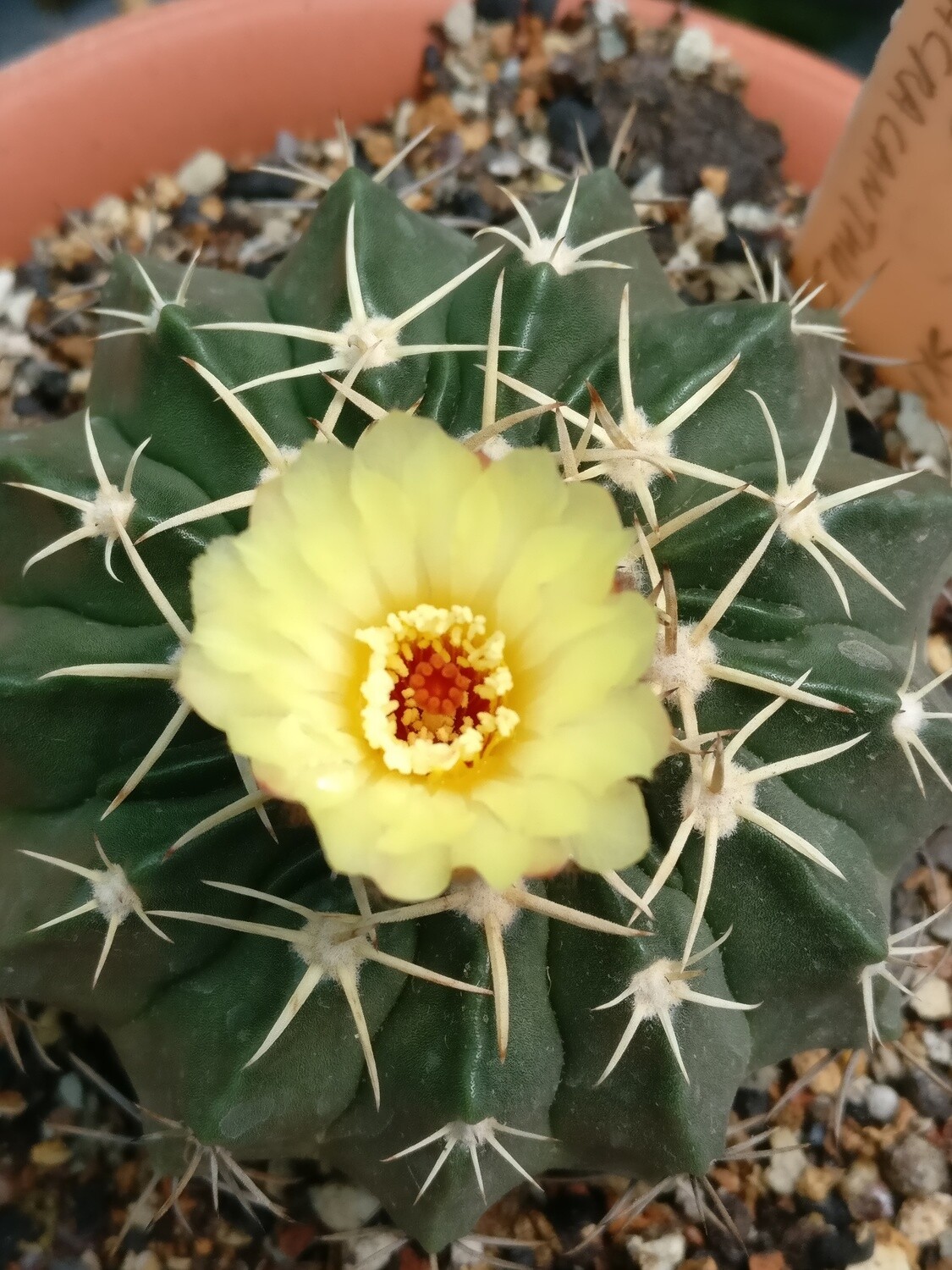
Wigginsia sessiliflora is a small, globular cactus distinguished by its smooth, pale green stem and distinctively sessile, bell-shaped flowers that directly emerge from the plant’s surface. The flowers are typically a subtle pink or lavender hue, adding a touch of delicate beauty. The plant is compact, usually reaching only about 3-4 inches in diameter, making it perfect for small pots or terrariums. Its unique flower attachment and sleek appearance make it a captivating specimen for collectors interested in rare and unusual cacti.
4. Conservation Status:
Though not currently listed as endangered, Wigginsia sessiliflora’s specialized habitat faces threats from habitat disturbance and illegal collection. Its rarity and limited distribution make responsible cultivation essential to prevent overharvesting from the wild. Cultivating this species helps support conservation efforts and ensures its beauty remains accessible to enthusiasts.
5. Care:
Growing Wigginsia sessiliflora successfully involves mimicking its natural environment:
- Watering: Water sparingly, allowing the soil to dry completely between waterings. Overwatering can cause root rot.
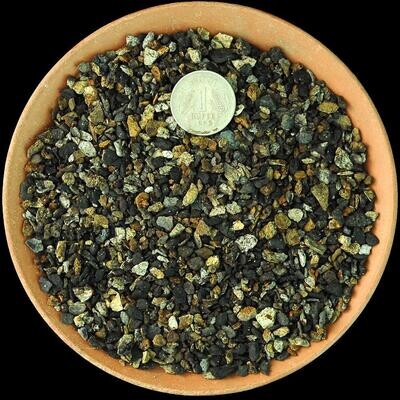
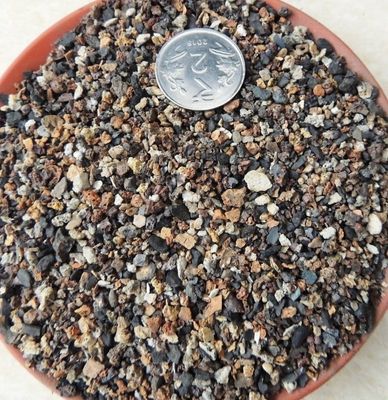
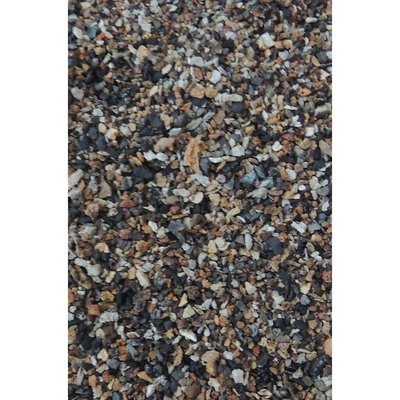
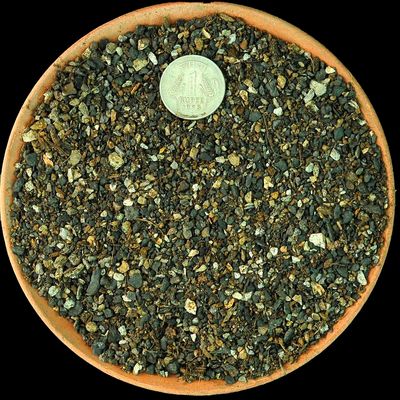
- Soil: Use a gritty, well-draining cactus or succulent mix with added sand or perlite.
- Light: Provide bright, direct sunlight for at least 4-6 hours daily. It thrives in full sun but should be protected from intense afternoon heat if unshielded.
- Temperature: Prefers warm temperatures between 60°F (16°C) and 80°F (27°C). Protect from frost and cold drafts.
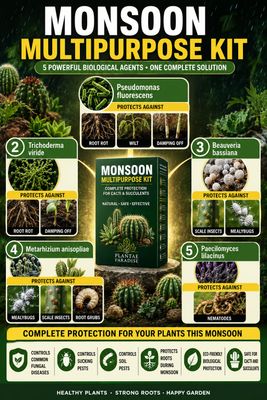
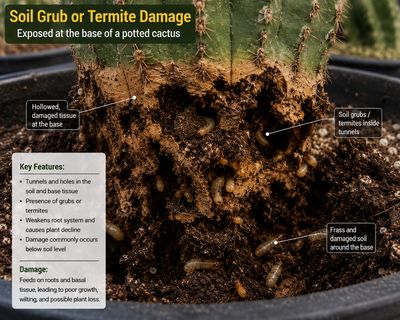
- Tips: Fertilize lightly during the active growing season with a cactus-specific fertilizer, and watch out for pests such as scale or mealybugs.
Wigginsia sessiliflora captivates with its elegant form and rare flower display, making it a prized addition to any cactus collection. Its unique floral attachment and resilience in demanding environments exemplify nature’s artistry and adaptability.