Wigginsia turbinata
Product Details
The Woolly Crown: Wigginsia turbinata
An architectural South American treasure prized for its soft, woolly apex and shimmering lemon-yellow blooms.
- Origin & History of Name: The genus name Wigginsia honors American botanist Ira Loren Wiggins (1899–1987), a distinguished researcher of desert flora.
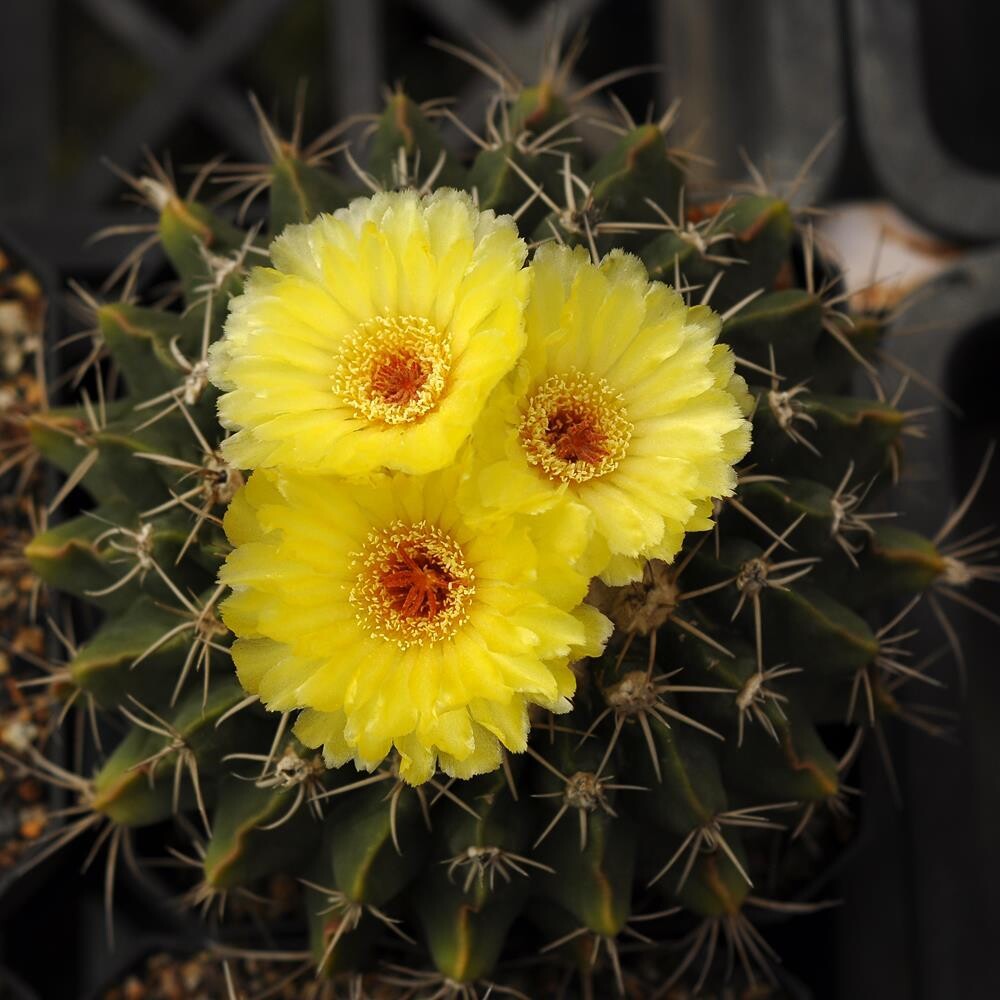
The specific epithet turbinata is derived from the Latin turbinatus, meaning "shaped like a top" (as in a spinning top), referencing the plant's distinctive obconic or flattened-globular body shape. - Morphology: This solitary cactus features a dark green, flattened epidermis with a prominent, depressed center filled with dense, white wool. It possesses 12 to 20 sharp costae (ribs) adorned with woolly areoles that bear short, slightly curved spines. Its most striking feature is the apical wool from which large, funnel-shaped yellow flowers emerge, followed by fleshy red seed berries.
- Habitat & Origin: This is a wild species native to the grasslands of Uruguay and Southern Brazil (Rio Grande do Sul). It grows primarily in rocky outcrops and pampas.
Our specimens are exclusively nursery-propagated from seed to ensure the conservation of its natural South American habitat. - Cultivation Profile:
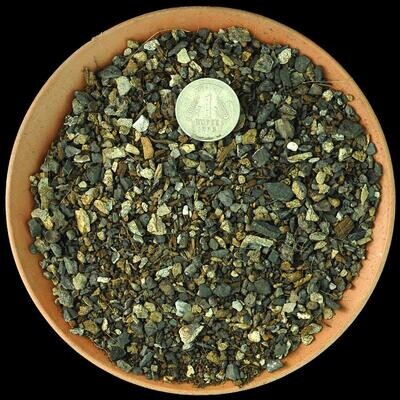
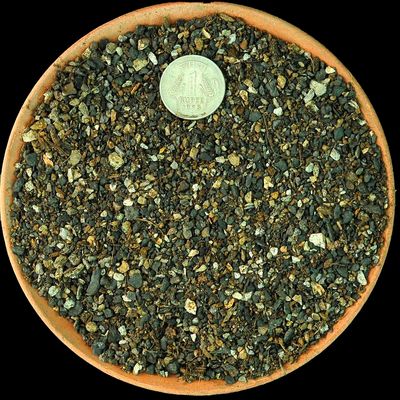
- Substrate: Requires a high-porosity mineral-based mix (coarse sand, grit, and volcanic rock) with minimal organic matter. Excellent drainage is critical to protect the sensitive taproot.
- Light: Thrives in full sun to partial shade. In the Indian subcontinent, morning sun is ideal; provide afternoon shade during peak summer to prevent epidermal yellowing.
- Water/Dormancy: Water thoroughly only when the medium is 100% dry. During the Indian monsoon, keep the plant under cover to avoid waterlogged soil. Maintain a dry dormancy period in winter to trigger spring flowering.
- Scientific/Historical Anecdote: The genus Wigginsia has been the subject of long-standing botanical debate; many taxonomists previously merged it into Notocactus or Parodia. However, collectors still maintain the name Wigginsia because of the genus's unique biological trait: the fruit remains protected and buried within the apical wool until it is fully ripe, eventually being pushed out like a bright red berry.
New
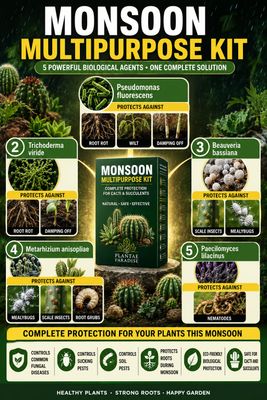
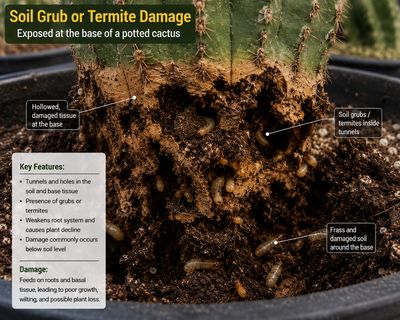
Monsoon Guardian Kit (5 in 1)
Monsoon Guardian Kit (5 in 1)
Complete 5-in-1 biological protection kit for cacti & succulents
SKU MNS024
₹850.00
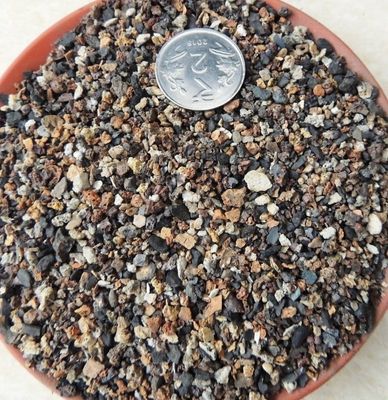
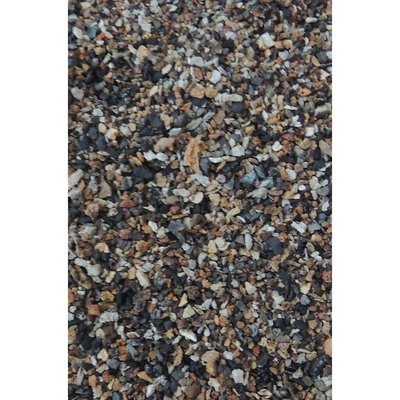
Cactus & Succulent Planting Mix FINE (aka Cactus Soil Mix or Succulent Soil Mix)
Cactus & Succulent Planting Mix FINE (aka Cactus Soil Mix or Succulent Soil Mix)
Fine-Grain Potting Mix for Cactus & Succulent Roots
SKU MNS001
₹39.85