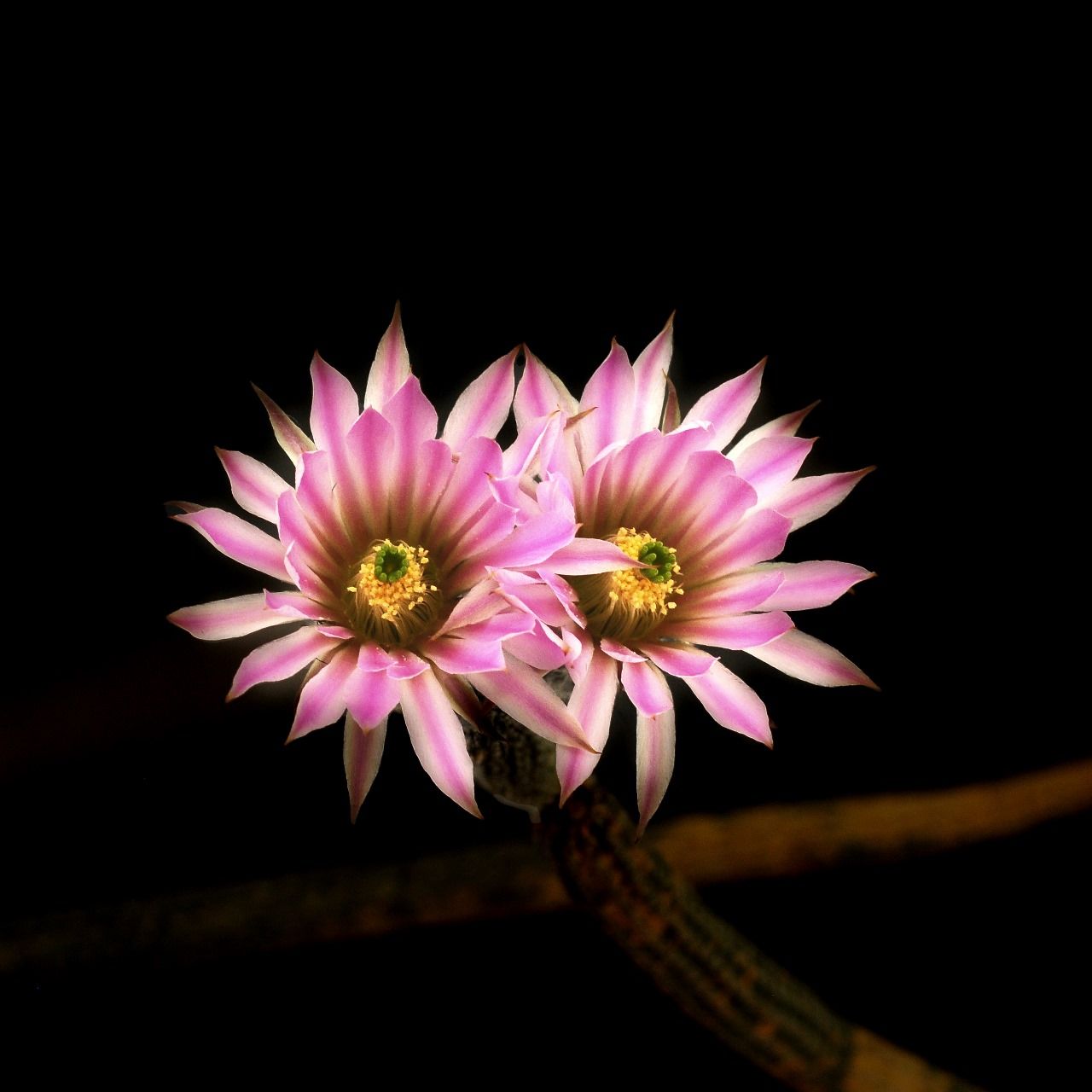
The Underground Treasure: Wilcoxia kroenleinii A deceptive desert masterpiece, this species hides a massive, dahlia-like caudex beneath slender, cryptic stems that erupt into surprisingly large, silk-textured magenta blooms.
1. Origin & History of Name The genus name Wilcoxia (now often taxonomically merged into Echinocereus) honors U.S. Brigadier General Timothy E. Wilcox, a 19th-century plant collector. The specific epithet kroenleinii pays tribute to Marcel Kroenlein (1928–1994), the celebrated former director of the Jardin Exotique de Monaco, acknowledging his immense contributions to the study and conservation of succulent flora.
2. Morphology This species is defined by its dramatic geophytic structure: a cluster of tuberous, dahlia-like roots (the caudex) that serve as water reservoirs. Above ground, it produces extremely slender, pencil-thick cylindrical stems (shoots) that are often greyish-green and cryptic. The epidermis is armed with fine, unobtrusive spines radiating from small areoles. In season, the plant produces large, funnel-form flowers in vibrant shades of magenta or pink, which are disproportionately large compared to the delicate stems.
3. Habitat & Origin Wilcoxia kroenleinii is a wild species endemic to the semi-desert regions of Northeastern Mexico, specifically Coahuila and Nuevo León.
4. Cultivation Profile
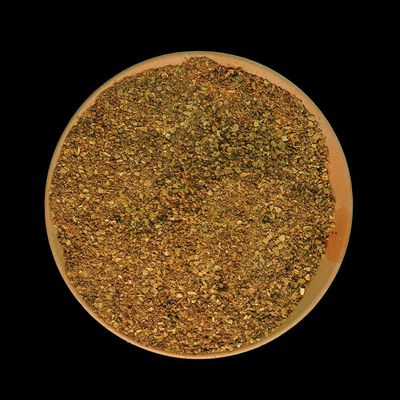
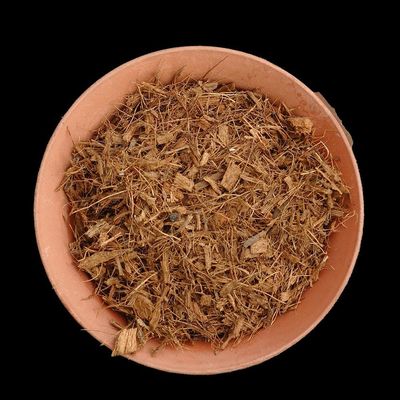
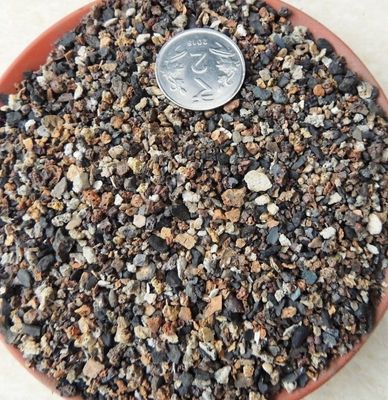
- Substrate: Requires a highly porous, mineral-dominant mix (70% pumice, lava grit, or perlite; 30% sifted compost) to prevent tuber rot. Avoid heavy garden soil or coco-peat heavy mixes.
- Light: Thrives in bright, filtered sunlight. In the harsh Indian summer (May–June), provide 30-50% shade cloth protection to prevent stem bleaching; in winter, full sun is beneficial.
- Water/Dormancy: Water moderately during the growing season (March–September), allowing the pot to dry completely between waterings. Crucial for India: Keep completely dry and sheltered during the monsoon to prevent fungal attacks on the tubers; reduce water significantly in winter (dormancy) to mimic its natural dry season.
5. Scientific/Historical Anecdote A fascinating biological adaptation of this species is its "cryptic mimicry." In the wild, the thin, dry-looking stems resemble dead twigs or dried grass, making the plant nearly invisible to herbivores during the dry season. It is only when the seasonal rains trigger its rapid, vibrant flowering that the plant reveals its location, a strategy that prioritizes survival over display until reproduction is necessary.