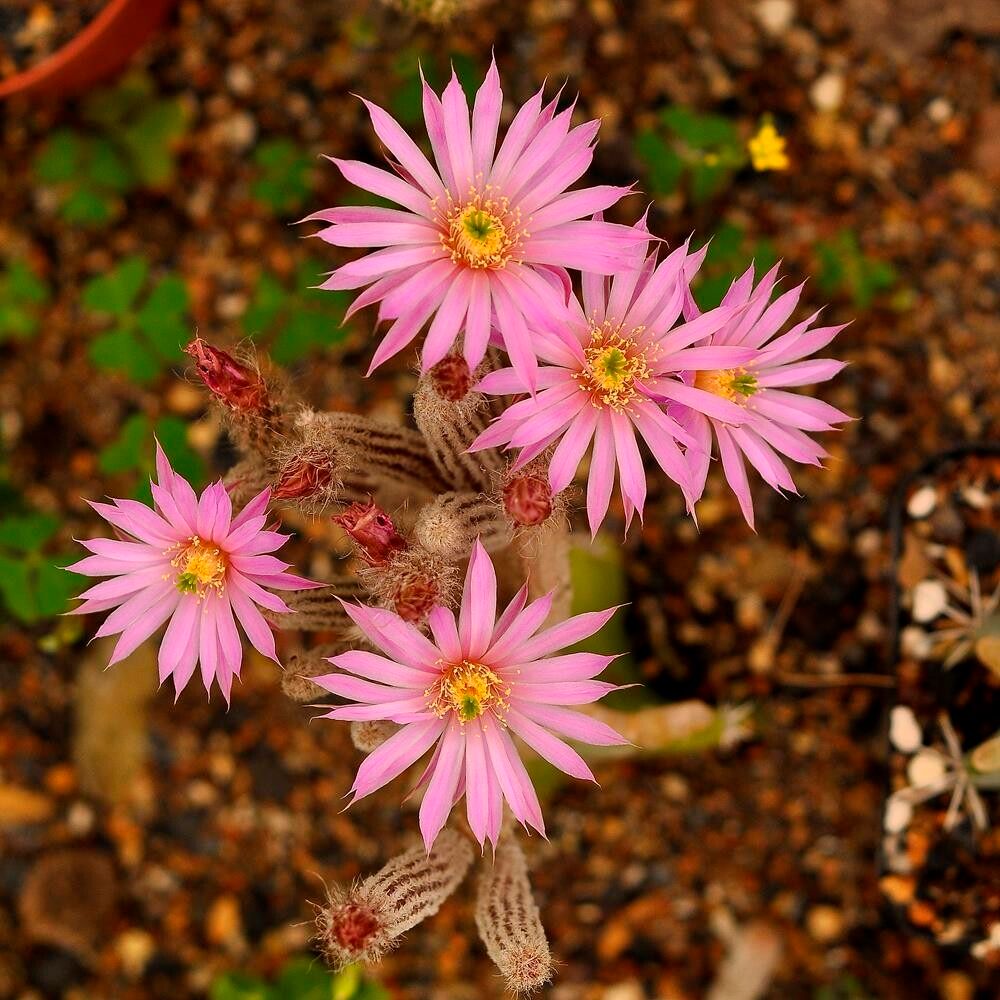
Wilcoxia schmollii (Echinocereus schmollii)
Product Details
The Resilient Lead-Pipe Cactus: Wilcoxia schmollii (Echinocereus schmollii)
An elusive, tuberous treasure prized by connoisseurs for its unique vine-like stems and vibrant silk-petaled blooms.
- Origin & History of Name: The genus name Wilcoxia honors Brigadier General Timothy E. Wilcox, a 19th-century U.S. Army surgeon and plant collector.
- Morphology: This cactus is characterized by a "geophytic" nature, possessing large, fleshy tuberous roots that store water underground.
- Habitat & Origin: This is a wild species endemic to the semi-arid regions of Querétaro, Mexico. It is currently classified as an endangered species in its native habitat due to over-collection and land development.
- Cultivation Profile:
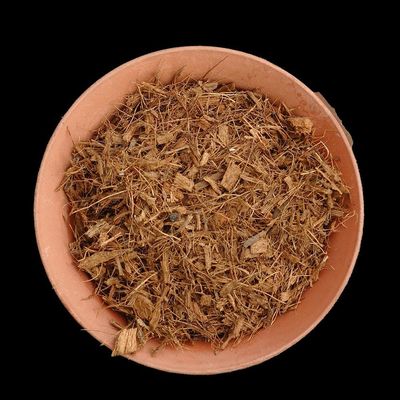
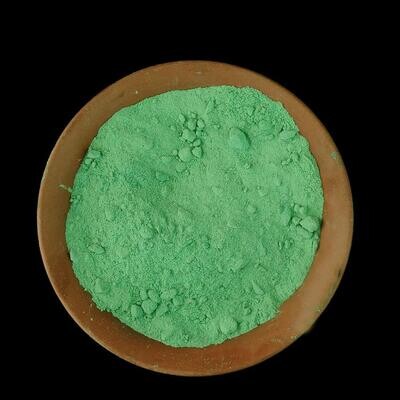
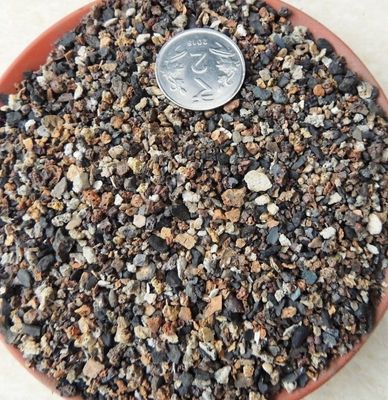
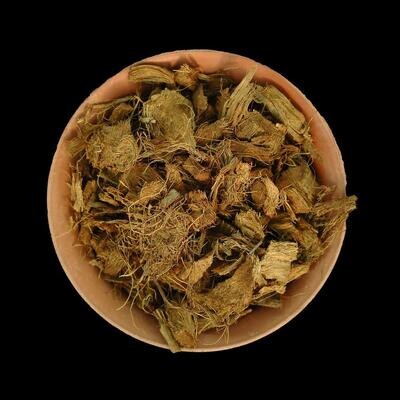
- Substrate: Requires a strictly mineral-based mix (70% grit/pumice, 30% organic matter). In the Indian climate, ensure the pot is porous (terracotta) to prevent root rot in the tubers.
- Light: High-intensity filtered sunlight. In Indian summers, provide 50% shade cloth protection to prevent the stems from scorching during the peak afternoon.
- Water/Dormancy: Water thoroughly only when the medium is bone-dry. During the Indian monsoon and winter, strictly withhold water to respect its mandatory dormancy; the tuberous roots are highly susceptible to fungal infections in humid, stagnant air.
- Scientific/Historical Anecdote: Echinocereus schmollii is often called the "Lamb's Tail" cactus because of its soft, pendulous stems.