Synonyms:
Xerosicyos danguyi var. intermedius
Origin of Name:
The genus name "Xerosicyos" derives from the Greek words "xeros," meaning "dry," and "sicyos," meaning "cucumber," indicating the plant's adaptations to arid environments. The species name "danguyi" honors the botanist who contributed to its classification, while the common name "Silver Dollar Plant" reflects the distinctive, round, thick leaves resembling silver coins.
Origin of Plant:
Xerosicyos danguyi is native to the dry regions of Madagascar, where it grows in the semi-arid to arid environments of the island. It typically thrives in rocky and well-drained soils, adapted to the challenging climate of its habitat.
Short Description:
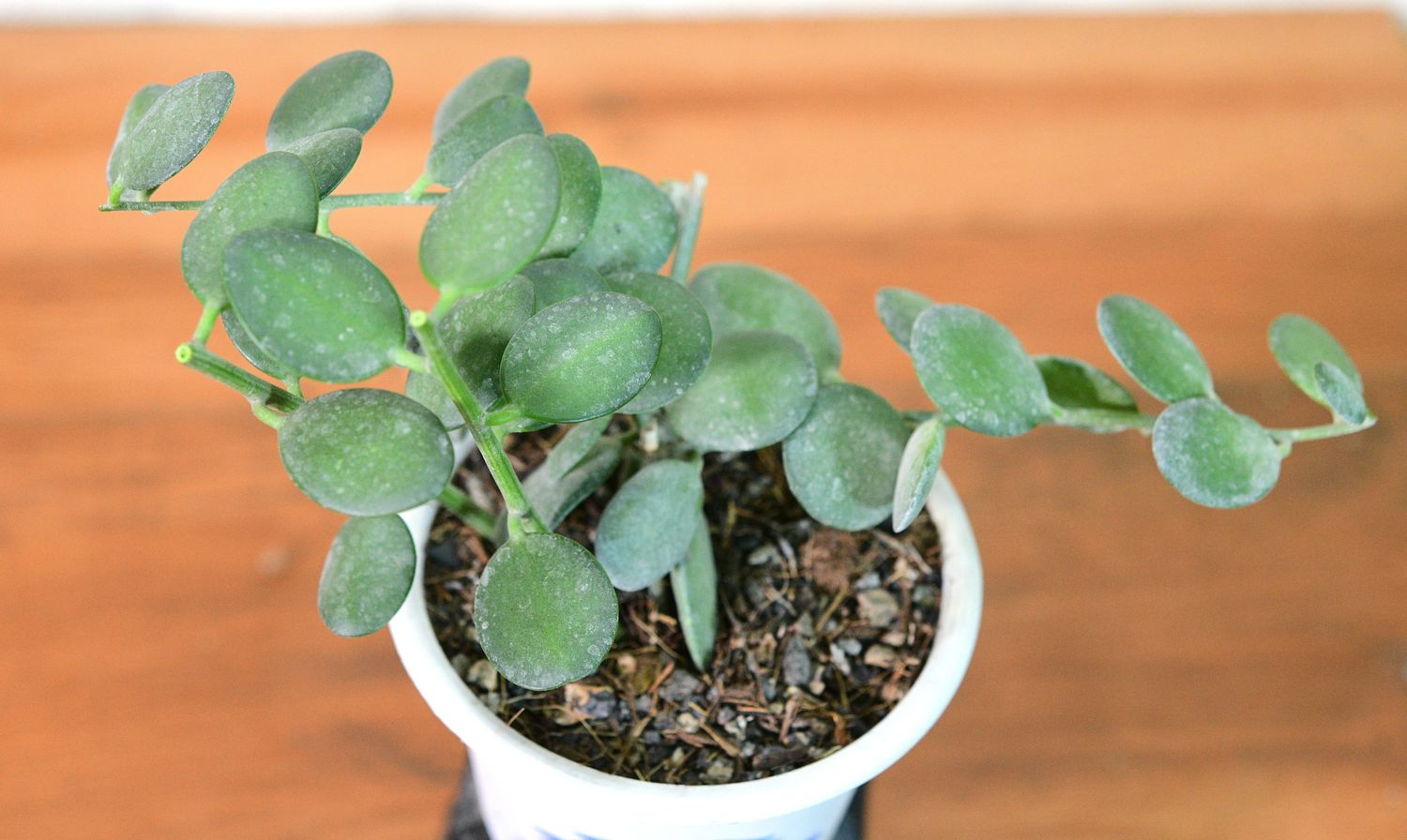
Xerosicyos danguyi, known as the Silver Dollar Plant, is a unique succulent vine characterized by its fleshy, rounded leaves that have a silvery-green coloration. The leaves can grow up to several inches in diameter, forming a cascading effect as they hang from the stems. This plant produces small, white to pale yellow flowers that are not particularly showy but add to its overall charm. Its growth habit makes it an attractive choice for hanging baskets or trellises.
Conservation Status:
Currently, Xerosicyos danguyi is not listed as endangered; however, habitat loss and climate change pose risks to its native populations. Our specimens are propagated in nurseries to support sustainable gardening practices, ensuring minimal impact on natural habitats.
Care Instructions:
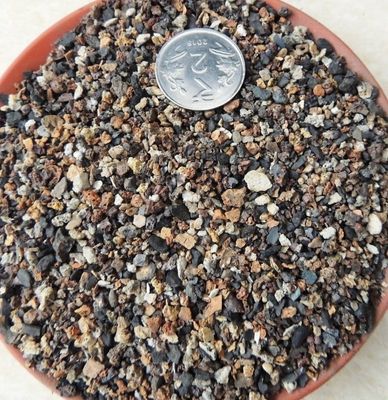
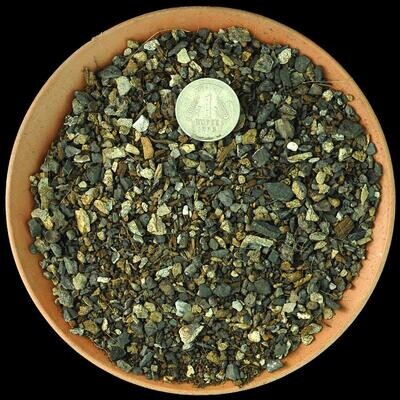
Xerosicyos danguyi prefers a well-draining soil mix designed for succulents and cacti. It thrives in bright, indirect sunlight to full sun. Water sparingly, allowing the soil to dry out completely between waterings, as overwatering can lead to root rot. During the winter months, reduce watering significantly as the plant's growth slows. Fertilize during the growing season with a diluted, balanced fertilizer to encourage healthy foliage development. The plant’s trailing nature makes it suitable for containers or hanging arrangements, and it can be pruned as needed to maintain its shape.