

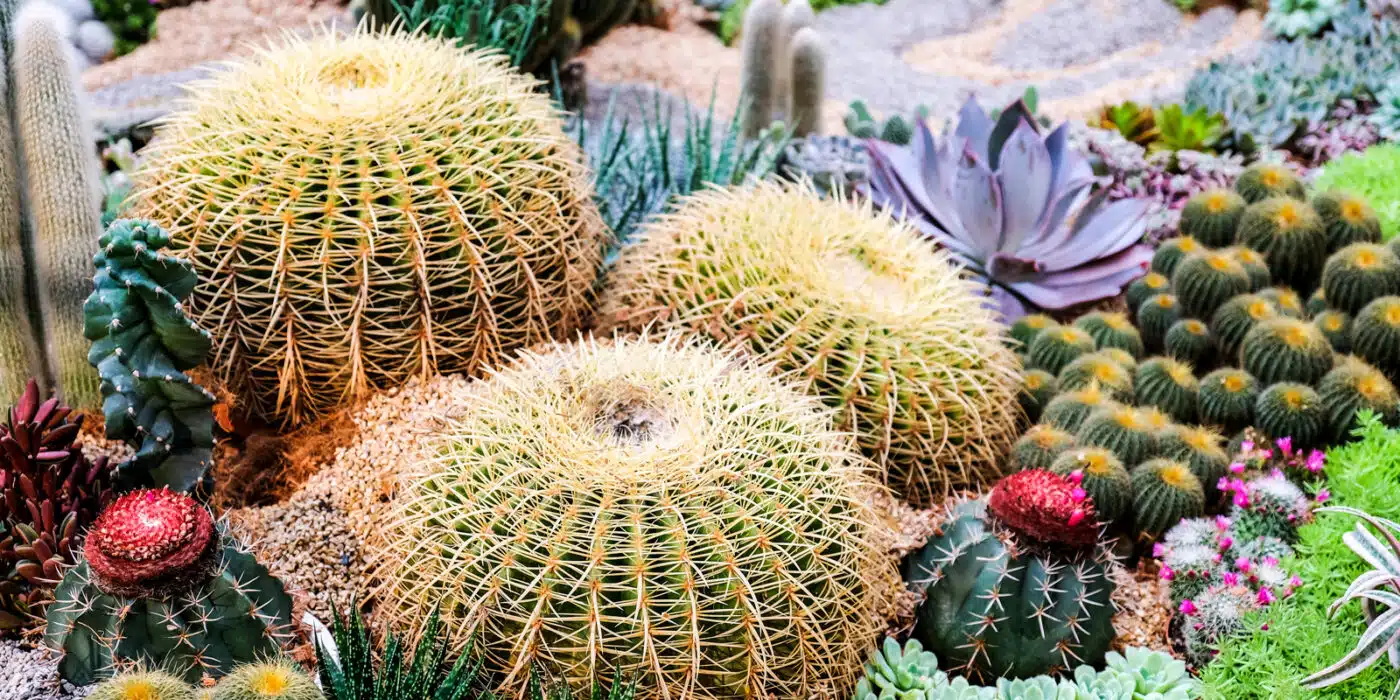
Why This Conversation Matters
Every World Environment Day invites us to pause and ask a deeply personal question:
Think back to your childhood. Remember the magic of exploring the outdoors – the thrill of discovering resilient life growing in impossible places? Those moments shape how we connect with nature.
As collectors of cacti, succulents and caudiciforms, we have a responsibility to ensure the next generation experiences that same wonder.
For cactus and succulent lovers, this question is especially important. As collectors and online nurseries grow worldwide, so does the demand for rare, old, and field-collected plants.
On the surface, it looks like appreciation for biodiversity. Look closer, and the picture changes.
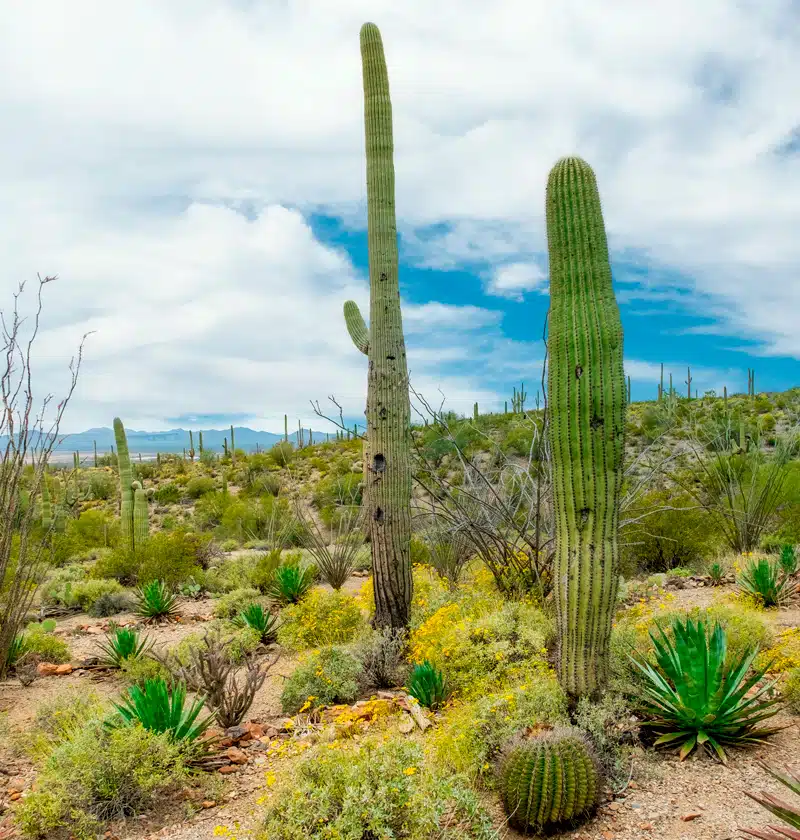
True stewardship means leaving behind a thriving world – not stripping future generations of discovery.
A Borderless Responsibility
Nature is borderless. Biodiversity belongs to everyone, and therefore we are all globally responsible for not pressurizing fragile ecosystems – whether they exist in Mexico, Chile, Madagascar or Socotra.
For centuries, cacti and succulents have been cultivated worldwide. Today, we already possess an enormous cultivated gene pool. Rather than searching for new plants from the wild, we should focus on tissue culture, grafting and seed production using plants already in circulation.
Conservation is not about owning the rarest specimen – it’s about ensuring wild places stay wild.
The Global Mining of Wild Beauty
Madagascar
Collectors increasingly pressure Pachypodium and Baobab populations through illegal harvesting and seed poaching.
Socotra
The Americas
Biodiversity mining is replacing conservation in many fragile habitats.
Field-Collected Cacti: Conservation or Just Collecting?
If you’ve been in the hobby for a while, you’ve definitely seen labels like “Field collected Copiapoa cinerea” and “Wild Lophophora williamsii”. These are plants physically removed from their natural populations.
- “Field collected Copiapoa cinerea – Chile”
- “Habitat plant – Ariocarpus fissuratus”
- “Wild Lophophora williamsii, 30+ years old”
- “Old collected Astrophytum asterias”
These are plants physically removed from their natural populations.
Common justifications include:
- “The habitat is already being destroyed; we’re saving them.”
- “We’re preserving the gene pool in cultivation.”
- “Local communities get income.”
But the real question is:
Are we really preserving the gene pool, or just satisfying our lust for exotic, trophy plants?
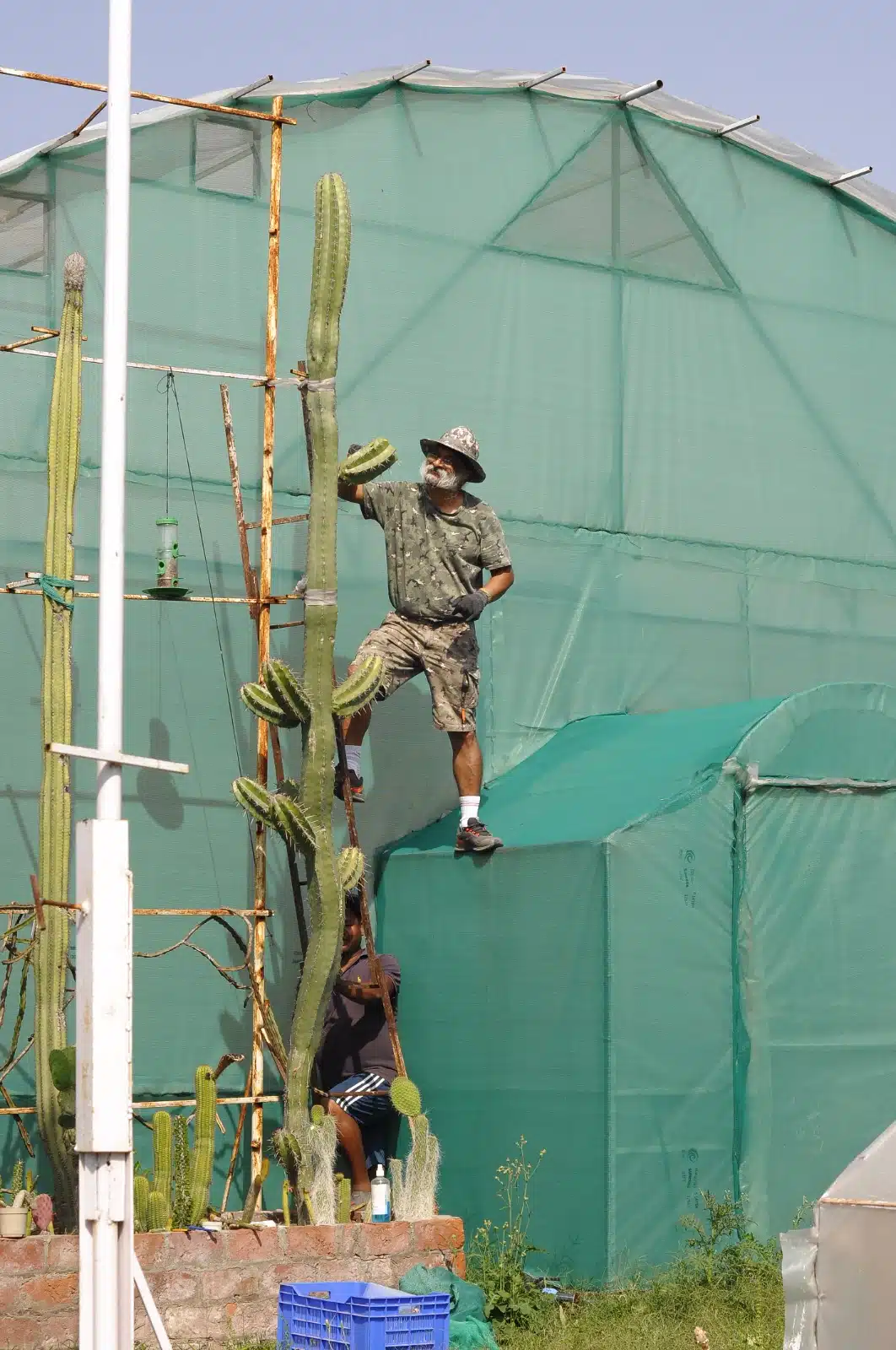
What Really Happens When a Wild Cactus Is Uprooted
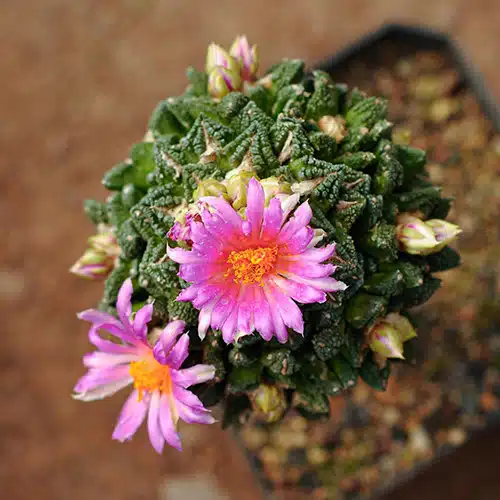
Ariocarpus
Ariocarpus species (A. kotschoubeyanus, A. fissuratus – many in CITES Appendix I)
- Painfully slow-growing; a mature plant can be 30–60 years old.
- Removing one plant erases decades of growth.
- Removes a mature seed producer from the wild.
- Disturbs the carefully balanced microhabitat.
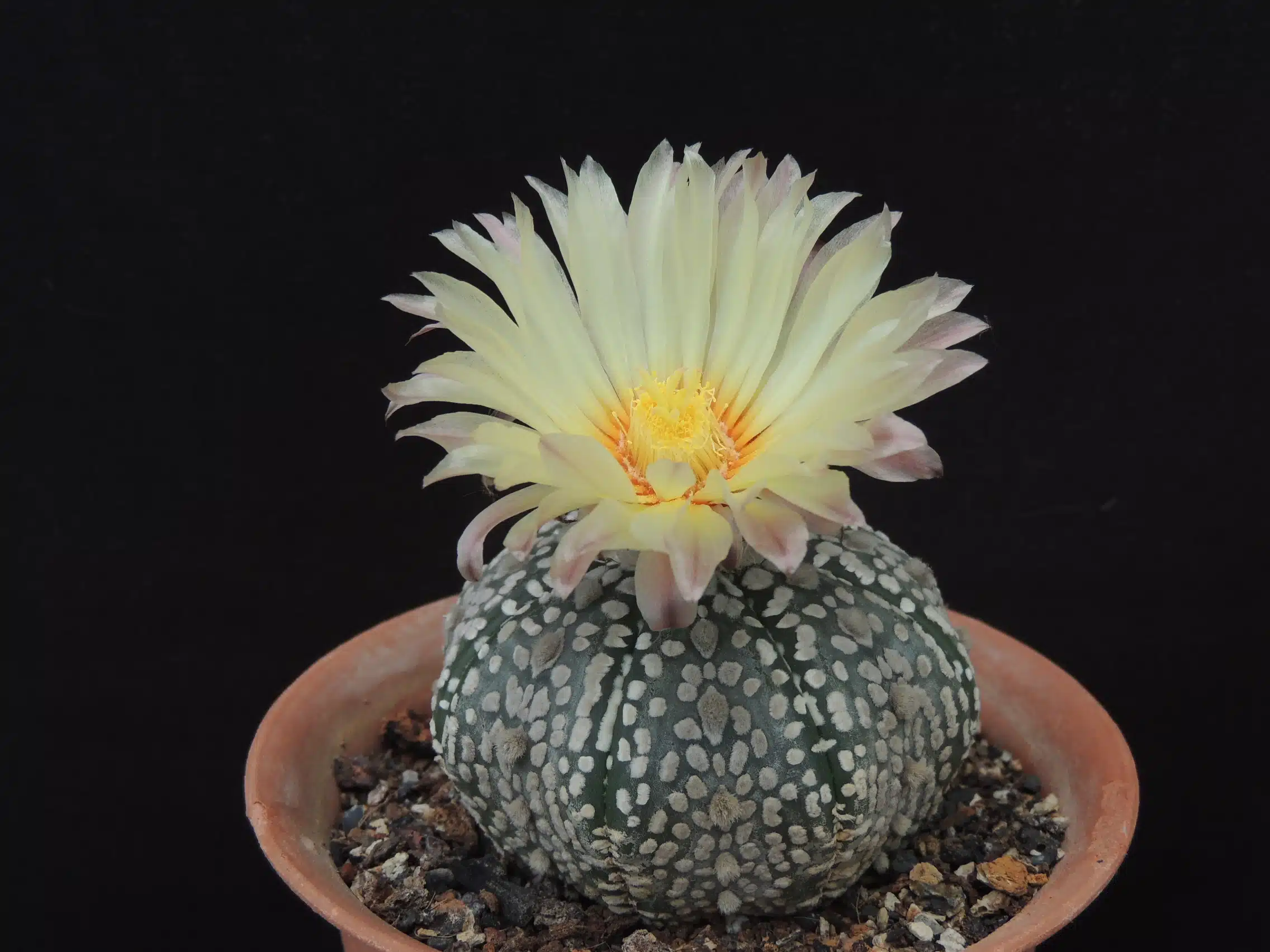
Astrophytum
Astrophytum asterias (Appendix I)
- Once more widespread in the Rio Grande region.
- Over-collection and habitat loss severely reduced populations.
- Every wild collected plant sold further damages shrinking populations.
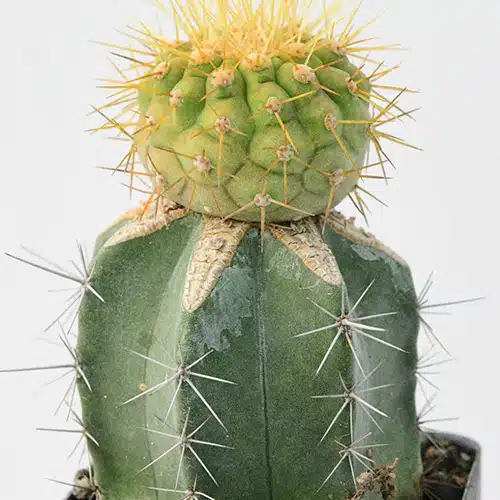
Copiapoa
Copiapoa species like Copiapoa cinerea, C. haseltoniana, C. columna-alba
- Native to Chile’s coastal fog deserts.
- Huge ancient clumps have been dug up.
- Some hillsides are now almost bare due to illegal collecting.
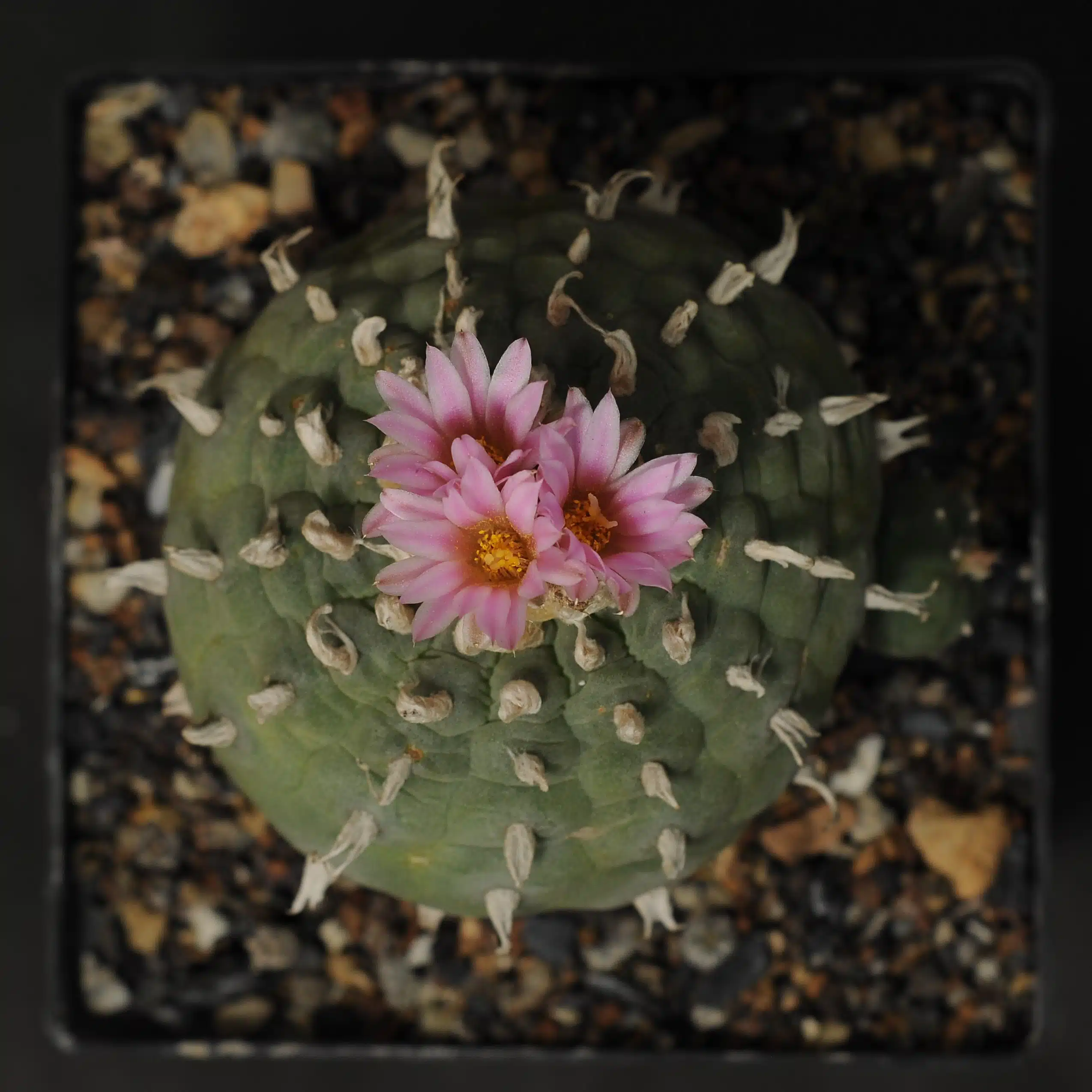
Lophophora
Lophophora williamsii (peyote)
- Over-harvested for ritual, recreational and collector demand.
- In some areas, populations are collapsing.
Truly loving cacti means refusing to support wild poaching.
The High Stakes of Plant Poaching
Illegal collecting is no longer a small underground hobby – it has become an international black market.
Operation Atica
South Africa Crisis
Biosecurity Risks
Aesthetic demand is now directly contributing to ecological collapse in some regions.
What Is CITES - And Is India a Signatory?
CITES = Convention on International Trade in Endangered Species of Wild Fauna and Flora.
- International agreement regulating trade in wild animals and plants so it doesn’t threaten their survival.
- In force since 1975.
Is India a CITES party?
Yes. India has been a signatory since 1976 and must implement CITES regulations.
Appendix I
Appendix II
India & CITES
The Grusonii Paradox
The Golden Barrel cactus (Echinocactus grusonii) exists in millions of gardens worldwide, yet is nearly extinct in its original habitat in Mexico.
Cultivation is not a substitute for habitat preservation.
Phytosanitary Certificates & Plant Quarantine
What is it?
An official document issued by the National Plant Protection Organisation (NPPO) of the exporting country.
- Plants were officially inspected.
- They are free from specified quarantine pests and diseases.
- They comply with the plant health requirements of the importing country.
In India, this is done by government plant protection and quarantine authorities – not private nurseries.
Very Important Clarification
Local nurseries or exporting nurseries are NOT legally empowered to issue phytosanitary certificates.
- Apply for inspection
- Present plants to plant quarantine officers
- Coordinate paperwork
But the actual phytosanitary certificate is issued only by authorised government agencies, never by a private grower or exporter printing their own certificate.
If someone claims “We give our own phytosanitary certificate from our nursery,” that is either misunderstanding or misrepresentation.
Schedule VI of the Wildlife (Protection) Act, 1972 and Schedule VI of the Plant Quarantine (Regulation of Import into India) Order, 2003
You cannot cultivate, possess, sell, buy or transport Schedule VI plants without proper permission.
The relevant Indian law is the Wildlife (Protection) Act, 1972.
- Schedule VI lists plant species given the highest level of protection.
- Examples include Nepenthes khasiana and Paphiopedilum orchids.
- Currently no cacti are listed as they are not endemic, but the principle remains important.
Schedule VI of the Plant Quarantine.
- This schedule is part of the Plant Quarantine framework in India, which regulates the import of plants and plant products to prevent the introduction and spread of pests.
- Schedule VI typically lists plants and plant materials that are prohibited from import or require special permits and phytosanitary measures to be imported into India. It ensures biosecurity and prevents ecological harm from invasive species.
Ethical Alternatives: Seeds, TC & Grafting
1. Seed-Grown Plants
Seed offers:
- Legal, sustainable propagation.
- Better adaptation to pot culture.
- Preservation and expansion of genetic diversity.
Excellent candidates:
Ariocarpus, Astrophytum, Turbinicarpus, Copiapoa, Mammillaria, Gymnocalycium and Echinopsis.
2. Tissue-Cultured (TC) Plants
- Mass production from tiny plant tissue.
- Disease-free plants raised in sterile labs.
- No repeated harvesting from the wild.
Used for: Ariocarpus, Astrophytum, Haworthia, Aloe, Gasteria, Sansevieria and Euphorbia.
3. Grafting
Rare seedlings are grafted onto fast-growing rootstocks like:
- Myrtillocactus geometrizans
- Echinopsis spp.
- Trichocereus pachanoi
- Hylocereus spp.
- Pereskiopsis
- Acanthocerous
This accelerates growth and seed production ethically.
Why grafting is a win–win–win:
- A plant that would take 8–10 years can flower in 2–3 years.
- Faster seed production expands cultivated gene pools.
- You start from seed, not wild-collected plants.
- Collectors learn horticultural skills instead of relying on poaching.
For a conservation-minded collector, grafting is a powerful tool: you get your dream plants faster while expanding rather than shrinking the gene pool in cultivation.
World Environment Day: Turning Hobby Into Conservation
World Environment Day is about concrete choices.
- Refusing field collected cacti and succulents.
- Checking for seed-grown origin and proper documentation.
- Choosing seed-grown, TC and graft-propagated plants.
- Learning propagation techniques like grafting and degrafting.
🌿 World Environment Day Offer
Grow Responsibly. Collect Ethically.
This World Environment Day, we invite you to build your collection through sustainable and responsibly propagated plants.
Enjoy: 11% OFF on cart totals above ₹2,000
Valid from 1 June 2026 – 15 June 2026
Choose seed-grown, tissue-cultured, and ethically propagated plants — and help support a more conservation-conscious plant community. Shop Now
Every time you pick a seedling, TC plant, or graft over a wild-dug plant, you make your collection part of the solution, not the problem.
Our Commitment at Plantae Paradise
At Plantae Paradise, we believe that:
- A beautiful collection should never come at the cost of vanishing wild habitats.
- Education is as important as selling plants.
We previously conducted workshops and educational sessions on:
- Cactus and succulent biology and ecology.
- Conservation laws and quarantine rules.
- Ethical sourcing, seed growing, TC, grafting and degrafting.
- Helping newcomers understand geography and cultivation.
We plan to restart these educational programs with a renewed focus on responsible collecting, propagation skills, and conservation awareness.